






Side profile of a bearded man wearing a dark gray baseball cap and a gray T-shirt against a plain off-white background.

What temperature to set your AC in Kansas summers

Tune-up, service, or cleaningCentral ACKansas
Step 1 of 2

What ZIP code is the job in?

78 degrees is the usual target when you're home, and a few degrees higher when you're not. Kansas summers run heavy with humidity, so your air conditioner isn't just cooling the air, it's pulling moisture out of it too. Set the temperature too low and the unit runs long stretches trying to chase a number it can't hold efficiently, which wears on the compressor over a summer that stretches from May into September. A smarter move than fighting the thermostat is keeping the system itself in shape, since a unit low on refrigerant or choked with a dirty coil will struggle to hit 78 no matter where you set it. That's where regular maintenance earns its keep. A system that's been checked and cleaned holds its temperature steadier and doesn't strain to get there, which matters more here than the exact number on the dial.

A smiling bearded man in a dark sweater sits at a dinner table with lit candles, a glass of red wine, and bowls of food, in a dimly lit room with a lamp and houseplant behind him.
A woman with dark hair in a bun sits on a beige sofa under a knit blanket with her eyes closed and an open book in front of her, with a lit lamp and houseplant in the background.

Your thermostat only knows the air temperature where it sits. It can't tell how much moisture is hanging in that air, and in Kansas that's most of the problem. Cooling happens when air passes over a coil full of refrigerant. Moisture collects on that coil and drains away, but only while the system is actually running, not idling. That's why the fan setting matters more than people think. Leave it on "on" and it keeps moving air through the house after the coil has already warmed back up, carrying that moisture right back into your rooms. Leave it on "auto" and the fan shuts off with the compressor, so the water stays where it drained. The same logic applies to how you adjust the setting. A big drop doesn't cool the house faster, it just asks the compressor to run longer under more strain. A unit matched to your house doesn't need that. It runs in long, even cycles on sticky days, and those longer runs are what actually wring the moisture out, not a lower number on the thermostat.

Why Humidity Changes the Math

  • Your thermostat reads the air right around it, so it has no idea how much moisture is actually in your house.
  • An air conditioner cools by running air over a cold coil, and pulling humidity out is just a side effect of that process.
  • Set the fan to auto instead of on, because a fan that runs nonstop blows the moisture the coil just collected back into your rooms.
  • Dropping the setting several degrees at once makes the compressor run long and hard without cooling any faster than a smaller adjustment would.
  • A unit sized right for your house runs in long, steady cycles on humid days, which is what actually pulls moisture out of the air.
  • Shutting the system off during the day and dropping it low at night forces it to work against both heat and humidity when you turn it back on.
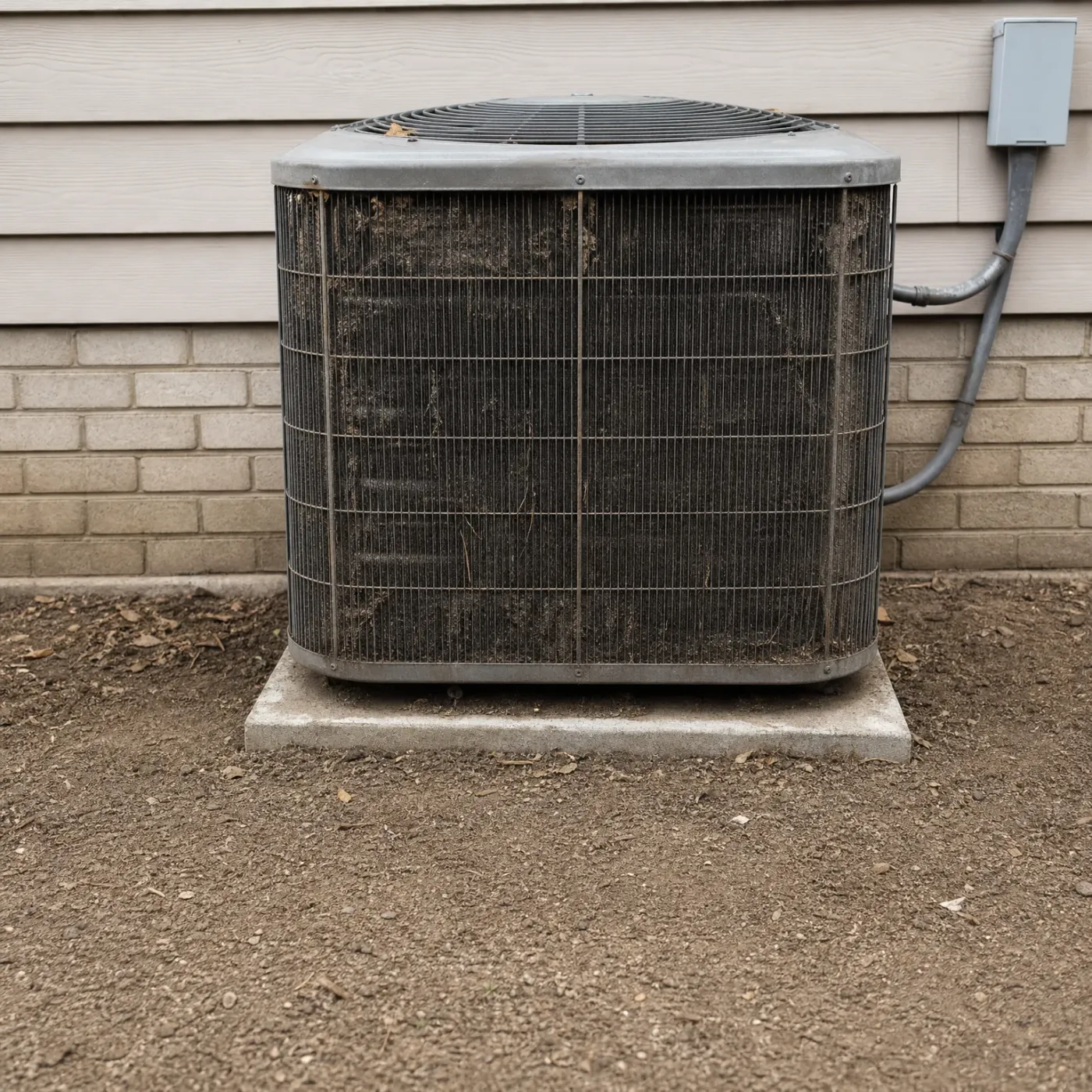
A dirty outdoor air conditioning condenser unit on a concrete pad beside a house wall with horizontal siding above a painted brick foundation, with a gray electrical disconnect box and conduit on the wall.
Before you get your air conditioner maintenance
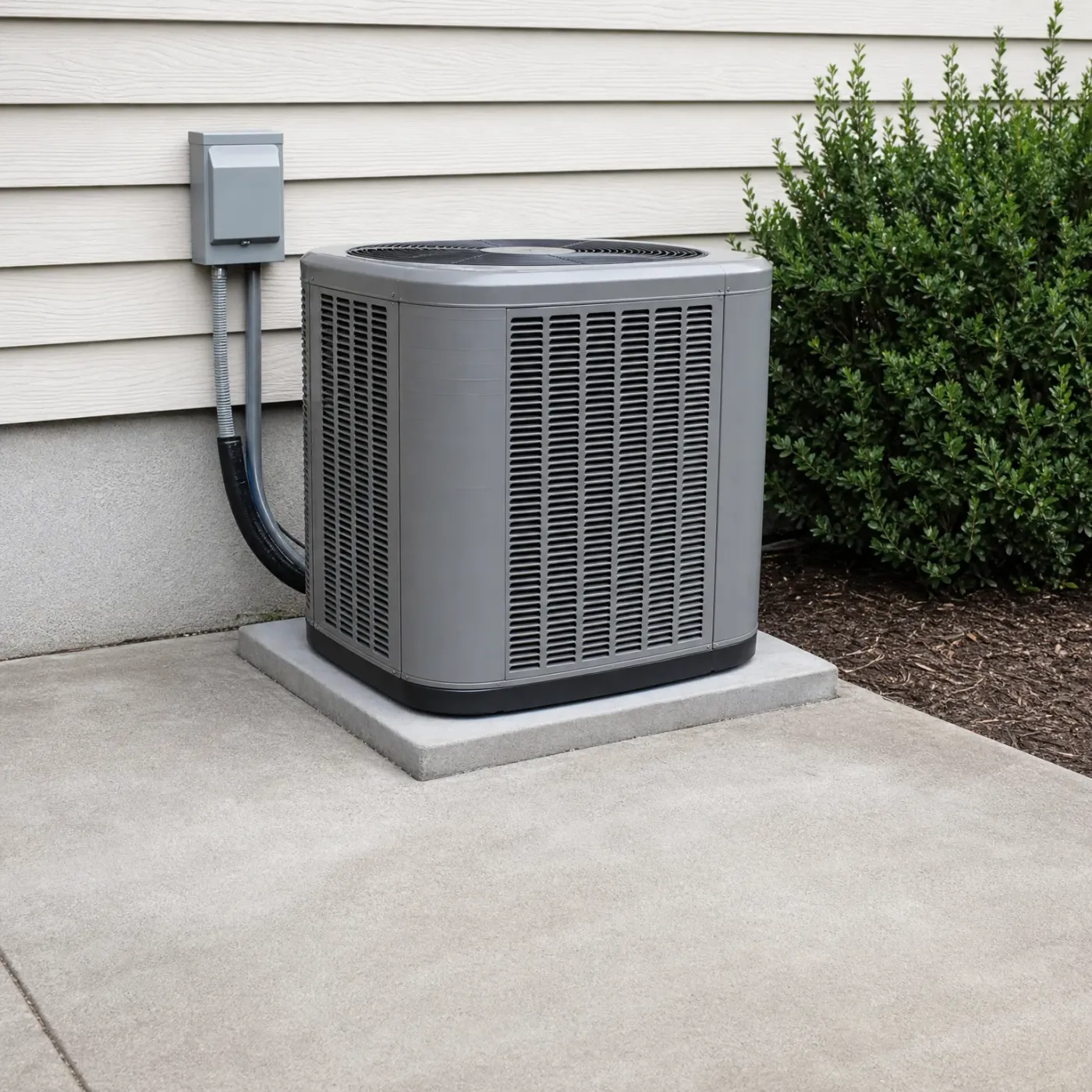
A gray outdoor air conditioning condenser unit on a concrete pad beside a house with horizontal lap siding, with a wall-mounted disconnect box and conduit to the left and a green shrub with mulch to the right.
After you get your air conditioner maintenance

What 78 Degrees Feels Like at Home

  • A house set at 78 degrees can still feel sticky if the indoor humidity sits above 55 percent.
  • An air conditioner that short cycles because it's set too low never runs long enough to pull real moisture out of the air.
  • Rooms farthest from the air handler often run a few degrees warmer, so the thermostat reading isn't what every room feels.
  • A system that's low on refrigerant or has a dirty coil will struggle to hit 78 even with the setting correct.
  • Humidity left in the house shows up as damp towels, foggy windows, and a musty smell in closets and basements.
  • Running the fan on auto rather than on lets the coil stay cold enough to keep wringing moisture out between cycles.

78 degrees on the thermostat does not always mean 78 degrees comfortable. If the air inside is holding more than 55 percent humidity, you will still feel damp, and the skin-crawl feeling people blame on temperature is usually moisture that never got pulled out of the air. That happens when the air conditioner cycles on and off too fast to do the slow work of drying the air, which is exactly what happens if the setting is pushed too low and the unit satisfies the thermostat before the coil has done its job. It also happens unevenly. The room with the thermostat might read 78 while the bedroom at the far end of the house runs warmer, because one sensor on one wall cannot speak for every room on the far side of the ducts. And if the system itself is behind, low on refrigerant or dragging a dirty coil, it can struggle to reach 78 at all, no matter how carefully you set it. You will see the result before you think to check the thermostat: foggy windows, a musty smell creeping into closets and the basement, towels that do not dry out overnight. None of that means the number is wrong. It often means the system is not getting the time or the condition it needs to wring the moisture out, which is where the fan setting and the condition of the equipment start to matter as much as the degree you pick.

A smiling woman with long brown hair in a cream sweater sits at a stone counter with a glass of red wine, with a dimly lit living room, beamed ceiling and glass doors behind her.
A woman with shoulder-length dark wavy hair in a beige sweater laughs while looking off to the side, seated at a white marble counter with a glass of red wine, in a dimly lit home interior with a kitchen and sofa in the background.
A smiling woman with long dark hair in a black sweater sits at a white marble counter with a glass of red wine, in a dimly lit kitchen and living area with pendant lights, a potted plant, and flowers.
A smiling woman with long brown hair in a light knit sweater sits at a stone-topped counter with a glass of white wine, with a dimly lit living room, sofa, fireplace and round mirror behind her.

Skip calling around

A licensed local pro takes the request for your air conditioner tune-up.

Sending the form costs nothing.

Why the set point isn't the whole story

Two houses can sit at the same 78 degrees and feel completely different. One feels dry and fine. The other feels damp and warm even though the thermostat says it's doing its job. The difference usually comes down to how long the air conditioner actually runs. A unit that cycles on and off in short bursts cools the air fast but never runs long enough to pull much moisture out of it. A unit that runs in longer, steady stretches does both jobs at once. The number on the wall is the same. What's happening in the ductwork isn't.
What a tune-up actually changes

A maintenance visit checks the refrigerant charge, the airflow across the coil, and the blower's condition, the three things that decide how long each cooling cycle runs and how much humidity comes out with it. A low charge or a dirty coil can make the system satisfy the thermostat quickly without ever running long enough to dehumidify the house. A contractor who services AC systems in Kansas all summer sees this pattern often, since the humidity here makes it show up faster than it would somewhere drier. Catching it early means you can keep the thermostat where you want it without the house feeling damp.

Power costs 14.44 cents per kilowatt-hour statewide

At 14.44 cents per kilowatt-hour, every degree you push your thermostat down costs you more to hold, especially when your air conditioner is also wringing moisture out of the air. A unit that's low on refrigerant or running a dirty coil works harder to hit that number, and you pay for it at that rate all summer.

EIA-861 2025 statewide residential average

A gray outdoor air conditioner condenser unit on a concrete pad beside a house with horizontal siding, with an electrical disconnect box and conduit on the wall behind it.

Running it at 78 all day

Some households keep the thermostat at 78 around the clock, whether anyone is home or not. The system cycles on and off all day to hold that number, which means it's always working but rarely running long enough in one stretch to pull much moisture out of the air. The house stays at the right temperature on paper, but a sticky, heavy feeling can still hang around in the afternoons when the outdoor humidity is highest.

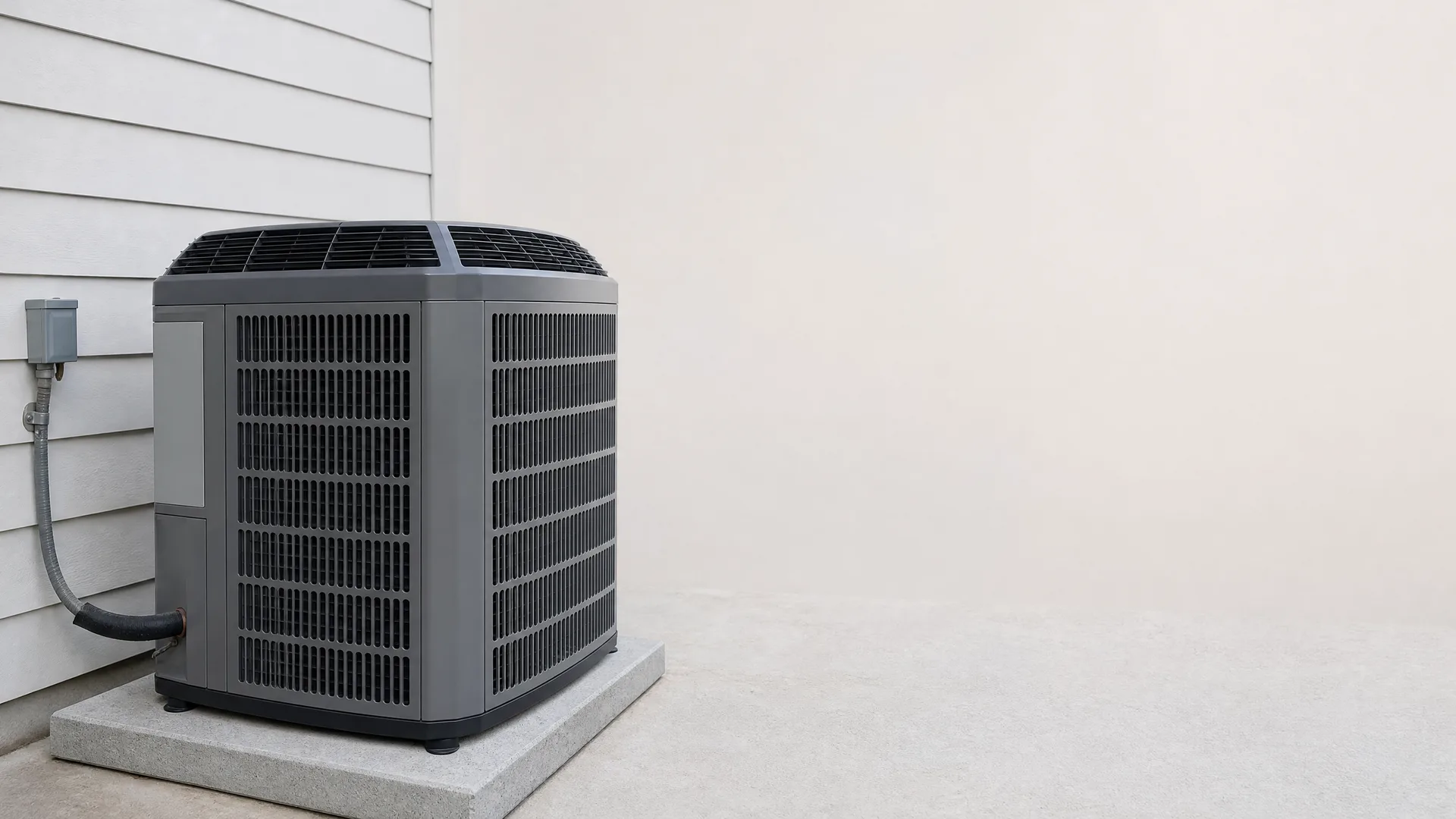
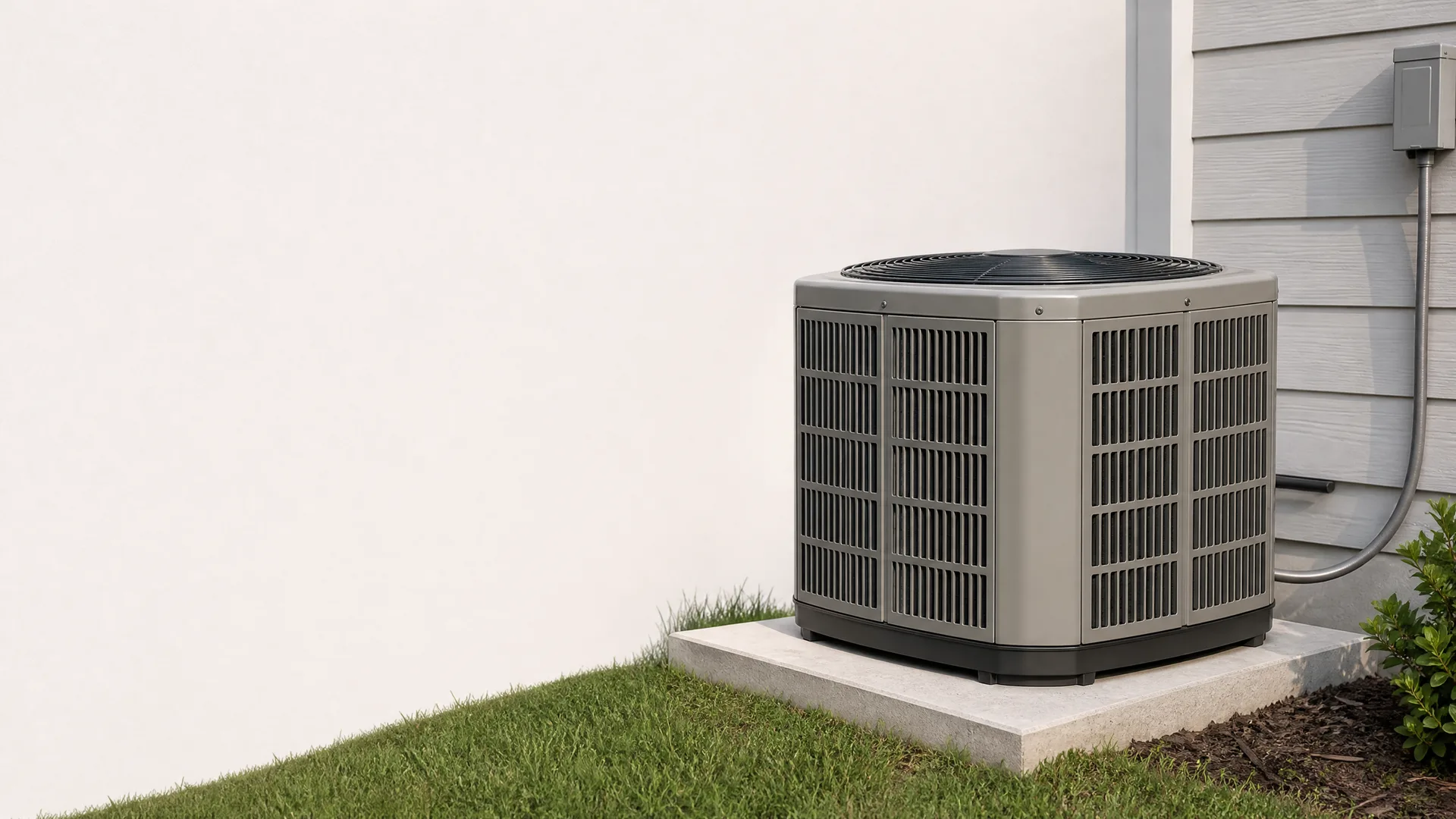
An outdoor air conditioner condenser unit on a concrete pad beside a house with horizontal lap siding, with a gray electrical disconnect box and conduit on the wall, grass in the foreground and a plain light wall at left.

Letting it rise when you're out

Other households set it higher during the day and bring it back down to 78 in the evening, when the house is occupied and comfort actually matters. The system gets a longer, steadier run when it does kick on, which does more for humidity than a lot of short cycles. The tradeoff is a warmer house for part of the day and a system that has to work to catch back up once someone sets it lower again in the evening.

A wooden table with a closed laptop, a ceramic mug of dark coffee, and a glass vase of eucalyptus stems beside a window, with a dark green kitchen cabinet, wooden counter, potted herb, cutting boards and bowl blurred in the background.

78 is the number, but the air has to cooperate

Set your thermostat to 78 when you're home, higher when you're out, and let the fan run on auto so moisture actually leaves the air instead of getting blown back in. Whether that number feels right in your house depends on things a thermostat can't see: a coil that's dirty, a refrigerant charge that's low, a fan setting left on the wrong mode. Maintenance is what catches those before they turn 78 degrees into a number that doesn't hold.

If your air conditioner hasn't had a maintenance visit this year, finding someone to look at it usually means searching around, calling a few places, explaining the same thing on the phone three or four times, then sitting with quotes trying to guess which one is fair. A licensed contractor near you who works on these systems all summer already knows what tends to fail in houses like yours, and you deal with one contractor instead of fielding calls from five.

A gray upholstered sofa with a textured cushion sits beside a dark round side table holding a vase of green foliage, with a table lamp and sheer-curtained window behind.
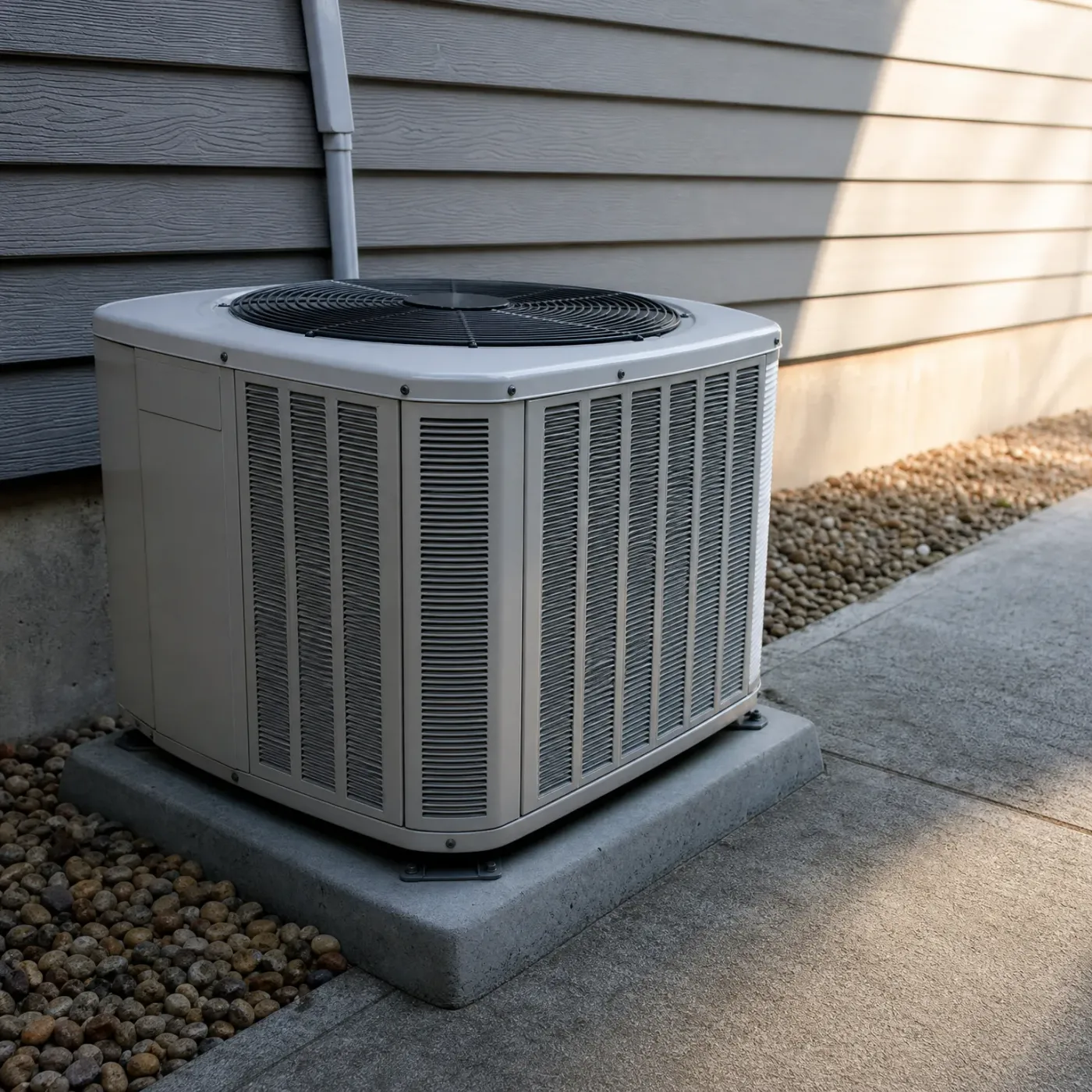
A beige outdoor air conditioner condenser unit with a top fan grille sits on a concrete pad beside a house with horizontal lap siding, bordered by gravel and a concrete walkway.

Describe it once

Start one form

Your request stays with one local pro.

You're not committing to anything by asking.