
Heat Pump Repair in Kansas
Across the counties where its people live, Kansas recorded more severe weather from 2015 to 2024 than 41 of the other 49 states.
Tell us about the job
Takes about a minute. No obligation.
- 23°Fwinter overnight low where people live
- 7 monthsof heat, October through April
- 88°Fsummer afternoon high where people live
- 5 monthsof cooling, May through September
Hail and wind hit heat pumps hard. Have yours checked if it took a hit.
- Southern counties need about 10% more cooling than northern ones
- Winter nights average 23°F where people live
- Summer afternoons average 88°F where people live
- Heat runs October through April
- Cooling runs May through September
- 1,144 winter storms from 2015 to 2024


Half the homes in Kansas were built in 1976 or earlier.
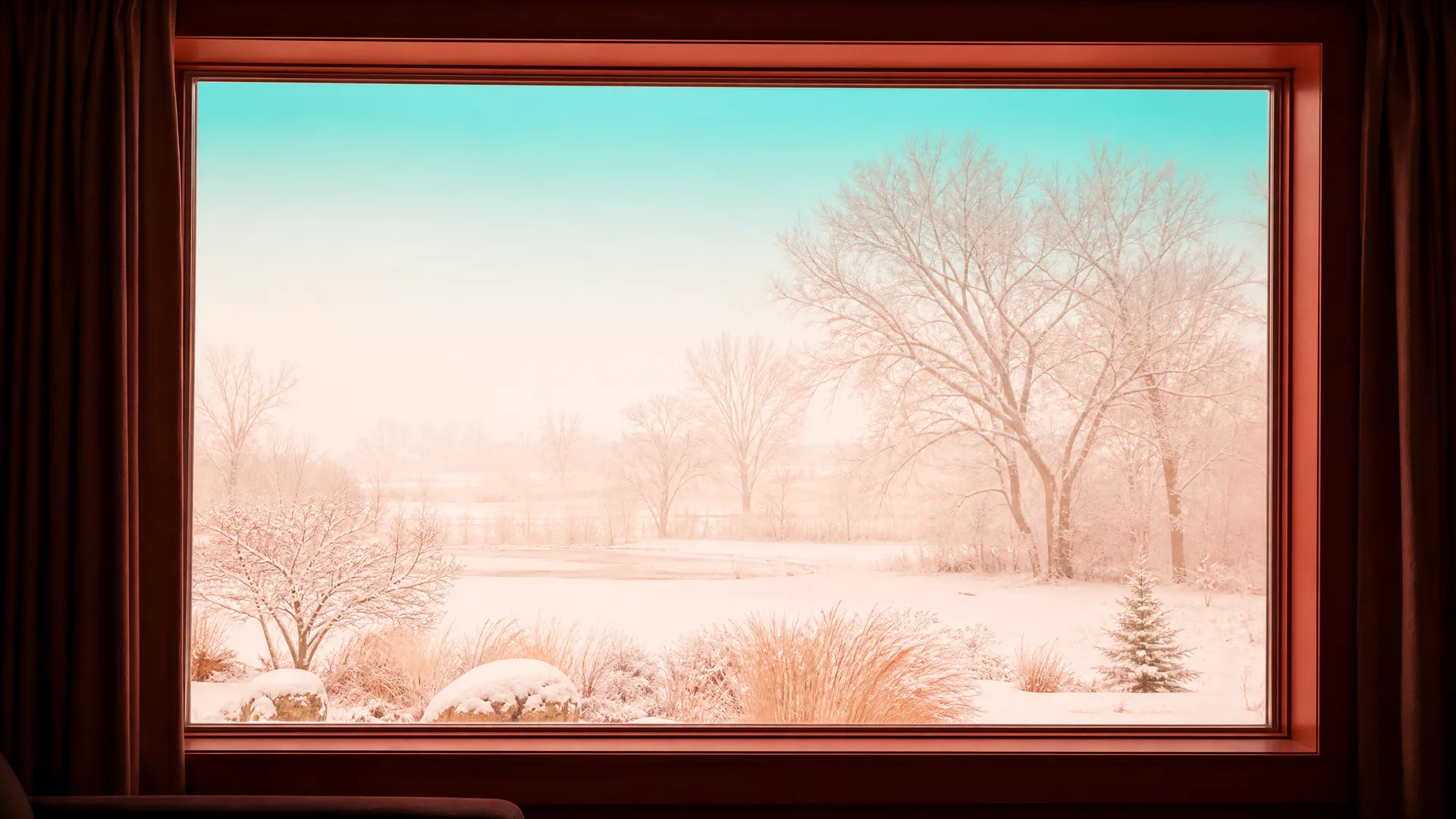
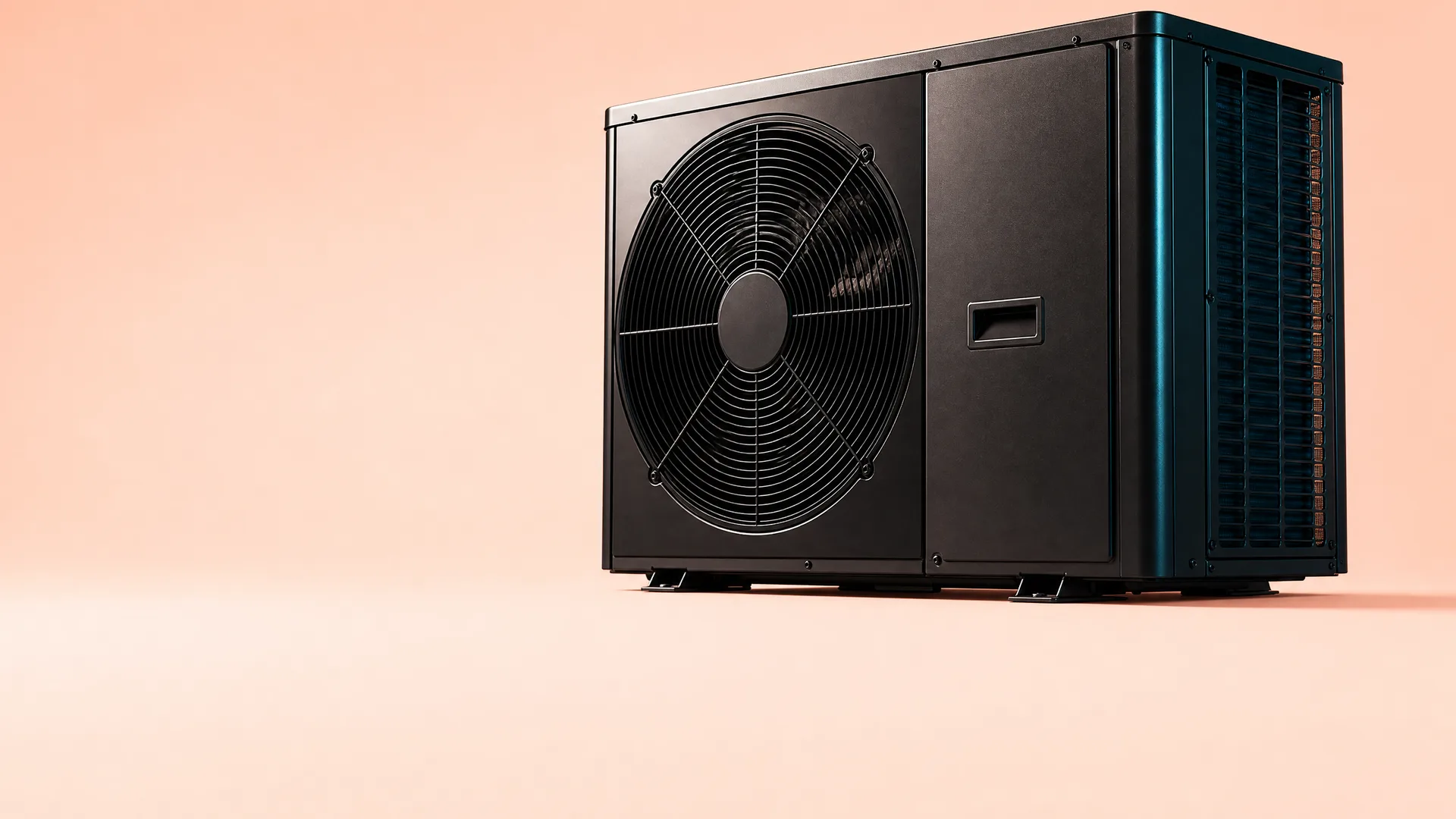
A heat pump in Kansas runs nearly year round. Heat from October through April, cooling from May through September, that leaves only a short stretch when the outdoor unit isn't working at all. That cabinet sits outside through every storm the state gets, built to handle normal wear. What it isn't built for is a direct hit from hail or a branch thrown by wind.
Kansas recorded 8,565 damaging wind events between 2015 and 2024, more than in most other states. Hail hit nearly as often. If your heat pump has been through one of those storms, a bent fin or a cracked panel might not look like much. It can still cut into airflow or let moisture where it doesn't belong, and that turns into a bigger repair later.
A heat pump here doesn't get much downtime
That same unit runs the heat all winter and the cooling all summer, with barely a break between. Most states give a heat pump a longer rest. Kansas doesn't. The compressor and the outdoor fan are working most months of the year, and parts that run that much wear down sooner than the manual assumes. A system that's been through a hard season is a good one to have looked at before it has to work again.
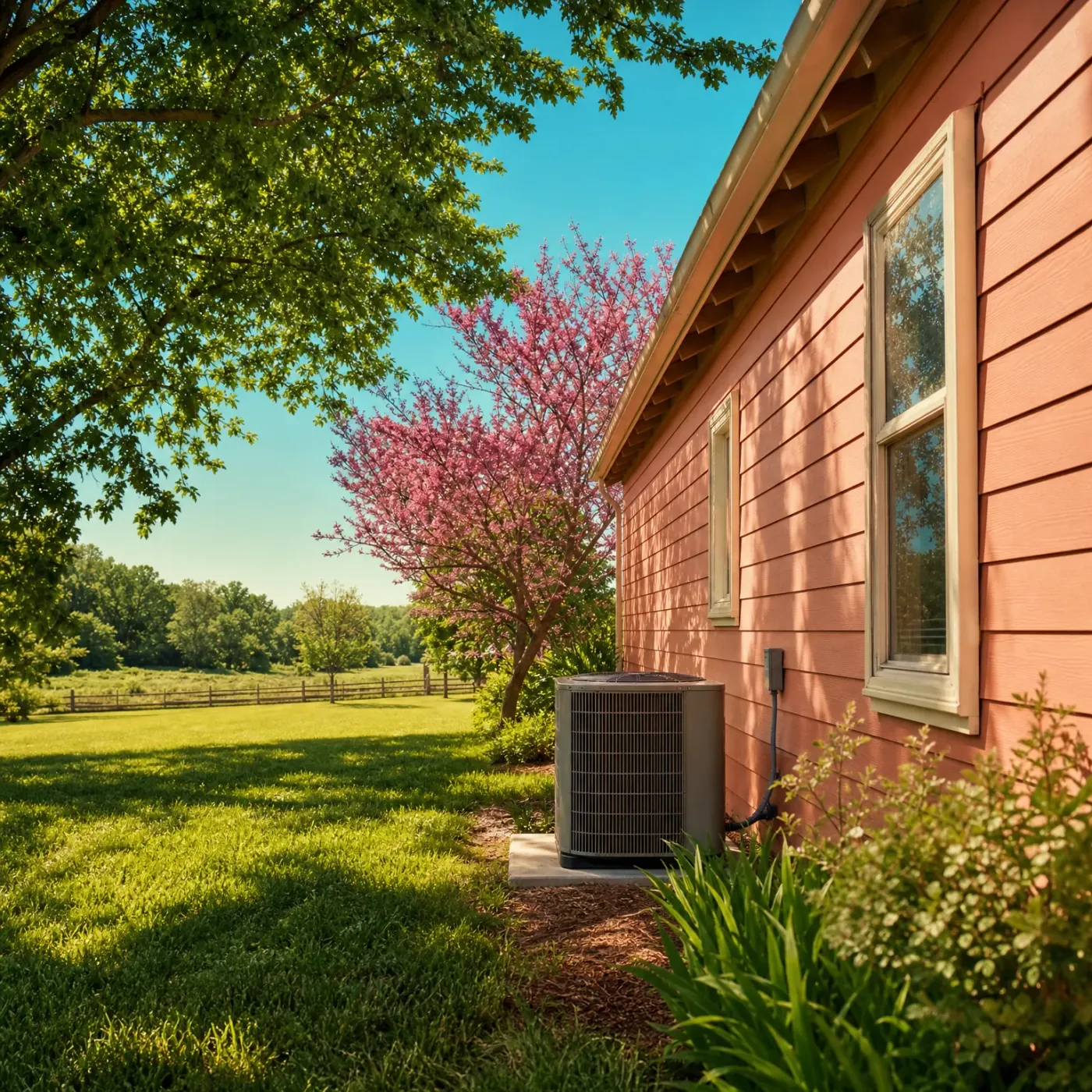
5 months of cooling, May through September
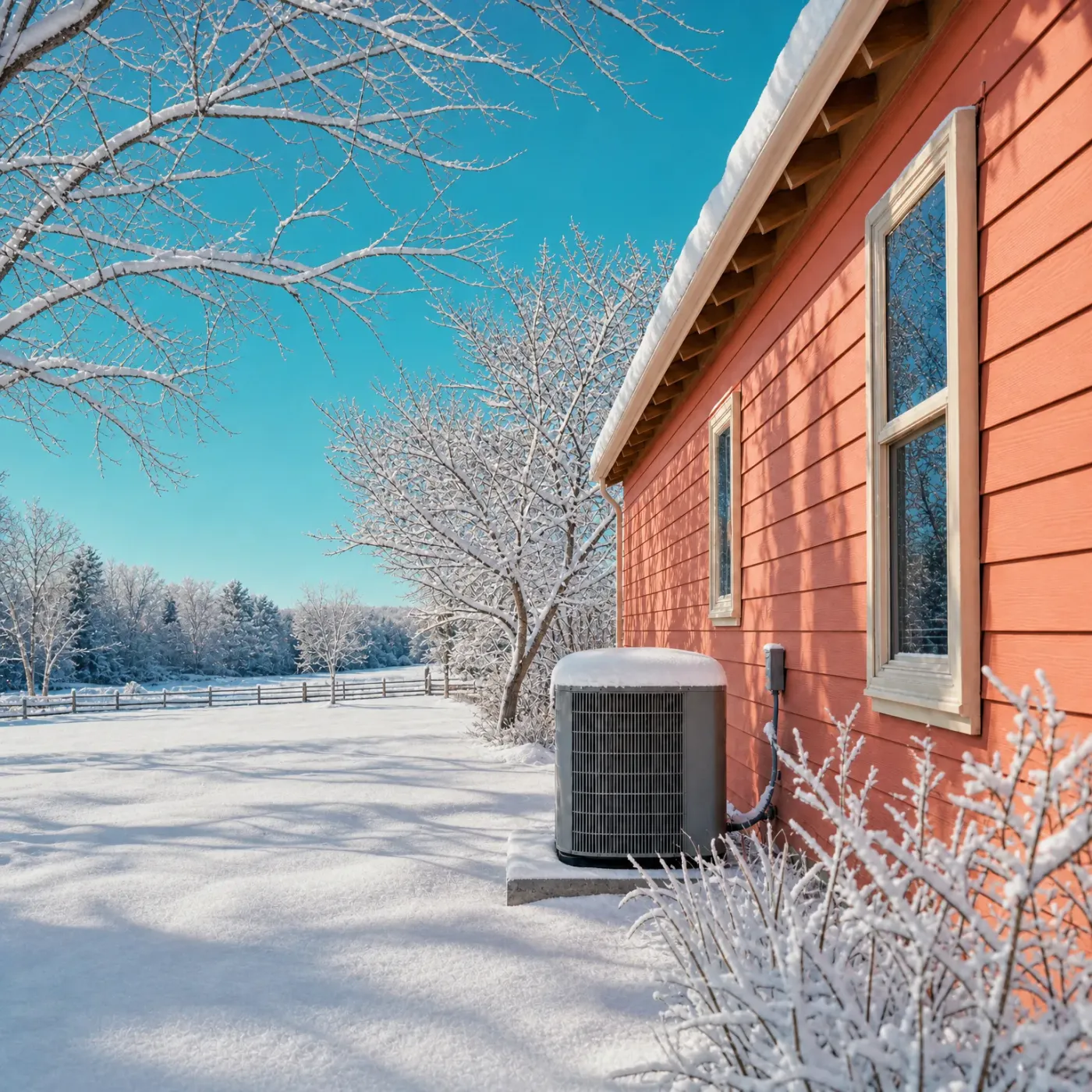
7 months of heat, October through April
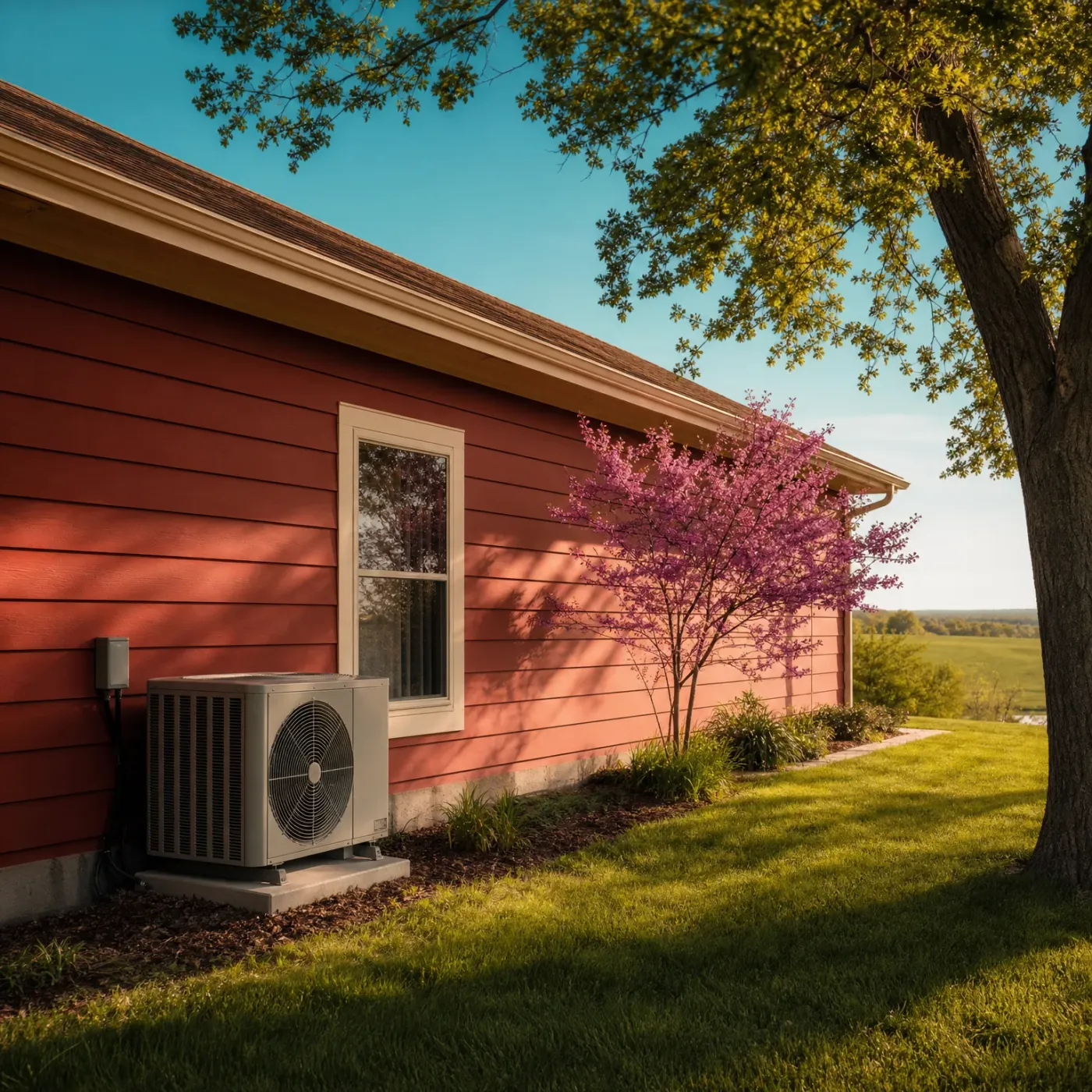
Where the unit sits in the state changes what it's been dealing with. Southern counties ask a heat pump for about 10% more cooling over a year than northern counties do, and Sumner County needs about 78% more cooling than Sherman County, which has the lowest cooling need in the state. If your heat pump is in Sumner or another southern county, the compressor has been working through more cooling load than one up north, and that's where to look first if cooling has gotten weak.
Heating runs the other way. Northern counties need more heat over a year than southern counties, and Sherman County needs about 39% more heat than Cherokee County, where heating need is lowest in the state. A heat pump working through more cold cycles into defrost more often, and that's extra wear on the reversing valve and the defrost control.
So a heat pump in Sherman County is leaning on its heating side most of the year, while one in Sumner County is leaning on cooling. That changes where a repair call should start, the compressor and charge for cooling complaints, or the defrost cycle and reversing valve for heating complaints.
What does a heat pump in Kansas face?
How hot do summer afternoons get?
88°Faverage afternoon high where people live
Alaska66°F
Arizona101°F
How cold do winter nights get?
23°Faverage overnight low where people live
North Dakota4°F
Hawaii65°F
How many months does the heat run?
7 monthsof heating a year
Hawaii0 months
Alaska12 months
What does electricity cost?
14.15¢per kWh (kilowatt hours, the unit on an electric bill), what homes paid in 2024
North Dakota11.51¢
Hawaii42.86¢
How often do storms hit?
311severe weather events per county from 2015 to 2024
Alaska5
Wyoming1,057
How many homes lost power for a day or more?
19%of homes in 2024
Arizona7%
Maine54%
What it costs to keep running
Electricity here runs 14.15 cents per kilowatt-hour, cheaper than in most states. That helps, because a heat pump that barely shuts off still has to be paid for. Kansas homes that use air conditioning put an average of 8.8 million Btu (British thermal units, a measure of heat) into cooling a year. None of that is unusual for the machine. It's a normal amount of running, at a normal rate, and the cost only gets out of line when something's wrong with the unit itself. A heat pump pulling more power than it used to, or cycling on and off more than it should, is worth having checked before it runs through another season like that.
What a failing heat pump sounds and feels like
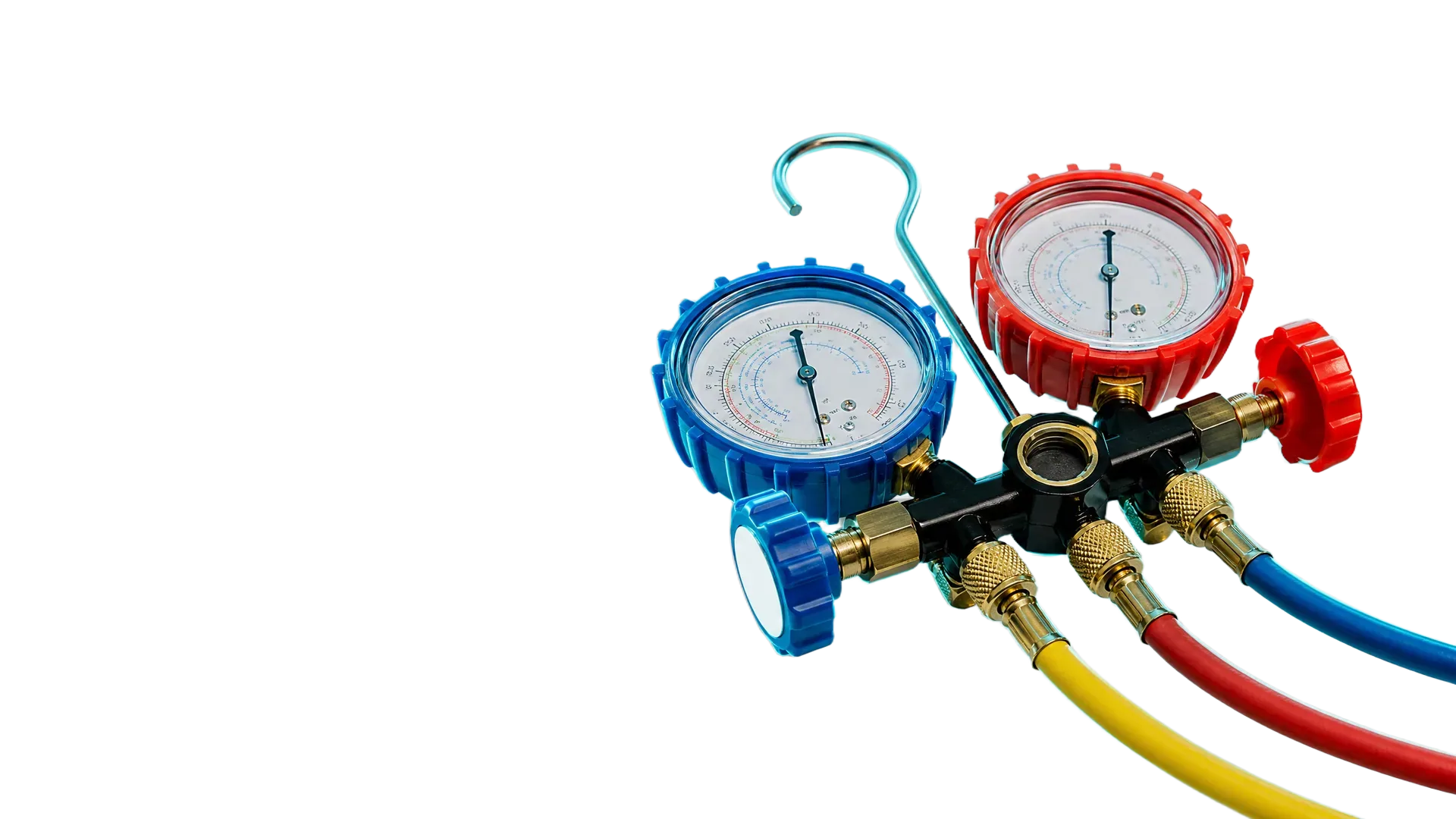
A heat pump in trouble usually tells you before it quits outright. Air coming from the vents that feels lukewarm instead of hot, or not quite cool, even though the system is running the whole time. Short cycling is another one, where it kicks on, runs a short while, and shuts off before finishing a normal cycle. That wears on the compressor, and it usually traces back to a bad charge or a thermostat sending it wrong information. Ice on the outdoor unit that doesn't clear between defrost cycles means the reversing valve or the defrost control isn't doing its job. Listen to it as well. A hum with no fan movement points to a failed capacitor. Grinding or screeching from the outdoor unit usually means a bearing is going. Clicking that repeats without the system ever starting is often a relay or control board not sending power where it should. If the unit runs constantly and the house still isn't getting to temperature, that's not one to sit on. It means the system is losing refrigerant or losing its grip on the heat exchange it's supposed to be doing.
When the storm passes
Sedgwick County has the heaviest storm record in the state, 620 events between 2015 and 2024. Tornadoes have touched down across Kansas too, and the strongest one recorded in the state between 2015 and 2024 rated EF4. A hit like that doesn't have to be direct to matter. Flying debris from a strike nearby can dent a cabinet or crack a fan blade just the same. And when the storm knocks out power instead, a heat pump that was mid-cycle when it lost power should come back on its own once power is restored. If it doesn't, that's worth a call, not a wait.
Kansas storms leave dents and cracks that are easy to miss, and worth having checked.
Tell us about the job
Takes about a minute. No obligation.
Fill out the form and a licensed contractor who works on heat pumps in Kansas will reach out.