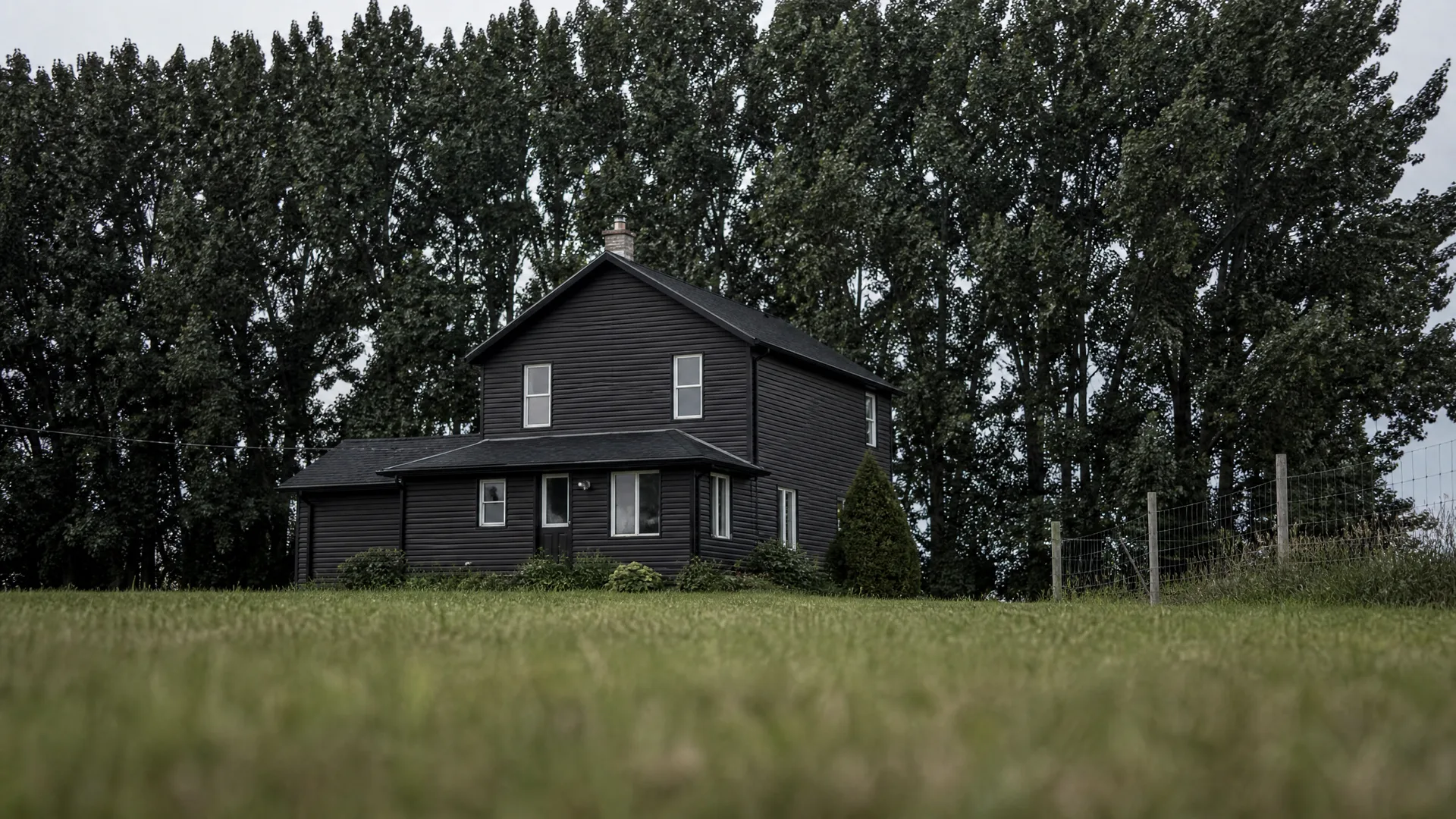
A two-storey black-clad house with a chimney stands in front of a row of tall deciduous trees, viewed low across a blurred grassy lawn under an overcast sky, with a wire fence to the right.

Heat Pump Repair in Coffeyville, KS

Tell us about the job

Takes about a minute. No obligation.

RepairHeat PumpMontgomery County, KS
Step 1 of 2

What ZIP code is the job in?

Half the homes here are from 1958 or earlier

That's the midpoint for Montgomery County. A heat pump matched to a house that old has usually been through at least one replacement already, sometimes more, and whatever is running now has its own clock separate from the house.


What that means for a repair call

A heat pump nearing the end of its life can still break down in small, fixable ways. Before paying for the repair, it's worth asking the contractor how many years are likely left in the unit, so the money goes where it will last.

7 months
October through April, your system heats
5 months
May through September, it cools
26°F
the average winter night it heats against
89°F
the average summer afternoon it cools against
Isometric line illustration of a cutaway house showing interior rooms with furniture, ceiling ductwork, and an outdoor condenser unit connected by lines along the exterior wall.
Your system heats October through April and cools May through September.

NOAA nClimDiv, 1991–2020 normals

A Coffeyville summer keeps a heat pump running for months without much of a break.

That kind of steady demand is usually what's behind a breakdown, not a one-time fluke.

This county sees more hail and wind than most, and outdoor units take the hit

174 severe weather events from 2015 to 2024
19% of homes statewide lost power a day or more in 2024
100 damaging wind events from 2015 to 2024
October Is When a Weak Heat Pump Shows Its HandHeat runs here from October through April, and the first cold mornings put the load on whatever was already wearing thin.

If the outdoor unit has been through a hailstorm or taken a hit from flying debris, don't wait for it to act up before getting it looked at. Bent fins or a cracked fan blade can run fine for weeks before the real trouble shows up, usually on the coldest or hottest day of the year when it matters most. A contractor can check the coil, the fan, and the refrigerant lines for damage that isn't obvious from across the yard. That's a short visit, and it settles the question either way.

Find the Real Cause, So the Fix Holds

Steady running wears a heat pump down a little at a time, and that's usually what's behind a breakdown here, not a one-time fluke. A proper diagnosis finds the actual cause instead of just quieting the symptom, so the repair holds.

Find a contractor
A man in a dark jacket, tan pants and a cap, seen from behind, carries a worn canvas tool bag up wooden porch steps toward a red front door.
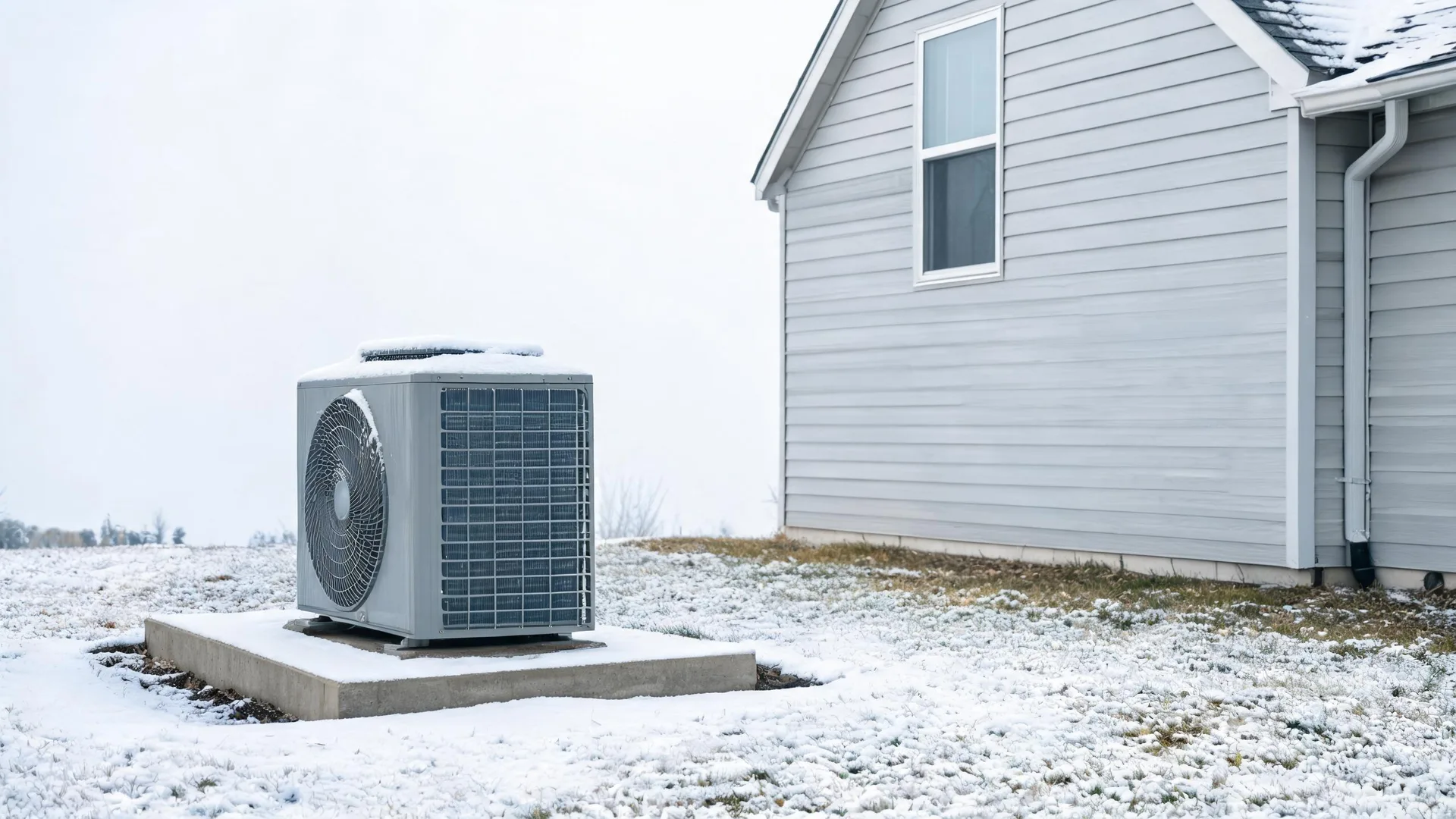
A gray heat pump outdoor unit mounted on a concrete pad next to a residential house with lap siding and stone accents.

Ask What's Left Before You Pay for the Repair

The unit outside has no idea how old the house is. What matters now is how many years are left on the unit itself, and that's a straight question to put to the contractor before any repair gets paid for. A number like two years left changes the math on a big repair. A number like ten changes it back. Either way, it's worth asking before the work starts, not after.

A Small Problem Rarely Stays Small

A heat pump that's low on refrigerant will keep running, but the compressor has to work harder to move heat with less of it. Run it that way long enough and the compressor itself takes the damage, which turns a refrigerant leak into a compressor replacement. The same goes for a struggling capacitor. It can limp along for weeks before it fails outright, and every hour the motor runs on a weak capacitor is wear that motor didn't need.

Ice and Strain Build on Each Other

When a heat pump can't complete a normal defrost cycle, frost builds on the outdoor coil instead of melting off. A thin layer of frost barely affects anything. A thick layer blocks airflow across the coil, so the system pulls harder to do the same job, and that extra strain is what pushes a failing part the rest of the way to broken. The longer it runs in that state, the more parts are sharing the damage by the time someone gets a look at it.

A heat pump that needs a repair call usually tells on itself before it quits outright. Warm air blowing when it should feel hot, or cool air that isn't quite cool, means it's struggling to move heat rather than failing to. Short cycling, where it kicks on and off every few minutes instead of running a full cycle, puts wear on the compressor every time it restarts. A hissing sound near the lines or ice on the outdoor unit outside of a normal defrost points to refrigerant trouble. Higher bills with no other explanation often mean the system is running longer to do the same job it used to do quickly. Any of these is worth a call before the part it's straining actually breaks.

A diagnostic visit starts with questions. What's it doing, when did it start, and does it happen in heat mode, cool mode, or both. From there the contractor checks pressures and temperatures at the unit, since those numbers say more about what's wrong than the sound it's making or how old it is. They'll check the refrigerant charge, look at the reversing valve, and test the capacitor and contactor, since those are the parts that take the most wear from constant cycling. Airflow gets checked too, both at the outdoor coil and at the return, because weak airflow can mimic a refrigerant problem and send someone chasing the wrong fix. Most of this is done with gauges and a meter, not guesswork. By the end, the contractor should be able to point to the actual part that's failing and explain what let it get that far.