
AC Maintenance in Kansas
Across the counties where its people live, Kansas recorded more severe weather from 2015 to 2024 than 41 of the other 49 states.
Tell us about the job
Takes about a minute. No obligation.
- 88°Fsummer afternoon high where people live
- 5 monthsof cooling, May through September
- 14.15¢ per kWhwhat homes paid for power in 2024 (kWh means kilowatt hours, the unit on an electric bill)
- 7,724hail events from 2015 to 2024
Hail and wind take a toll outdoors In storm seasons across Kansas
- Southern counties need about 10% more cooling than northern ones
- Summer afternoons average 88°F where people live
- Cooling runs May through September
- 7,724 hail events from 2015 to 2024
- 8,565 damaging wind events from 2015 to 2024
- 19% of homes lost power a day or more in 2024


Older homes mean older systems
Half the houses in Kansas went up in 1976 or earlier. Most homes here are detached single-family houses, the kind where the same outdoor unit and ductwork often stay in place for years between replacements. Even where the air conditioner itself has been swapped out, it still ties into ductwork and a thermostat setup from whenever the house was built. A yearly check gets someone looking at those connections before one of them fails on a hot day. On a system that's been running for years, a tune-up is how a weak capacitor or a clogged coil gets caught before it turns into a dead compressor.

A dirty filter is where most of this starts. Airflow drops, the evaporator coil gets colder than it should, and moisture in the air starts freezing on it instead of draining away. Once ice builds up on the coil, it blocks even more air, and the system ends up running long cycles to move heat it can barely reach. Left alone long enough, that ice can back up into the compressor, and a compressor is not something that gets repaired. A tune-up includes swapping or washing the filter and checking that the coil is clean enough to do its job.
The refrigerant charge is supposed to stay the same for the life of the system. It doesn't get used up. If it's low, there's a leak somewhere in the line set or the coil, and the system will keep running on whatever charge is left, just worse each month. Low refrigerant makes the compressor work harder to move heat, and heat builds up inside it that it was never designed to handle. A tech checking the charge every year catches that drop early, while it's still a leak to find and seal rather than a compressor that burned itself out trying to keep up.
April is the month to get it looked at
Cooling runs May through September here, about five months, longer than in most states. May is when it starts working hard, so April is when a tech should already be through the checklist. That's also before the calls stack up once the heat sets in and everyone wants someone out the same week.
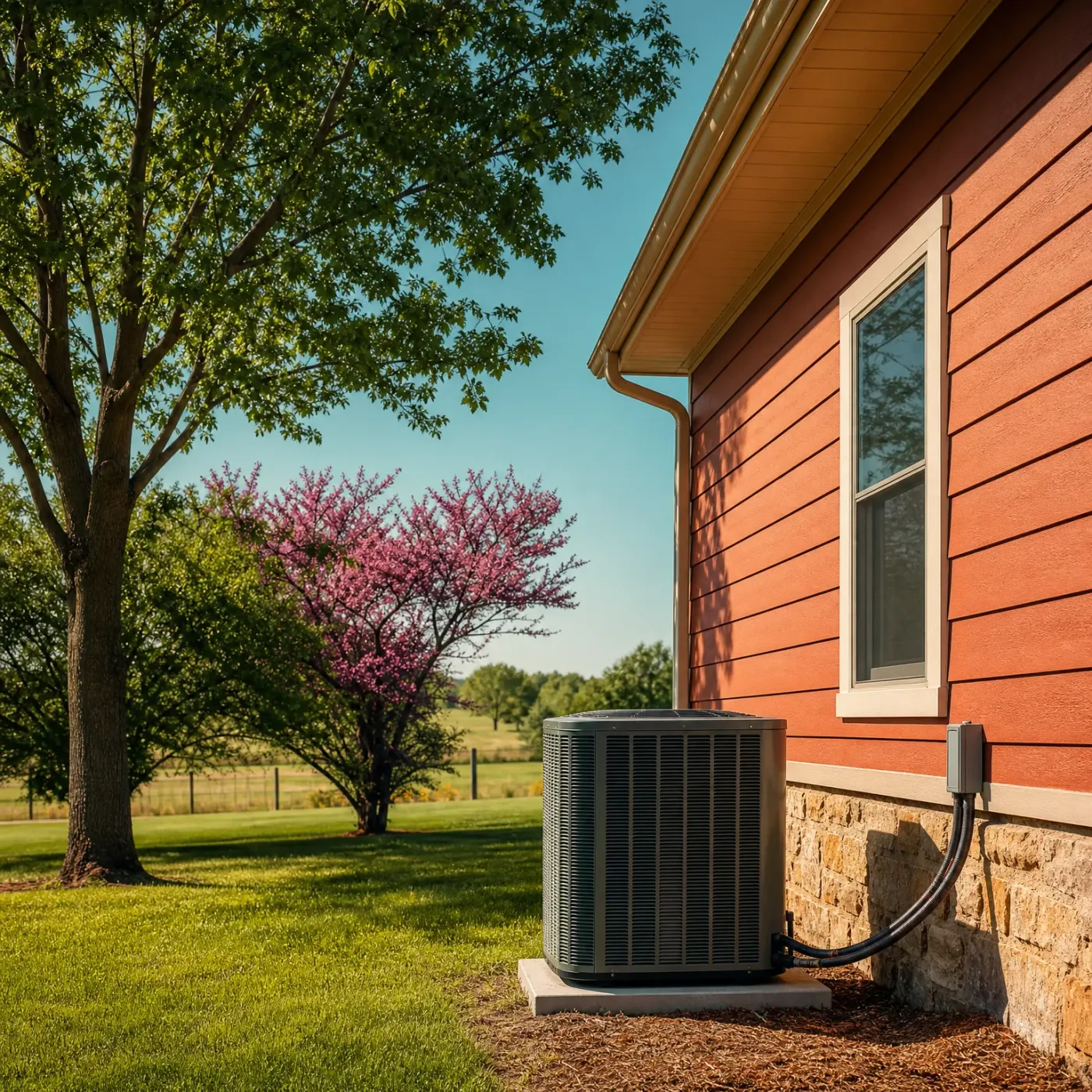
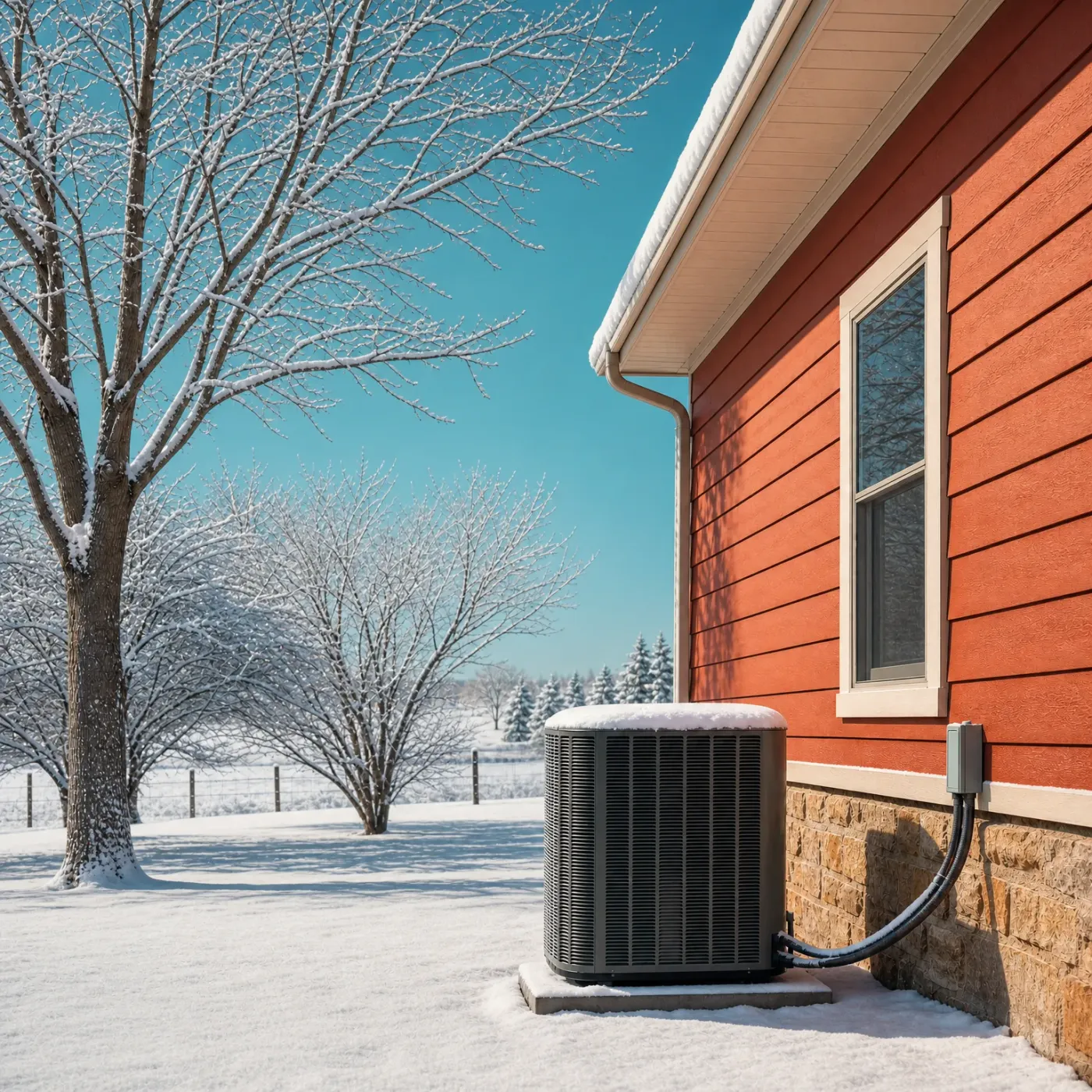
5 months of cooling, May through September
7 months of heat, October through April
What does an AC in Kansas face?
How hot do summer afternoons get?
88°Faverage afternoon high where people live
Alaska66°F
Arizona101°F
How many months does the cooling run?
5 monthsof cooling a year
Alaska0 months
Hawaii12 months
What does electricity cost?
14.15¢per kWh, what homes paid in 2024
North Dakota11.51¢
Hawaii42.86¢
How often do storms hit?
311severe weather events per county from 2015 to 2024
Alaska5
Wyoming1,057
How many homes lost power for a day or more?
19%of homes in 2024
Arizona7%
Maine54%
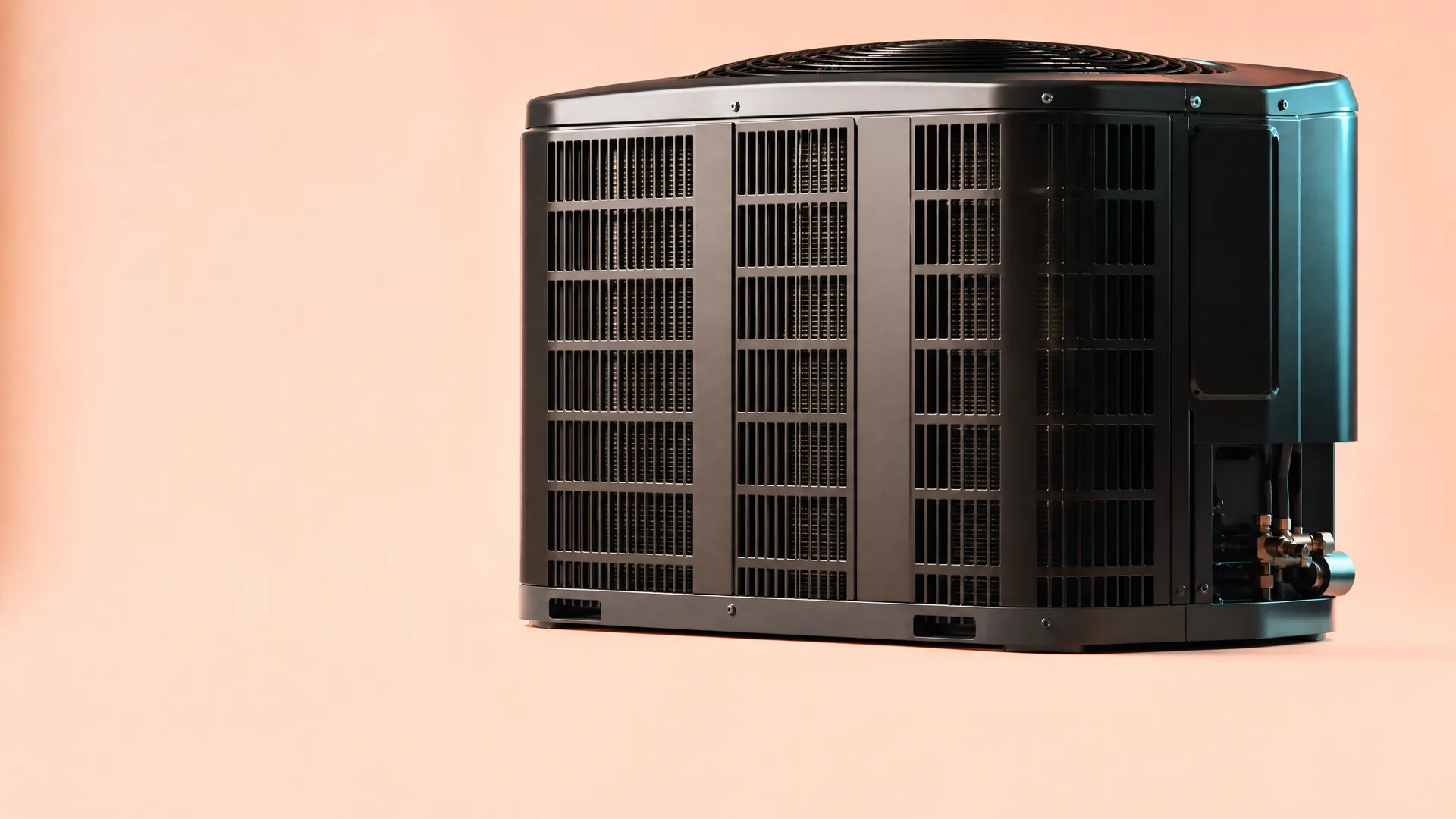
The outdoor unit takes the weather so the house doesn't
Summer afternoons here average 88 degrees, and the unit outside is what keeps that heat out of the house for five months straight. Hail and wind are part of that same stretch, not separate from it. A storm that bends the fins on the outdoor coil won't stop the system from running, but it will make it work harder to move the same amount of heat, and that strain lands on the compressor. A tune-up includes straightening or checking those fins and looking over the cabinet and wiring for anything a storm knocked loose, before the unit spends the next five months compensating for it.
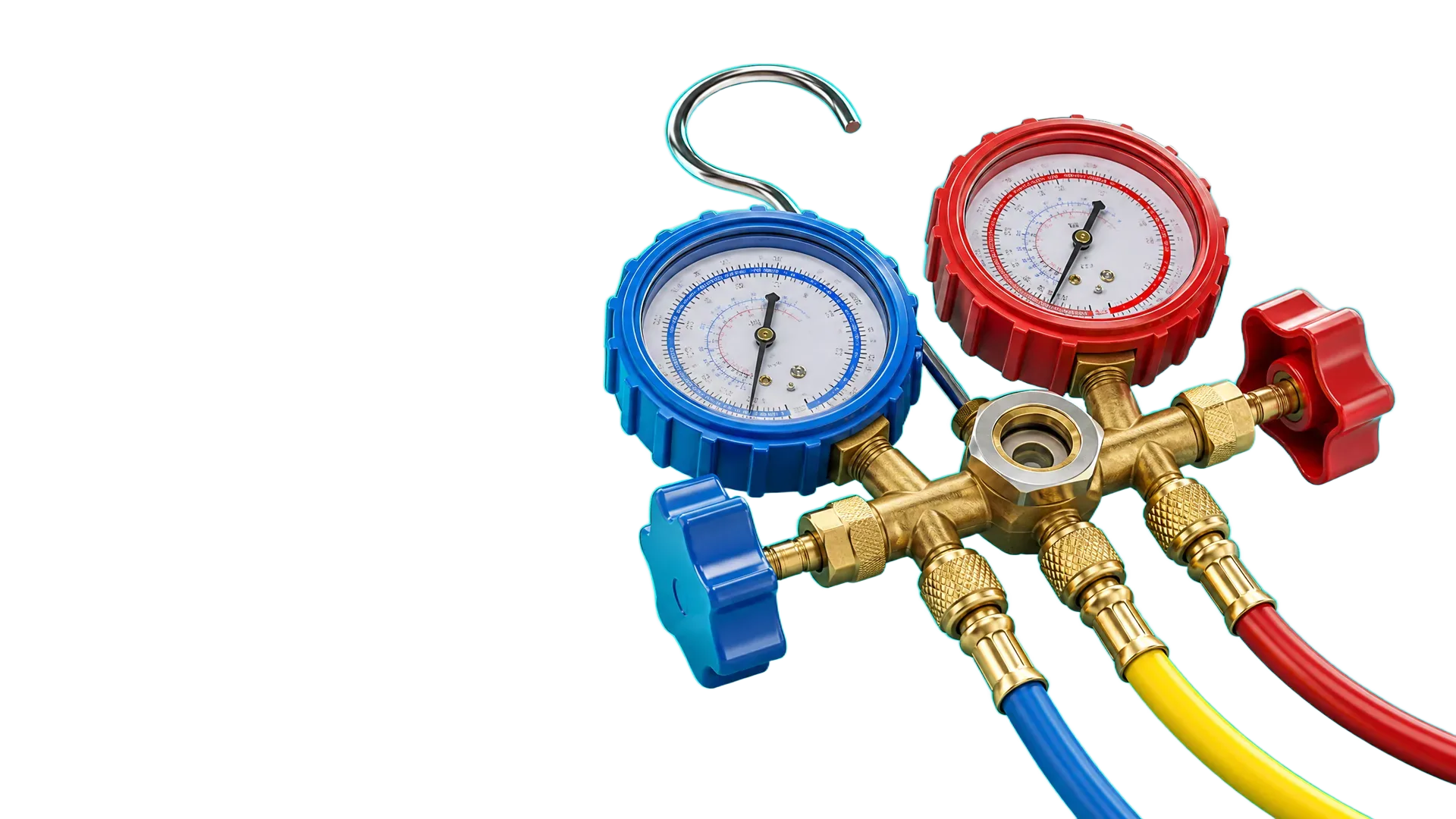
What you can check yourself
Between visits, the filter is the one thing worth your attention. Check it every month the system is running, and change it when it looks gray and matted instead of clean. Hold it up to a light if you're not sure. A filter you can't see light through is choking the airflow, and everything downstream of it, the coil, the compressor, works harder because of it. Outside, keep the area around the unit clear. Grass clippings, leaves, and anything piled against the cabinet block the airflow it needs to shed heat. A hose can rinse dirt off the fins from the inside out, gently, without a pressure washer that would bend them. Inside, look at the vents and make sure furniture or rugs aren't covering them. Keep an eye on the thermostat too. If the system is running long cycles and the house still isn't cooling down, or you notice ice on the indoor coil or the line running to the outdoor unit, that's not something to wait out. Turn the system off so the ice can melt and call someone before it runs that way again.
What a real tune-up actually covers
A quick visit usually means someone checks the refrigerant pressure, glances at the outdoor unit, and leaves. A thorough one checks the whole path air and refrigerant take through the system. That means pulling the panel and checking amp draw on the compressor and fan motor, not just listening for a bad sound. It means checking capacitor readings against what's printed on the part, since a capacitor can test weak long before it fails outright. It means checking the temperature of the air coming out of the vents against the air going in, which says more about how well the system is actually cooling than the pressure gauge alone. A thorough tech also checks the condensate drain, since a clogged one backs up and can shut the system down or damage a ceiling below it. They check the contactor for pitting, tighten electrical connections that work loose from vibration over time, and check that the blower wheel is clean, since a dirty one cuts airflow the same way a dirty filter does. None of this takes much longer than a quick check of pressure and temperature. The difference is whether the parts that quietly cause a breakdown get looked at before they fail, or only after.
Hail and high wind move through Kansas most years, and the outdoor unit takes the hit.
Tell us about the job
Takes about a minute. No obligation.
Fill out the form once, and a licensed contractor checks it over before summer puts it to work.