This county gets hit
Johnson County logged 367 severe weather events between 2015 and 2024. That includes 179 damaging wind events, 170 hail events and 9 tornadoes.
Takes about a minute. No obligation.
Johnson County logged 367 severe weather events between 2015 and 2024. That includes 179 damaging wind events, 170 hail events and 9 tornadoes.
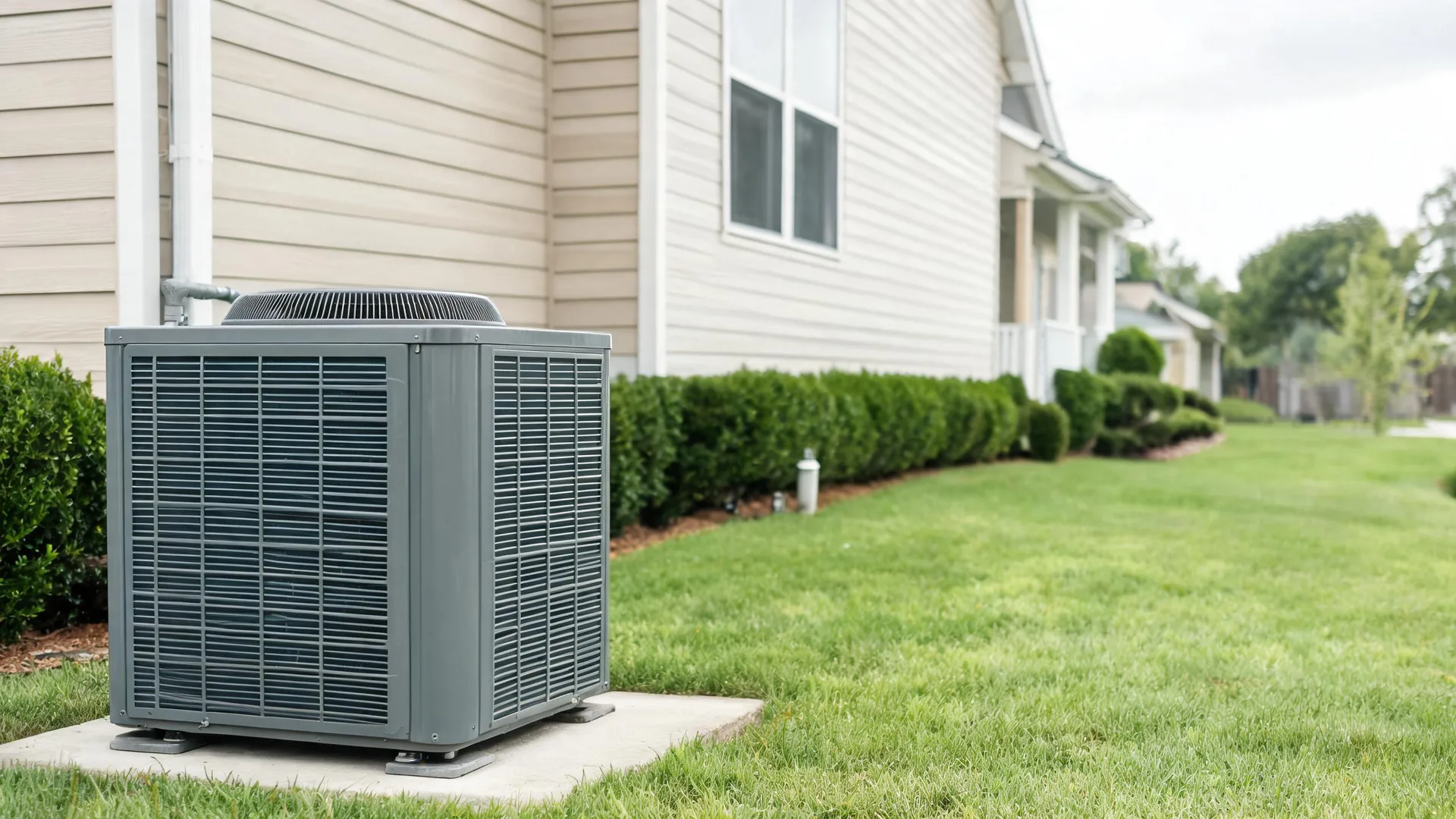
The condenser sits outside with no cover from wind or hail. A storm can bend the fins, crack the fan blades or leave branches and leaves packed inside the cabinet where you won't see them.

NOAA nClimDiv, 1991–2020 normals
Cooling in Johnson County starts in May and runs through September.
April is the month to get the AC checked, before it has to run.



Five months of cooling is a long stretch to ask of one machine. Afternoon highs average 87°F through June, July and August, and the dew point sits around 65°F, so the unit is working against heat and heavy air most of the summer. That load adds up faster than it does somewhere milder. A capacitor or contactor that has been weakening all season tends to give out on the day it is hardest to replace, not before. Checking it before the heat sets in catches that part while it still works.
A technician can check the condenser for bent fins, cracked blades or debris packed in the cabinet before it has to run hard all summer. Catching that now, instead of after the next storm rolls through, is the easier fix.
Find a contractorIf the system came with the house, there's a decent chance it's not old. A yearly checkup on a newer unit is cheap insurance: the technician can catch a part that's wearing wrong before it becomes a breakdown, and keep the unit running the way it was built to for more of its life. That matters more here, where it has months of hard running ahead of it each summer.
A unit that's about to need a repair doesn't usually quit outright. It runs longer than it used to before the house cools down. It cycles on and off more than it should. The air coming out of the vents feels less cold than it did. A faint musty smell means the coil or the drain line needs attention. None of these stop the system from running, so they get ignored until the day it doesn't start at all.
The refrigerant charge, the electrical connections, the condition of the coil: none of that shows up from across the room. A technician checks the capacitor's readings against what they should be, looks at the contactor for pitting, and clears anything blocking airflow through the coil. A part can look fine and still be close to failing. That's the kind of problem a checkup finds before it finds you.
A tune-up checks the refrigerant charge, cleans the coils, tests the capacitor and tightens the electrical connections.
A tune-up starts outside at the condenser. The technician checks the refrigerant charge against what the manufacturer specs, since too much or too little makes the compressor work harder than it should. The coil gets cleaned, because a coil caked with dirt and grass clippings can't shed heat the way it needs to. Inside, the evaporator coil and drain line get checked too, since a clogged drain backs up and overflows into the house. The capacitor and contactor get tested under load, not just looked at, because a capacitor can read fine sitting still and still fail the moment the compressor tries to start. The blower wheel and the airflow across the coil get checked as well, because weak airflow makes the coil run colder than it should, and that leads to icing. None of this is guesswork. It's a list of the specific ways this machine tends to fail, checked before any of them do.