
AC Repair in Kansas
Across the counties where its people live, Kansas recorded more severe weather from 2015 to 2024 than 41 of the other 49 states.
Tell us about the job
Takes about a minute. No obligation.
- 88°Fsummer afternoon high where people live
- 5 monthsof cooling, May through September
- 14.15¢ per kWhwhat homes paid for power in 2024 (kWh means kilowatt hours, the unit on an electric bill)
- 7,724hail events from 2015 to 2024
Hail and wind take a toll here. Sedgwick County sees the worst of it.
- Southern counties need about 10% more cooling than northern ones
- Summer afternoons average 88°F where people live
- Cooling runs May through September
- 7,724 hail events from 2015 to 2024
- 8,565 damaging wind events from 2015 to 2024
- 19% of homes lost power a day or more in 2024


- Cold air moving through the vents again, instead of air that's barely cooler than the room
- A compressor that kicks on and runs without tripping the breaker or humming and stalling out
- Airflow restored at the register, not just a weak trickle coming through
- The warm smell or musty odor some units throw off when a coil or drain line is fouled, gone
- A thermostat that actually gets the house to the set temperature instead of running short of it

A refrigerant leak is a good example of a small problem that turns into a big one. Run the system low on charge and the compressor works harder to move what refrigerant is left, building up heat it can't shed. Keep that up long enough and you can cook the compressor windings or score the internal parts, and at that point you're replacing the compressor instead of patching a line. The leak doesn't fix itself by running the unit more. It just buys time at the compressor's expense.
A dirty coil or a weak airflow problem works the same way. When the evaporator coil can't pull heat out of the air the way it should, the refrigerant inside it can stay too cold and the coil frosts over. Keep the system running with ice on the coil and airflow drops even further, which makes the frost worse, and the compressor ends up pulling liquid refrigerant back toward it instead of vapor. That's how a dirty filter or a failing blower turns into a compressor repair instead of a cleaning.
Five months of cooling, and the first weeks are when it breaks
AC here runs May through September, five months total. That's longer than most states need, more than 34 of them. April is the month to get the system checked, before it has to work. A capacitor that's gone weak or a system that's lost some charge can sit fine all winter and fail in the first stretch of real heat, because that's the first time anything's asked of it. Catching that in April means a part gets swapped on a slow day instead of the first hot week of summer.
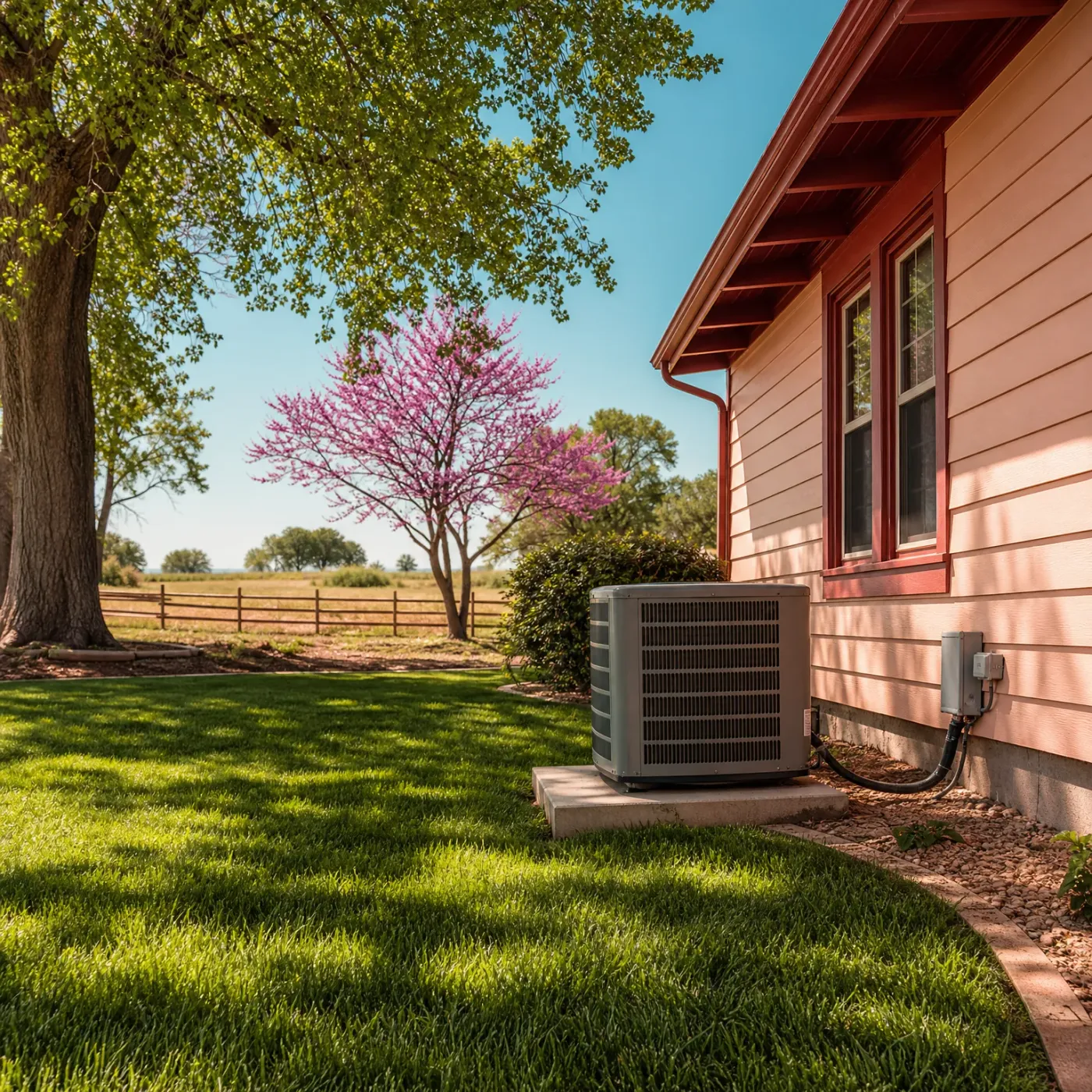
5 months of cooling, May through September
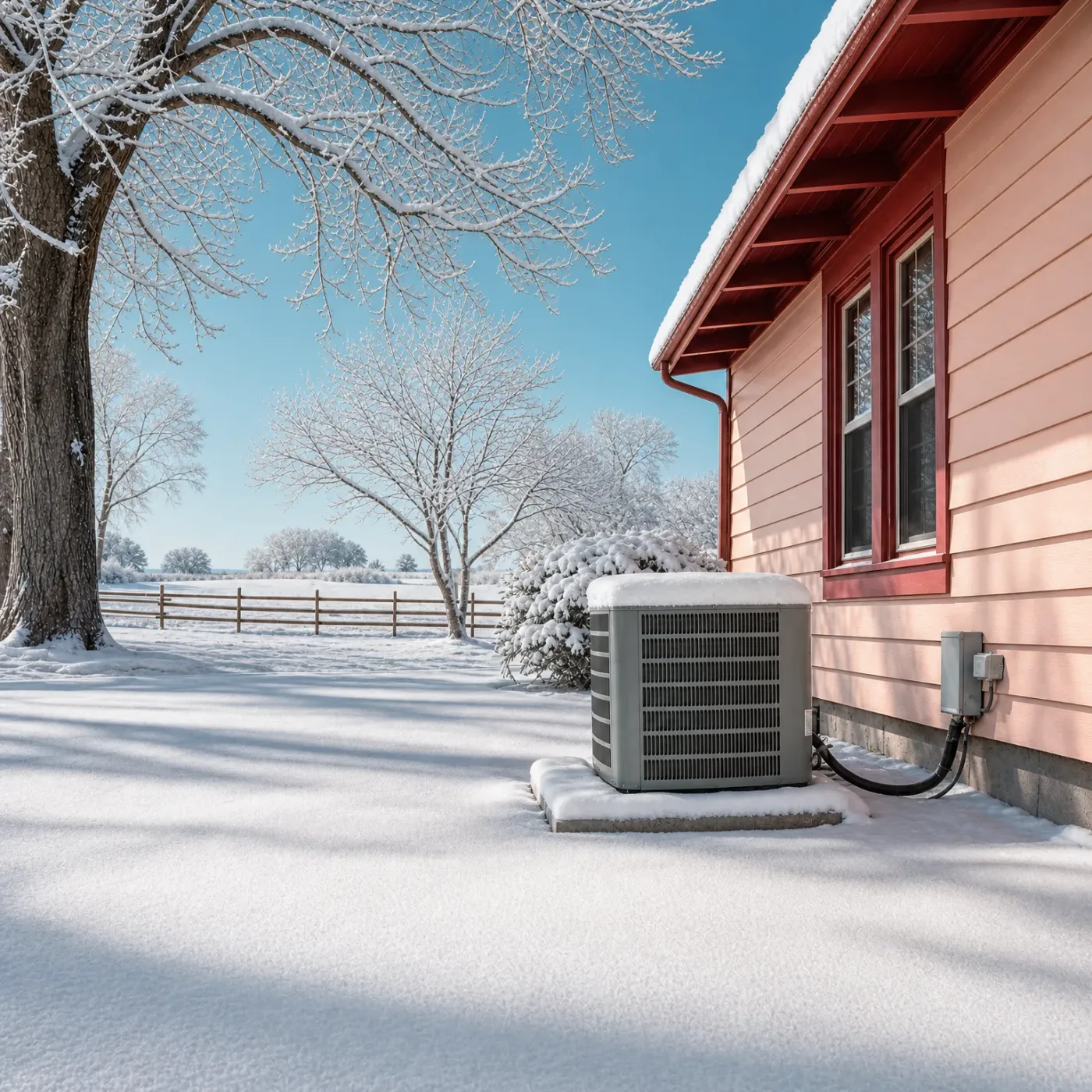
7 months of heat, October through April
Kansas doesn't push the same load on every system in the state. Homes in the southern counties need about 10% more cooling over a year than homes up north, so a system in the south is simply asked to do more, season after season.
The spread shows up clearest at the extremes. Sumner County needs about 78% more cooling over a year than Sherman County, where the state's cooling need is lowest. A compressor in Sumner County works against a load most of the state never sees, which is worth knowing before you assume a repair there should go the same way it would up in Sherman.
Statewide, summer afternoons average 88°F across June, July and August, hotter than in 38 of the other 49 states. That kind of heat load falls hardest on whichever part is already weak, a capacitor that's lost some of its rating or a coil that's short on airflow.
Hail and wind add a separate kind of wear, one that doesn't care how long the system has been running. Kansas recorded more hail events between 2015 and 2024 than all but a handful of states, and damaging wind hit more often here than in most of the country too. That toll lands on the outdoor unit itself, the coil fins, the cabinet, the fan, not on the parts that wear from long hours.
So the starting point for a diagnosis depends on where the unit sits. In the hotter southern counties, worn capacitors and refrigerant that's slipped low from long hours of running are the first things to check. Where hail and wind have been worse, a bent coil or a dented cabinet from storm damage belongs on the list first.
What does an AC in Kansas face?
How hot do summer afternoons get?
88°Faverage afternoon high where people live
Alaska66°F
Arizona101°F
How many months does the cooling run?
5 monthsof cooling a year
Alaska0 months
Hawaii12 months
What does electricity cost?
14.15¢per kWh, what homes paid in 2024
North Dakota11.51¢
Hawaii42.86¢
How often do storms hit?
311severe weather events per county from 2015 to 2024
Alaska5
Wyoming1,057
How many homes lost power for a day or more?
19%of homes in 2024
Arizona7%
Maine54%
What a failing AC sounds and feels like
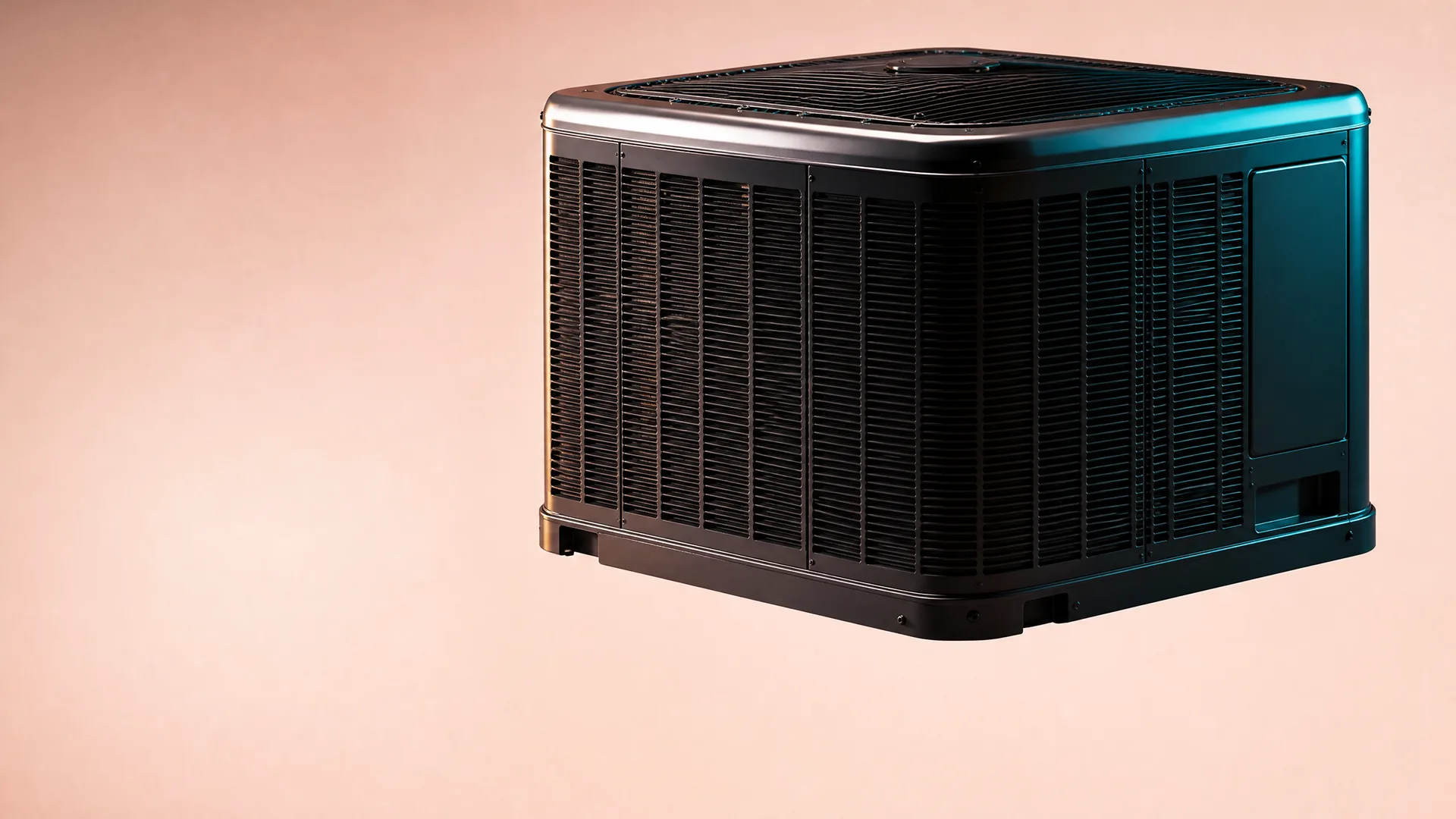
Warm air coming out of the vents while the thermostat still says cool usually points to low refrigerant or a compressor that's stopped pulling its weight. A unit that shuts off and restarts every few minutes instead of running a steady stretch is short cycling, and the compressor takes a hit every time it happens. Listen for a hum with no airflow at all. That's often a compressor trying to start against a capacitor that's already failed. Grinding or squealing is usually the blower motor or a fan bearing wearing out. Ice on the indoor coil or the line to the outdoor unit means airflow or refrigerant is off, and running the system harder to compensate just keeps the ice building instead of melting it back. Water pooling near the indoor unit means the condensate line is clogged or the drain pan has rusted through. None of these clear up on their own, and the system keeps running in that condition until something gets looked at.
What happens during a diagnostic visit
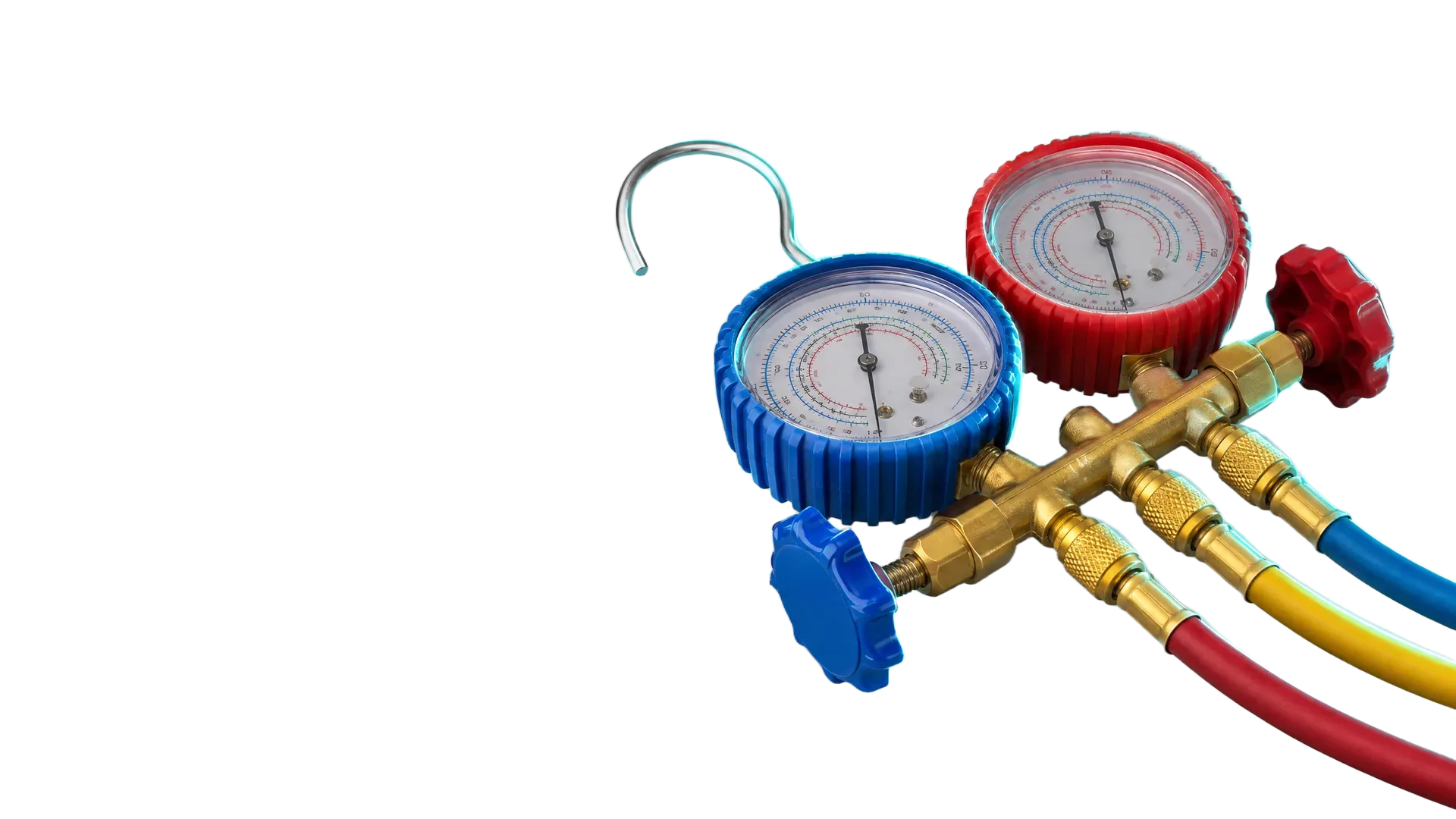
A diagnostic visit usually starts outside at the condenser. The tech checks that the fan spins freely and the coil fins aren't packed with dirt or bent from debris. Then comes the electrical side. That means testing the capacitor, checking the contactor, and seeing whether the compressor is drawing the current it should. Refrigerant charge gets checked against what the system is rated for. A system low on charge almost always has a leak somewhere, and topping it off without finding that leak just delays the same call. Inside, the evaporator coil and blower get checked for dirt, ice or a clogged drain line. Static pressure readings show whether the ductwork is restricting the airflow the compressor needs to do its job. These checks happen in order because the parts affect each other. A compressor that looks like it's failing can really be struggling against a dirty coil that's blocking airflow. Replace the compressor without fixing the coil, and the new one fails the same way the old one did.
Did the system come with the house
Half the homes in Kansas were built in 1976 or earlier. The house doesn't tell you the age of the AC, since a unit gets swapped out long before a house does. What it does tell you is to check, if your system came with the house rather than a later replacement, you're likely dealing with an old compressor and old coils no matter how well either has been maintained. That changes what a repair is worth. A weak capacitor or a clogged drain line is worth fixing on a system that age. A failing compressor usually isn't, since the rest of the unit is as worn as the part that just quit.
Electricity here costs less than in most states, so a repair bill isn't being driven up by Kansas power rates.
Tell us about the job
Takes about a minute. No obligation.
The form takes a few minutes and goes to licensed contractors who work on AC systems in Kansas.