
Mini Split Installation in Kansas
Across the counties where its people live, Kansas recorded more severe weather from 2015 to 2024 than 41 of the other 49 states.
Tell us about the job
Takes about a minute. No obligation.
- 88°Fsummer afternoon high where people live
- 5 monthsof cooling, May through September
- 23°Fwinter overnight low where people live
- 7 monthsof heat, October through April
Kansas storms hit hard and often Sedgwick County has seen the most
- Southern counties need about 10% more cooling than northern ones
- Summer afternoons average 88°F where people live
- Winter nights average 23°F where people live
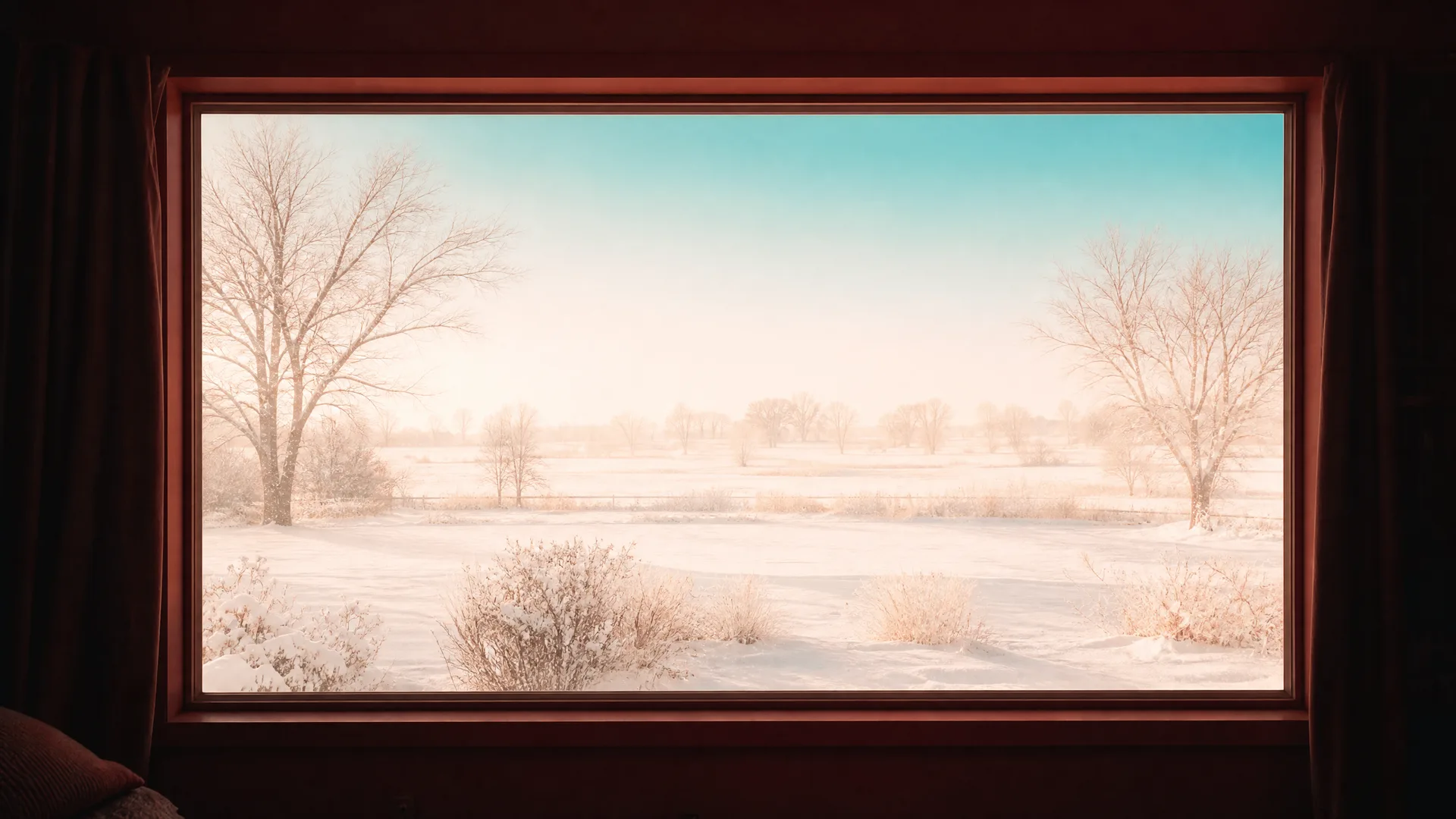
- Cooling runs May through September
- 8,565 damaging wind events from 2015 to 2024
- 19% of homes lost power a day or more in 2024


- One system handles both heating and cooling, so there's no separate furnace and condenser to maintain
- Each indoor head has its own thermostat, so you can leave empty rooms alone
- Refrigerant lines run straight to the indoor unit, so there's no ductwork losing air along the way
- Sized correctly, the unit holds a steady temperature instead of cycling on and off hard
- Filters sit in the indoor head itself, so cleaning them is quick, no panel to pull
A mini split sized for your square footage runs fine here. Electricity runs 14.15 cents a kilowatt-hour for homes in Kansas, less than what homes pay in most other states, so there's no cost reason to size up or chase a higher efficiency rating than the room needs.
Kansas homes that cool with AC used about 8.8 million Btu (British thermal units, a measure of heat) of electricity on it in a year. That's a normal cooling load, nothing that calls for extra capacity. A properly sized head will carry it without straining.
Get it in before May
Cooling runs May through September here, five months straight, longer than in most states. April is the month to get a mini split in. Installed before the heat starts, it's running on day one of the season instead of being sized, ordered and set up while your old system limps along or your house sits without cooling at all. Do it on your own schedule and the installer can take the time the job needs, not rush to get you cool again.
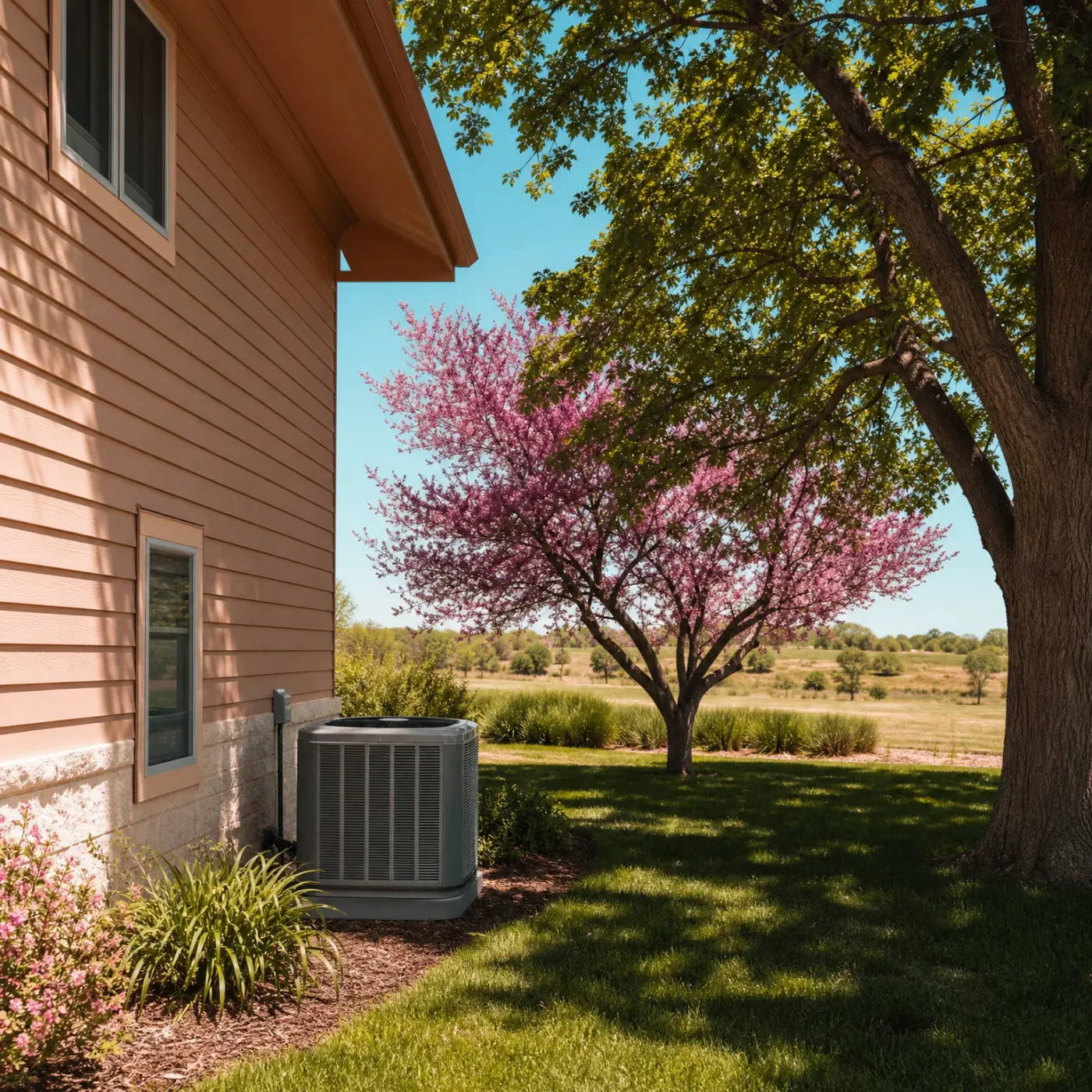
5 months of cooling, May through September
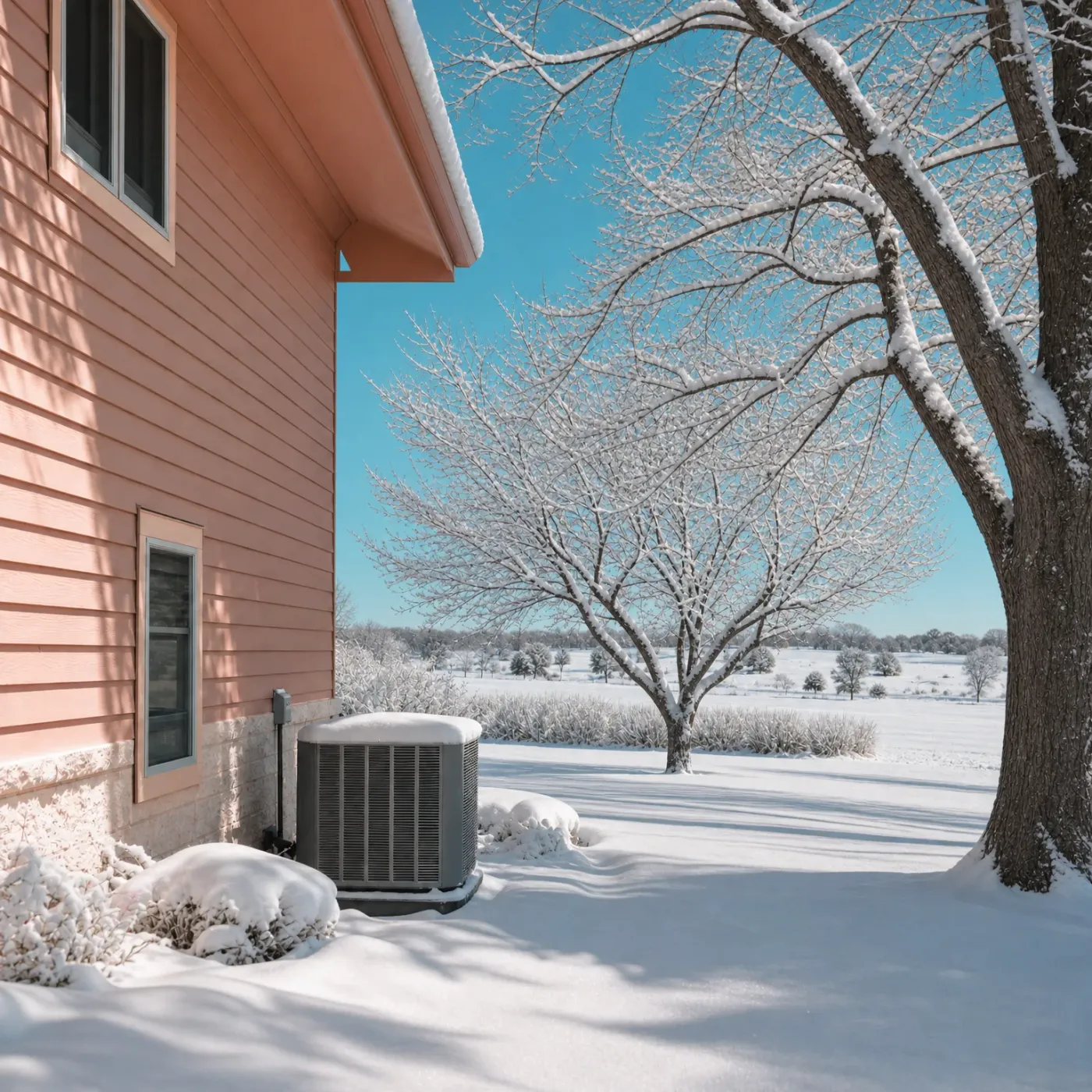
7 months of heat, October through April
Cooling need isn't the same across Kansas. Homes in the southern counties need about 10% more cooling over a year than homes in the northern counties, and in some places the gap runs wider. Sumner County needs about 78% more cooling over a year than Sherman County, where the state's cooling load is the lowest.
A mini split sized for Sherman County won't be sized right for Sumner County. The unit has to match the load where it sits, not an average drawn across the whole state.
Summer afternoons average 88°F across June, July and August where Kansas's households live, hotter than in 38 of the other 49 states. That heat is part of what separates the north from the south, on top of whatever else your county adds to the load.
Storm risk doesn't follow that same north-south line. Kansas has seen more damaging wind and more hail over the past ten years than most other states. A mini split in a low-cooling county faces the same storms as one in a high-cooling county, even though the two need different sizing.
What does a mini split in Kansas face?
How hot do summer afternoons get?
88°Faverage afternoon high where people live
Alaska66°F
Arizona101°F
How cold do winter nights get?
23°Faverage overnight low where people live
North Dakota4°F
Hawaii65°F
How many months does the cooling run?
5 monthsof cooling a year
Alaska0 months
Hawaii12 months
What does electricity cost?
14.15¢per kWh (kilowatt hours, the unit on an electric bill), what homes paid in 2024
North Dakota11.51¢
Hawaii42.86¢
How often do storms hit?
311severe weather events per county from 2015 to 2024
Alaska5
Wyoming1,057
How many homes lost power for a day or more?
19%of homes in 2024
Arizona7%
Maine54%
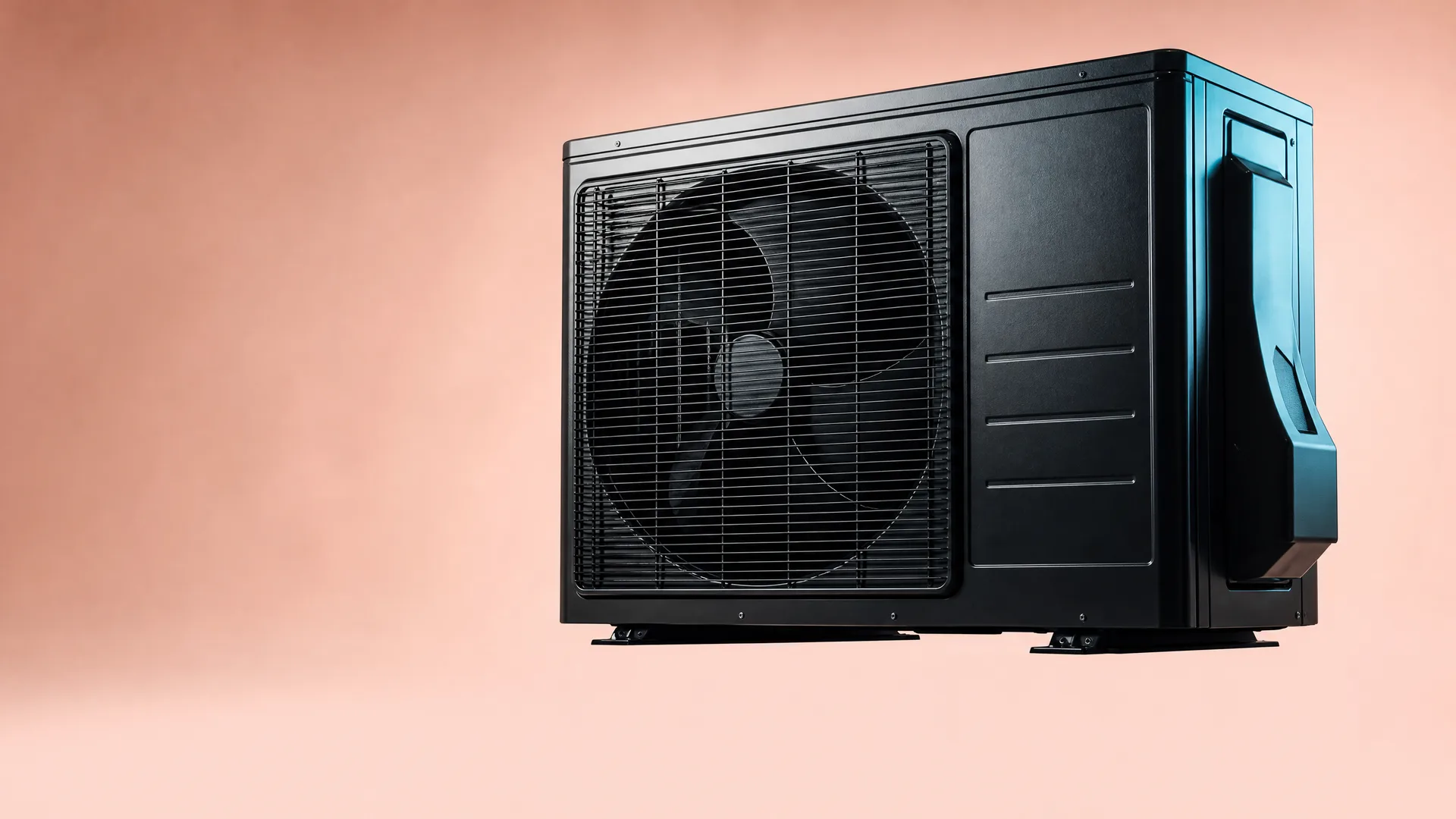
What the rating on the label actually tells you
The rating on a mini-split's label tells you how much heat it moves for the electricity it uses. A higher number means it squeezes more cooling or heating out of the same unit of power. It has nothing to do with how big a space it can handle. A high rating on a unit that's too small for the room still leaves that room warm. Bigger isn't the safe default either, because a unit sized above the load will short cycle, shutting off before it pulls moisture out of the air, then kicking back on a few minutes later. Comfort and quiet both come from matching the unit to the room, not from chasing the top of the efficiency range.
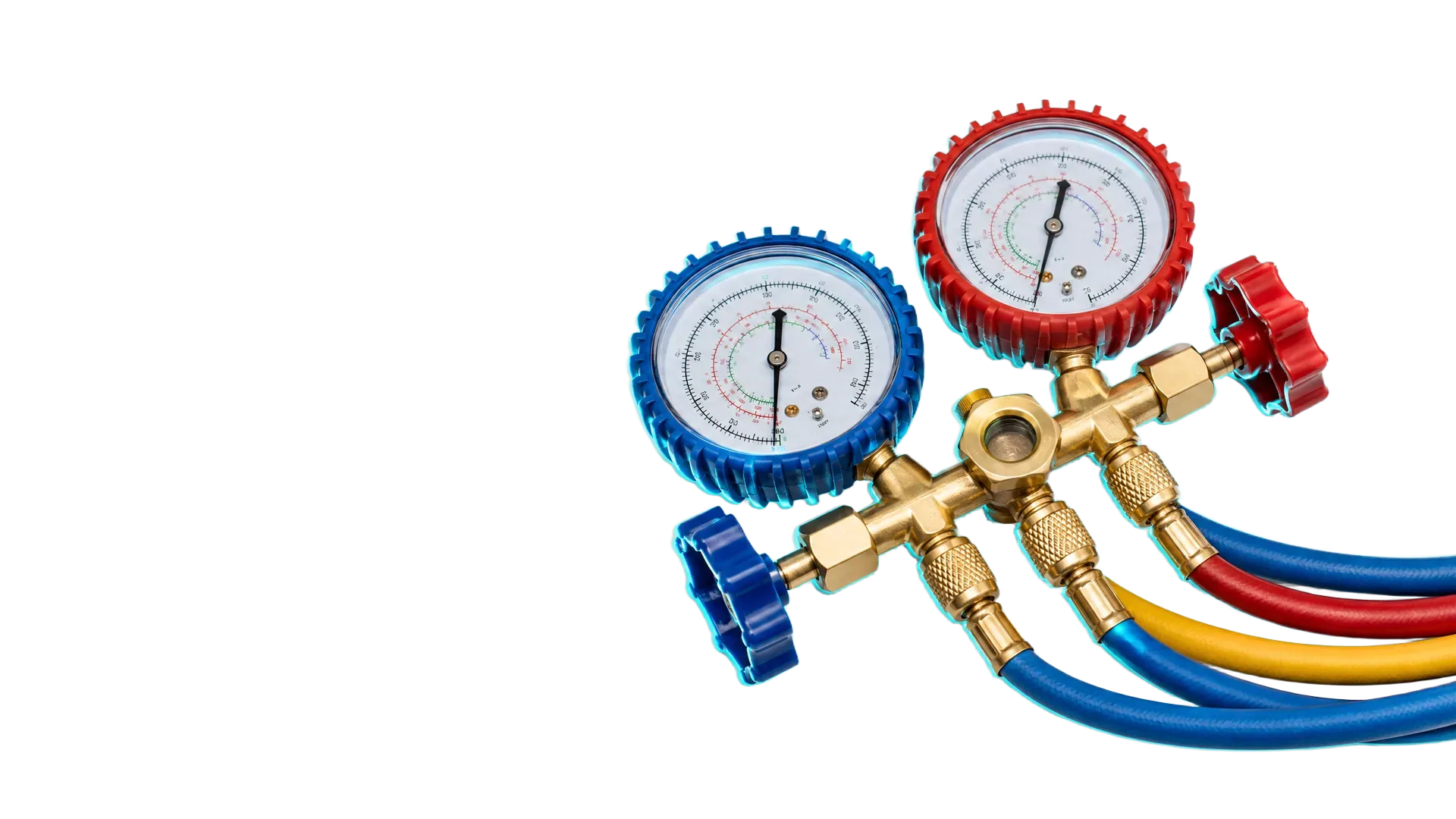
What happens on install day
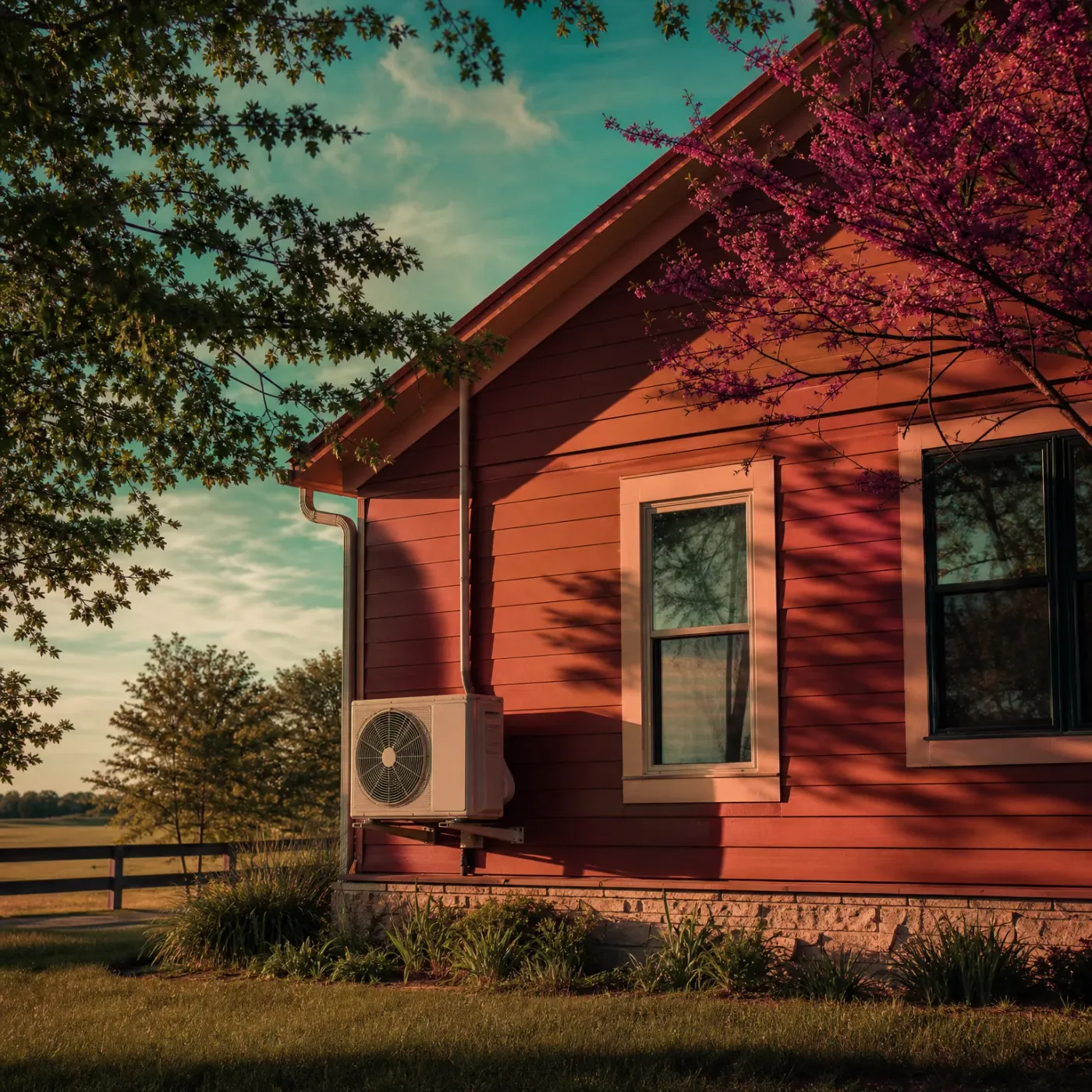
The outdoor unit goes in first, set on a pad or bracket where it has clear air on all sides. From there the installer runs the line set to each indoor head, and the path matters. Every extra bend or extra foot of line is a place the system has to work harder to move refrigerant. Each indoor head gets mounted on a wall with nothing blocking the intake or discharge, close enough to keep that line run short and clean. Once the heads are up and the lines are connected, the system gets evacuated before any refrigerant moves. That means pulling the moisture and air out of the lines so only refrigerant is left to do the job. A good installer checks that the vacuum holds before opening the valves. A line set that leaks down slowly causes problems months later, not on day one. After that it's power, a test run in both cooling and heating, and a check that each head is reading its room correctly and answering to its own thermostat. None of this calls for opening up walls or running ductwork through an attic. The work stays at a wall penetration for the line set and a mounting point for each head.
Gas heats most homes here, and that's fine
Utility gas heats 63.1% of homes in Kansas, more than any other fuel. Electricity is next at 26.9%, with LP gas and fuel oil covering the rest. A mini split doesn't compete with the furnace for either of those homes. It takes over cooling, and in a lot of houses it can carry the shoulder-season heating load too, while the furnace stays in place for the coldest stretch of winter. That's a different decision than replacing a furnace outright, and it's why sizing the mini split to the room matters more than matching it to whatever's already heating the house.
Storms and outages hit Kansas more than most states, so plan where the outdoor unit sits.
Tell us about the job
Takes about a minute. No obligation.
Fill out the form and a licensed installer sized for your home gets in touch.