This county sees real storms
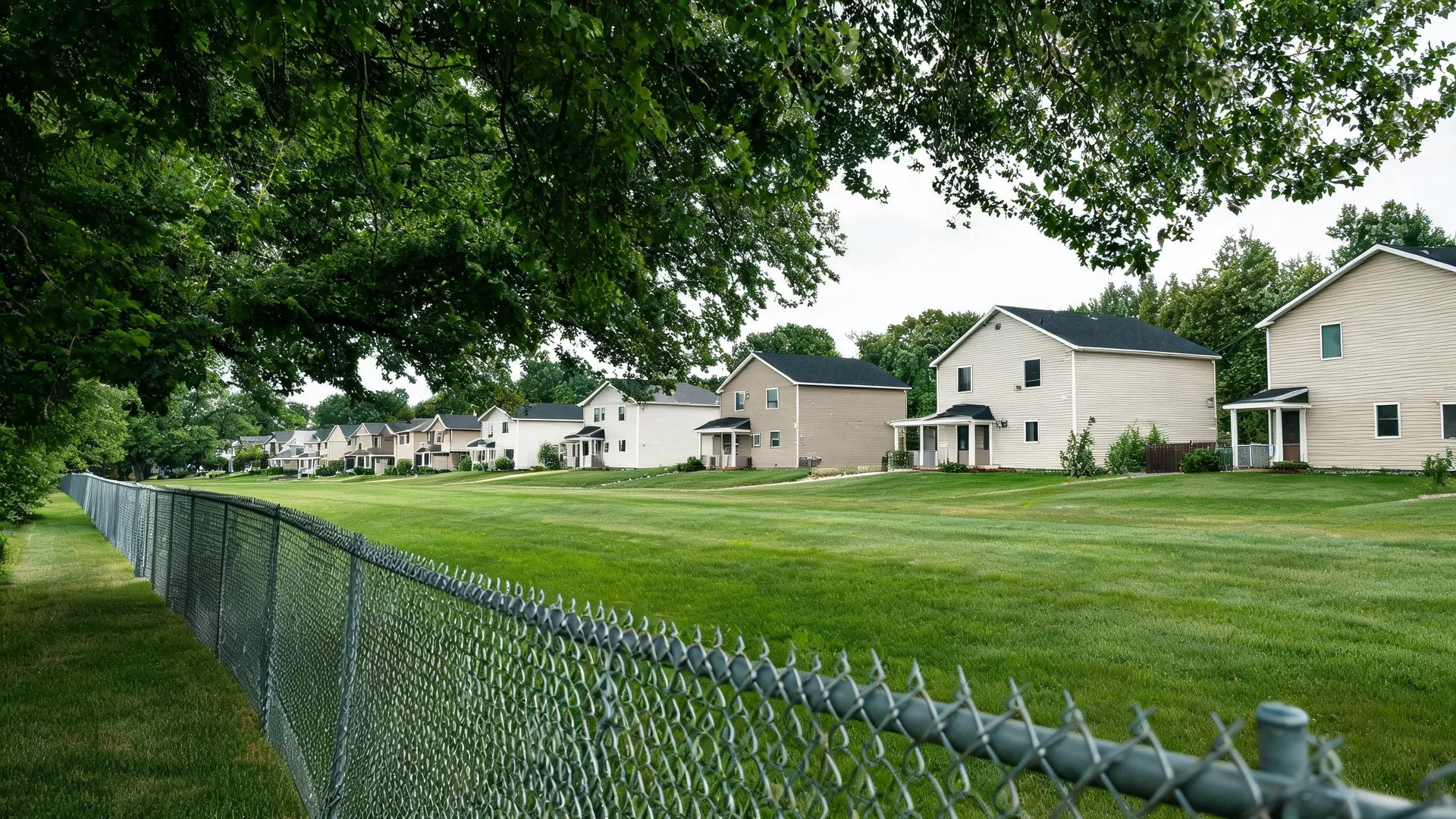
Johnson County logged 367 severe weather events between 2015 and 2024. That included 179 damaging wind events, 170 hail events, and 9 tornadoes. Nine winter storms hit too, with heavy snow and ice.
Takes about a minute. No obligation.
Johnson County logged 367 severe weather events between 2015 and 2024. That included 179 damaging wind events, 170 hail events, and 9 tornadoes. Nine winter storms hit too, with heavy snow and ice.
Close to one in five Kansas households went at least 24 hours without power in 2024. A mini-split install here needs to account for that, from where the outdoor unit sits to how the home keeps heat or hot water when the grid drops.
NOAA nClimDiv, 1991–2020 normals
June through August, the afternoon runs 87°F with a dew point near 65°F.
A mini-split here is cooling hard, five months straight, in air that doesn't let up at night.



Johnson County falls in climate zone 4A, which asks real work from a system in both directions, humid summers and cold winters alike. Any mini-split heat pump installed here has to meet the federal split-system minimums for that kind of equipment: at least 14.3 for cooling and 7.5 for heating, on units built from 2023 on. That standard doesn't carve out a separate rule for ductless systems, so a mini-split is held to the same line as any other split-system heat pump. It narrows what a contractor can legally install, which is worth knowing before you start comparing models or prices.
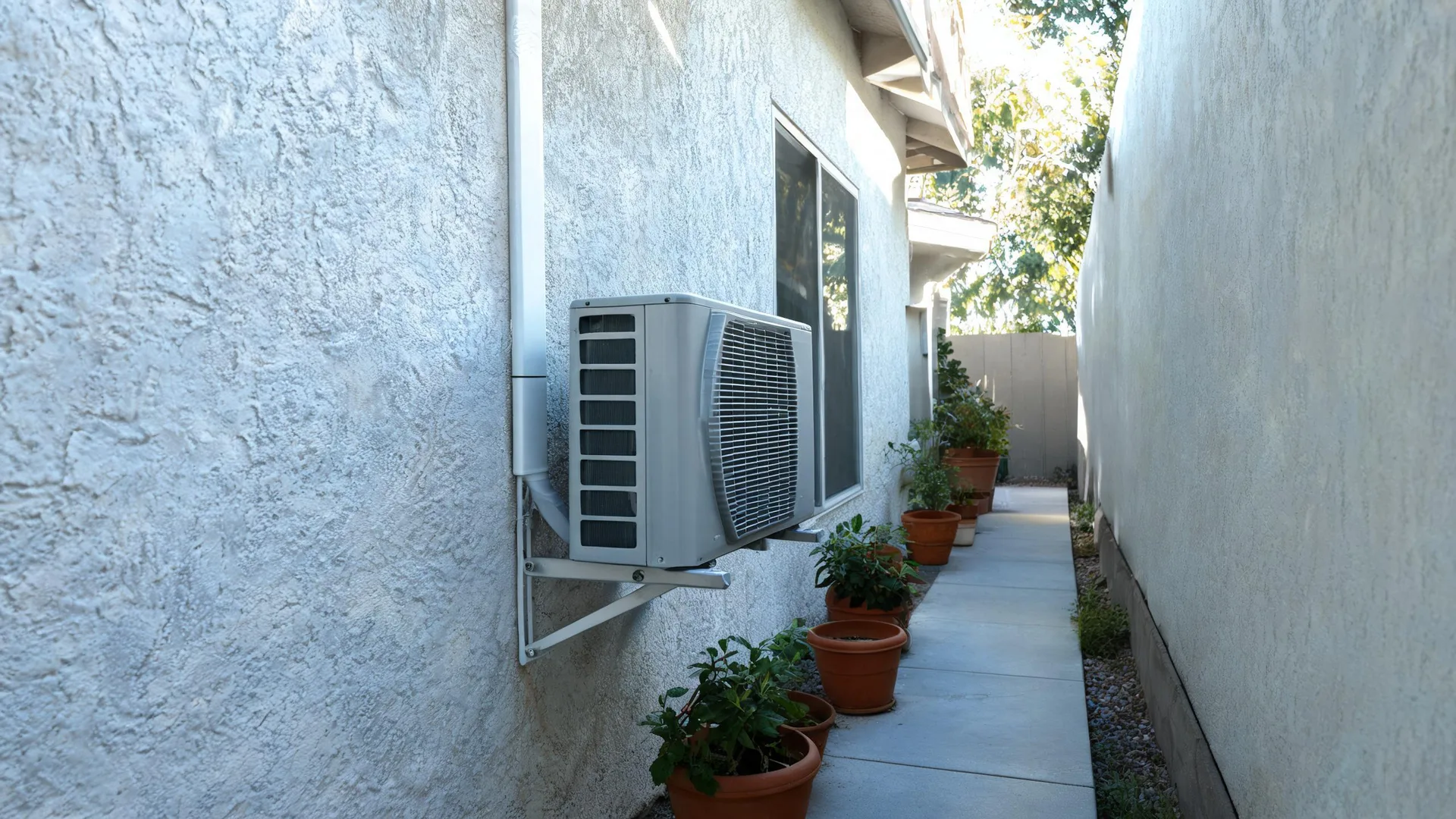
Pick the outdoor unit's spot with wind and hail in mind, and ask about a cover or guard for it. If part of your plan is keeping a mini-split running when the power drops, a battery or generator hookup is something to decide now, before the installer shows up with one setup already in mind.
Find a contractorEvery hour this system runs, the outdoor unit is the part exposed to all of it, sun, rain, cold, whatever blows through. The compressor inside it is built to cycle on and off for years, and that's normal wear it's designed for. What shortens its life is usually something else: a coil caked with dirt or grass clippings, a unit crowded against a wall with no room to exhaust its air, a line set that got kinked during install and makes the compressor work harder than it should. Indoors, the heads run just as long, and the filters inside them need to come out and get rinsed on a regular schedule, not just when the airflow finally feels weak. A mini-split that runs most months of the year, cooling and heating both, puts more hours on its parts than a system that only runs half the year, and that's worth asking any installer about directly: how the unit is rated to hold up under that kind of use, not just how it performs on a mild day.
A mini-split install usually means pulling the old equipment apart, not just hauling it away whole. The indoor head comes off its mounting plate, the line set gets disconnected, and the refrigerant has to be recovered from the lines before anything is cut loose. That refrigerant can't be vented into the air, it has to be captured with a recovery machine and taken off site. If the old system used an older refrigerant, that recovery step matters even more, since it can't legally be vented or reused in a new unit.
Whatever held the old outdoor unit, a pad, a bracket, a mounting rail, usually stays unless you ask for it to come out too. Old line sets run through a wall sleeve, and that hole either gets reused for the new lines or sealed up if the new unit sits somewhere else. The electrical disconnect and any dedicated circuit for the old system get checked against what the new unit needs. A new mini-split doesn't always draw the same power as the one it's replacing, so that wiring is worth confirming rather than assuming it carries over.
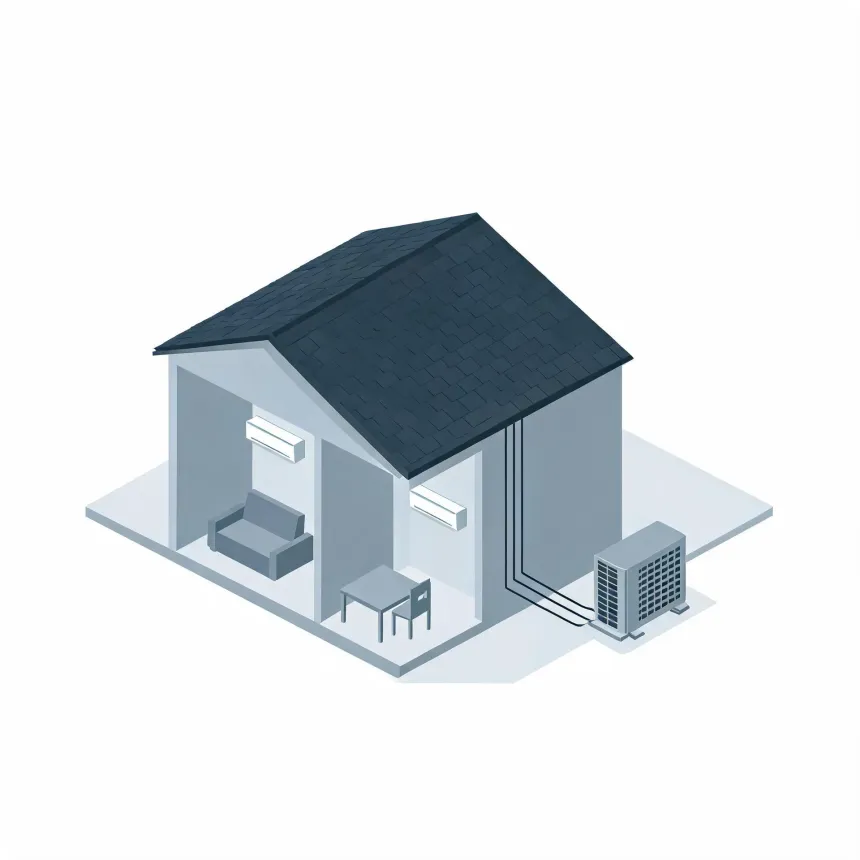
A mini-split's price comes down to what the crew has to do to get refrigerant lines from the outdoor unit to each indoor head. A single zone with a short, straight wall between indoor and outdoor units takes less time and material than a multi-zone setup running lines through floors or across a long exterior wall. Every indoor head needs its own line set, its own condensate drain, and its own spot on the electrical circuit, so adding zones adds labor, not just equipment. The outdoor unit's size has to match the total load of every head it serves, and an undersized unit will struggle no matter how well the heads are placed. Mounting also matters. A wall bracket is simple, but a unit that has to sit on a stand, on brackets off the siding, or somewhere that needs extra support takes more time to set and secure. The further the line set has to travel, and the more walls or framing it has to pass through, the more that install costs in both material and hours.
Gas heats 69.4 percent of homes in Johnson County, electricity heats most of the rest. That split matters for a mini-split install, because the two most common setups here are a gas furnace with central air, or straight electric heat. A mini-split heat pump doesn't fit neatly into either. It can replace the electric side entirely, or it can work alongside a gas furnace as a second system for the rooms that need it. Either way, the existing fuel setup in the house shapes what the installer is actually adding, not just what they're taking out.