
Can a mini split cool a whole Kansas home
Can one mini split cool my whole house in Kansas?
You're thinking about getting a mini split in before next summer, and you want to know if one unit is enough or if you're going to need more than that to keep the whole house comfortable when the humidity sets in. Maybe you've seen them in a single room somewhere and you're wondering if that's all they're good for, or if a bigger setup can actually handle a full Kansas house.
One mini split usually cools one zone, not the whole house
A single mini split unit is built to condition the room or open area where its indoor head is mounted. It doesn't push air through ductwork the way a central system does, so rooms down a hallway or behind a closed door won't get much relief from it, especially once a Kansas summer gets sticky and the whole house is carrying that humidity. Covering a full house means installing a multi-zone system, with one outdoor condenser running several indoor heads, one per room or area that needs it. A contractor sizes that setup to your home's layout and square footage. Since most homes here heat with gas, a mini split system is usually added for cooling, which is worth knowing as you plan what you want it to cover.




Is one mini split enough, or does it fall short upstairs?
A single indoor unit does best in the room it's mounted in and the rooms right around it. Go down a hallway or up a staircase and you'll likely feel the difference, a bedroom that stays warm into the evening while the living room feels fine. Closed doors make it worse, since the unit can only push conditioned air where the air can actually move. If your house has more than one level or the floor plan branches into separate wings, one unit is probably cooling where it's mounted and leaving the rest to the windows and the ceiling fans. That's not a breakdown, it's just more square footage and more walls than one head was built to cover.
Sizing it to the house
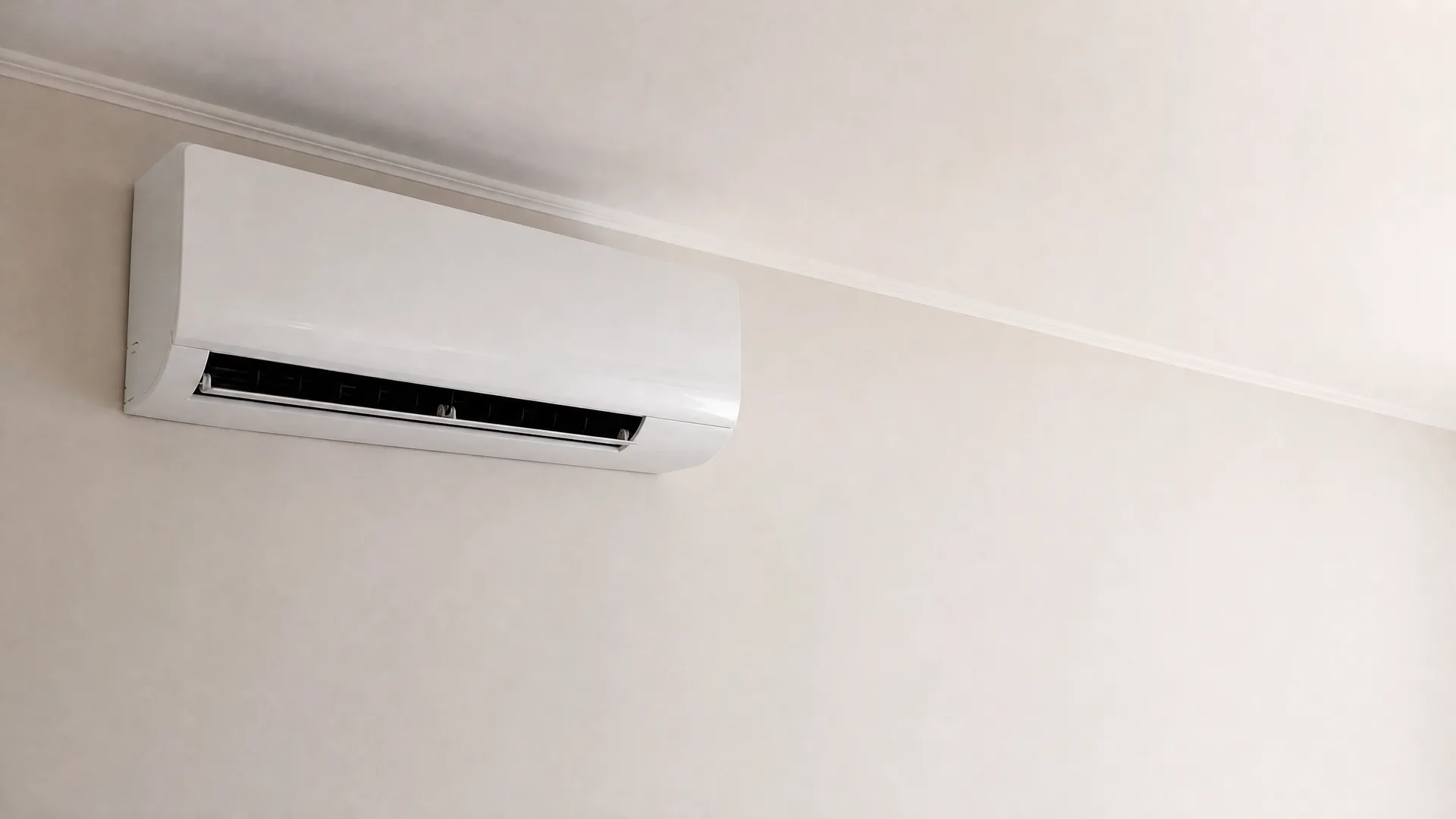
A mini split is sized by BTU output matched to the square footage it has to cover, plus how that space is laid out. One indoor unit placed in a central room can push air through an open floor plan well enough. Add a hallway, a second floor, or rooms with doors that stay closed, and that same unit runs longer without closing the gap. A multi-zone system splits the output across two or three indoor heads, each one sized to its own room instead of asking one unit to reach every corner.
What the humidity adds
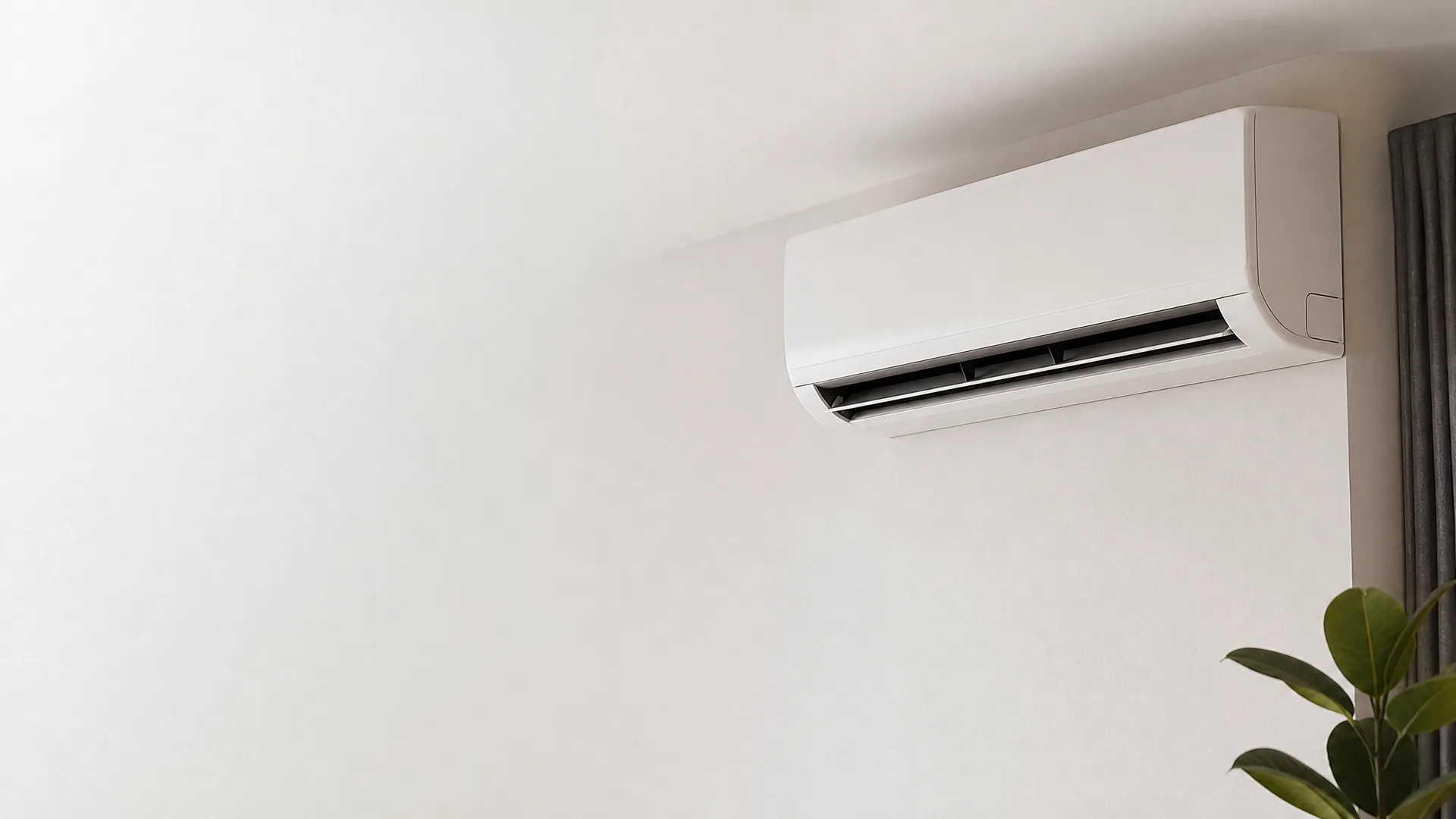
Kansas summers put more than heat on a mini split. The unit also has to pull moisture out of the air, and that load doesn't let up just because the thermostat reads the right number. A single zone working against both heat and humidity in rooms it wasn't sized for will run close to constant through July and August. Sizing the system for the whole house, not just the main room, is what keeps it from working that hard all summer.
One Zone or Several
Single Zone
- Covers the room it's mounted in and whatever space is open to it without a wall or door between.
- Works well if you're adding cooling to one problem room, like a bonus room over the garage that your gas furnace ductwork never reached.
- Leaves the rest of the house on whatever system cooled it before, so bedrooms down the hall stay on their own.
- Costs less to install since there's one indoor unit and one line set running to the outdoor compressor.
- Won't do much for a second floor if the unit is mounted downstairs, since heat rises and that air has nowhere to go.
Multi Zone
- Runs several indoor heads off one outdoor compressor, so each room gets its own unit and its own thermostat.
- Handles a house with more than one floor or a layout with bedrooms down a hall, where a single head can't push air far enough.
- Each zone can run on its own, so you're not cooling a guest room nobody's using just to keep the living room comfortable.
- Costs more upfront than a single zone since every room added means another indoor unit and more line set.
- Matters more in a sticky Kansas summer, since a zone with no airflow will hold onto humidity even if the temperature feels close.

An outdoor compressor sends refrigerant lines to each indoor unit
Each indoor head has its own thermostat and blower speed
The compressor ramps up or down based on what the zones call for
A condensate line drains moisture pulled from the humid air


A pro who works on mini splits
One installer gets your project, so there's no bidding war over it.
Get in touch with a local installer about a new mini split.
You only hire the pro if you want to.


How a multi zone system actually runs
- The outdoor compressor is variable speed, so it ramps up or down instead of cycling fully on and off like a furnace blower.
- Each indoor head reads its own room temperature and calls the compressor for more or less refrigerant on its own.
- Refrigerant lines run from the compressor to every indoor head, so one outdoor unit can carry two, three, or four zones at once.
- A multi zone system splits total BTU output across all the heads running at the same time, not full capacity to each one.
- Running every zone at once in sticky weather asks more of the compressor than running just one or two rooms.
- The line set length and the number of bends between the compressor and each head affect how well that zone actually performs.
A single zone mini split is simple: one outdoor compressor, one indoor head, one refrigerant line between them. Add zones and the compressor has to split its attention. It's still one outdoor unit, but now it's reading demand from every indoor head at once and deciding how much refrigerant each one gets. On a mild day that's no trouble. On a sticky July afternoon with three or four rooms all calling for cooling at the same time, the compressor is working near its limit just to keep up with everyone's number.
That's why the BTU rating on the outdoor unit matters more than the rating on any single indoor head. A contractor sizing a multi zone system has to total up what the whole house needs running at once, not just add up the biggest ask from each room. Get that wrong and the head farthest from the compressor is usually the one that falls behind first.
Distance plays into it too. Refrigerant has to travel through copper line sets to reach each head, and the longer that run and the more bends it takes getting there, the harder that particular zone is to keep cold. A bedroom twenty feet from the compressor with a straight line run will outperform one forty feet away with two turns, even if both heads are rated the same. That's part of why where the compressor sits and how the lines are routed gets decided before anything goes in the wall.
Power costs 14.44 cents per kilowatt-hour statewide
A multi-zone system draws more than one indoor head running at once, and in Kansas that load shows up on the bill at 14.44 cents per kilowatt-hour. Right-sizing the install so it isn't fighting rooms it was never meant to cover keeps that cost from creeping past what a single zone would run you.
EIA-861 2025 statewide residential average
One mini split can cool the room it's in and the rooms open to it. It can't cool a whole Kansas house once you add a hallway, a second floor, or a few closed doors, not when the humidity sits heavy in July and August. Getting the zones right, how many heads, where they go, and what size compressor ties them together, is a job for someone who sets these up in Kansas homes every summer and knows which rooms tend to get shorted when a system's undersized. A local, licensed installer can walk your floor plan and tell you what it actually takes to cover it, and you'll hear back from one contractor, not a handful of them competing for your number. You came here with a specific question about your house. The answer is that it depends on the layout, and the next step is having someone who installs these for a living look at yours.





Get your mini split to the right pro
Your request goes to one pro, not a list of companies.
Asking costs nothing, and the choice to hire stays yours.