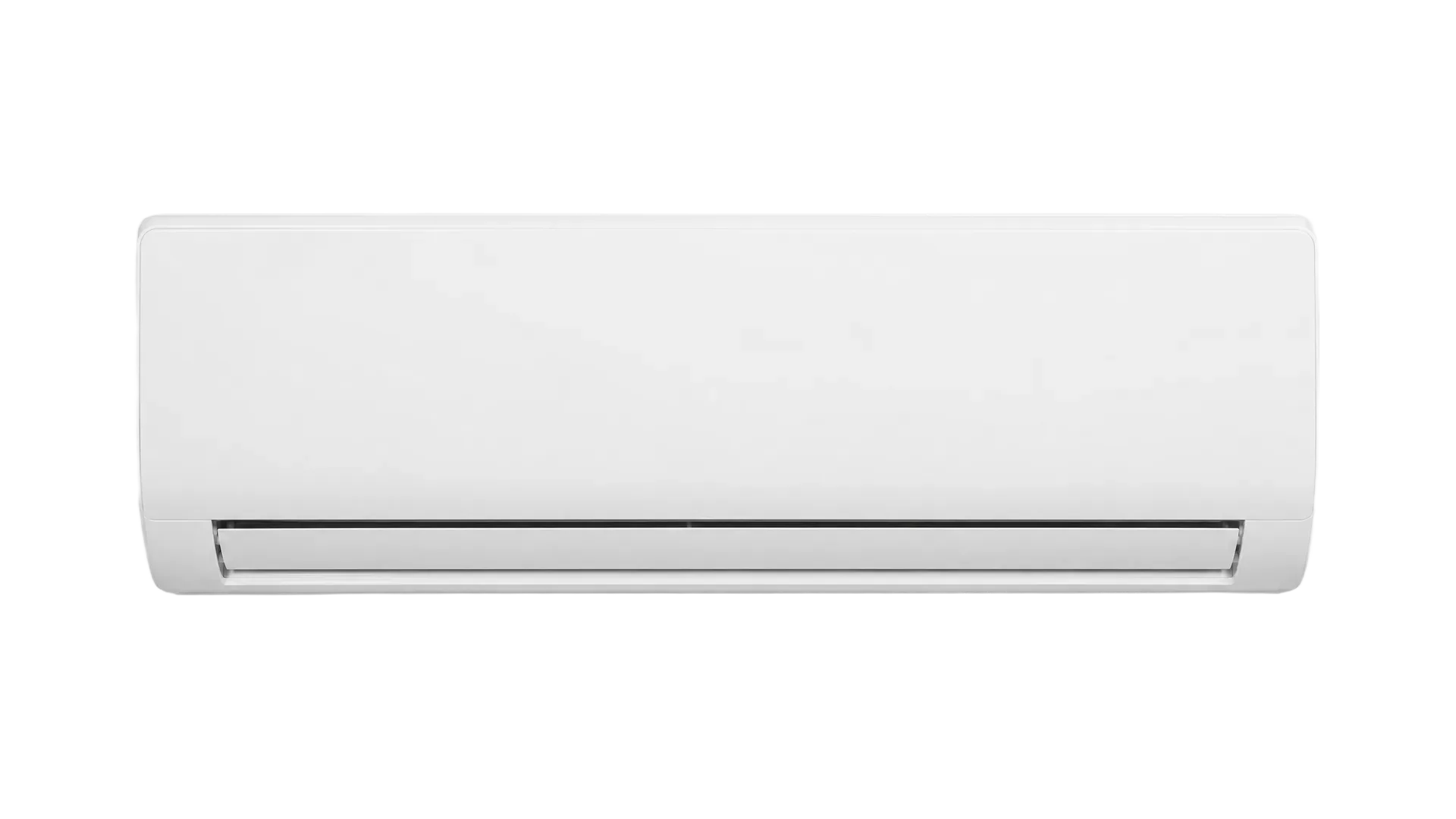
Installed where it can do its job
This unit sits above a clean baseboard with open air around it. Nothing blocks the vane, and the coil behind that white housing stays clear to pull in outside air and pass heat into the room all winter.
A mini split can heat a Kansas home through the winter, but it works hardest on the coldest nights, and most homes here lean on it alongside a gas furnace rather than in place of one. A mini split pulls heat from the outside air, and the colder that air gets, the less heat there is to pull. Once temperatures drop into the teens or lower, which Kansas sees most winters, output falls and the unit may run long stretches without fully catching up. Some models handle cold climates better than others, and the difference comes down to how the system is sized and installed for the room it serves and the winters it has to get through. A mini split put in for a sunroom or an addition will perform differently than one meant to carry a whole house through January. Getting that sizing right, and deciding where a mini split fits alongside your furnace, is a job for someone who installs them in Kansas winters regularly.


A mini split does not make heat the way a furnace does. It moves heat that is already in the outside air into your house. Refrigerant runs out to the outdoor coil, picks up warmth from the air passing over it, and a compressor squeezes that refrigerant until it gets hotter still. From there it travels inside, where a fan pushes room air across the indoor coil and the house warms up. The colder it gets outside, the less heat there is to grab, so the system has to run longer to keep up, and on the coldest Kansas nights its output starts to fall off. That outdoor unit needs room to breathe too. Snow or ice built up against the coil chokes the airflow it needs, and in freezing weather the system will pause heating for a few minutes now and then to run a defrost cycle and clear frost off the coil before it goes back to warming the house.




One installer gets your project, so there's no bidding war over it.
Skip searching for a mini split pro and answer a few questions instead.
Sending the form costs nothing.
You'll notice it most on the coldest mornings. The air coming out of the indoor unit feels cooler than it used to, or the room just won't climb past 65 even with the unit running nonstop. Maybe you hear it cycling more than it did last winter, or the outdoor unit is caked in ice that doesn't melt off between cycles. Some homes smell a faint burning dust smell when the system kicks on after sitting idle. None of this means the mini split is done. It usually means it was never sized or placed right for how cold it gets here, or your gas furnace isn't picking up the slack the way it should on the hardest nights.

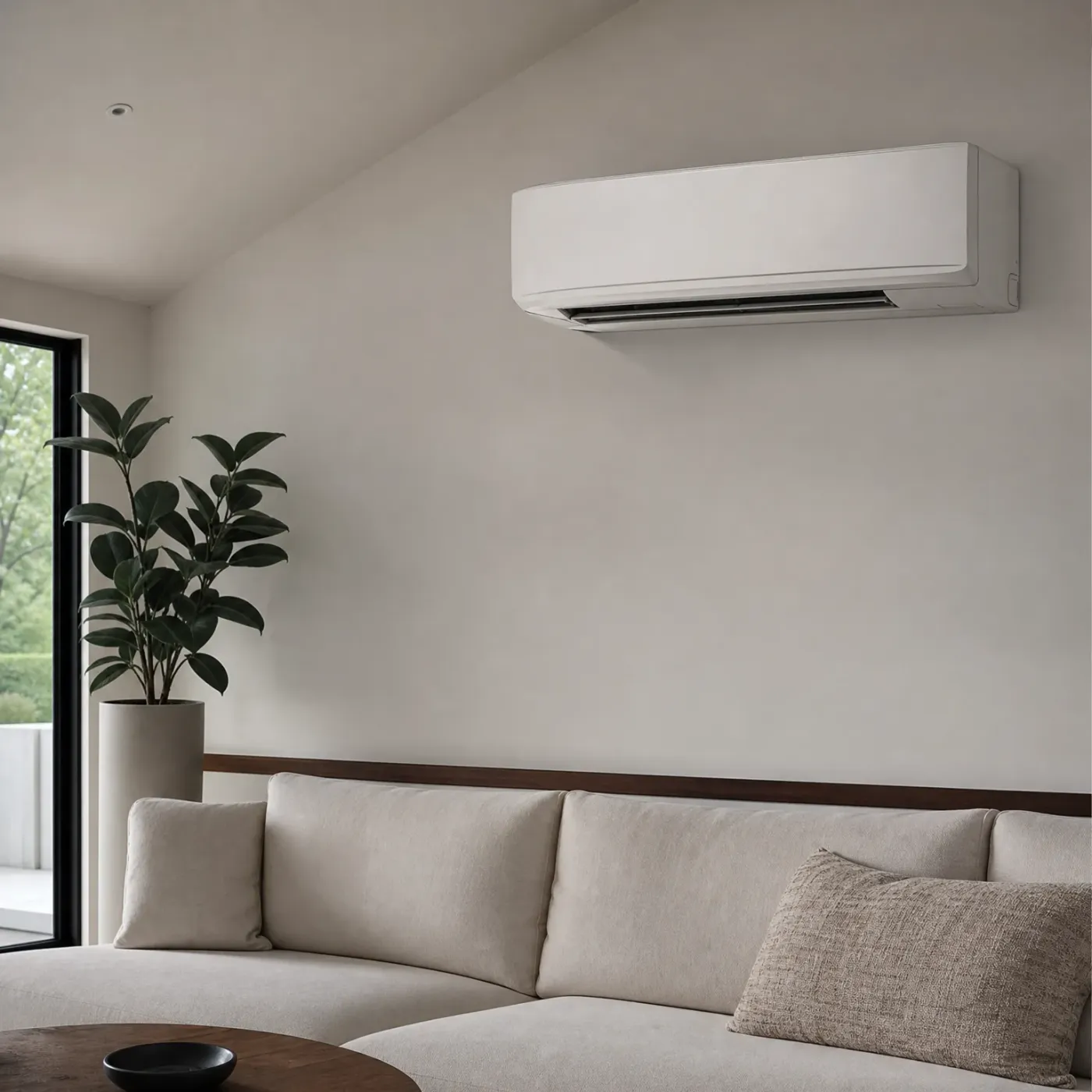
This unit sits above a clean baseboard with open air around it. Nothing blocks the vane, and the coil behind that white housing stays clear to pull in outside air and pass heat into the room all winter.

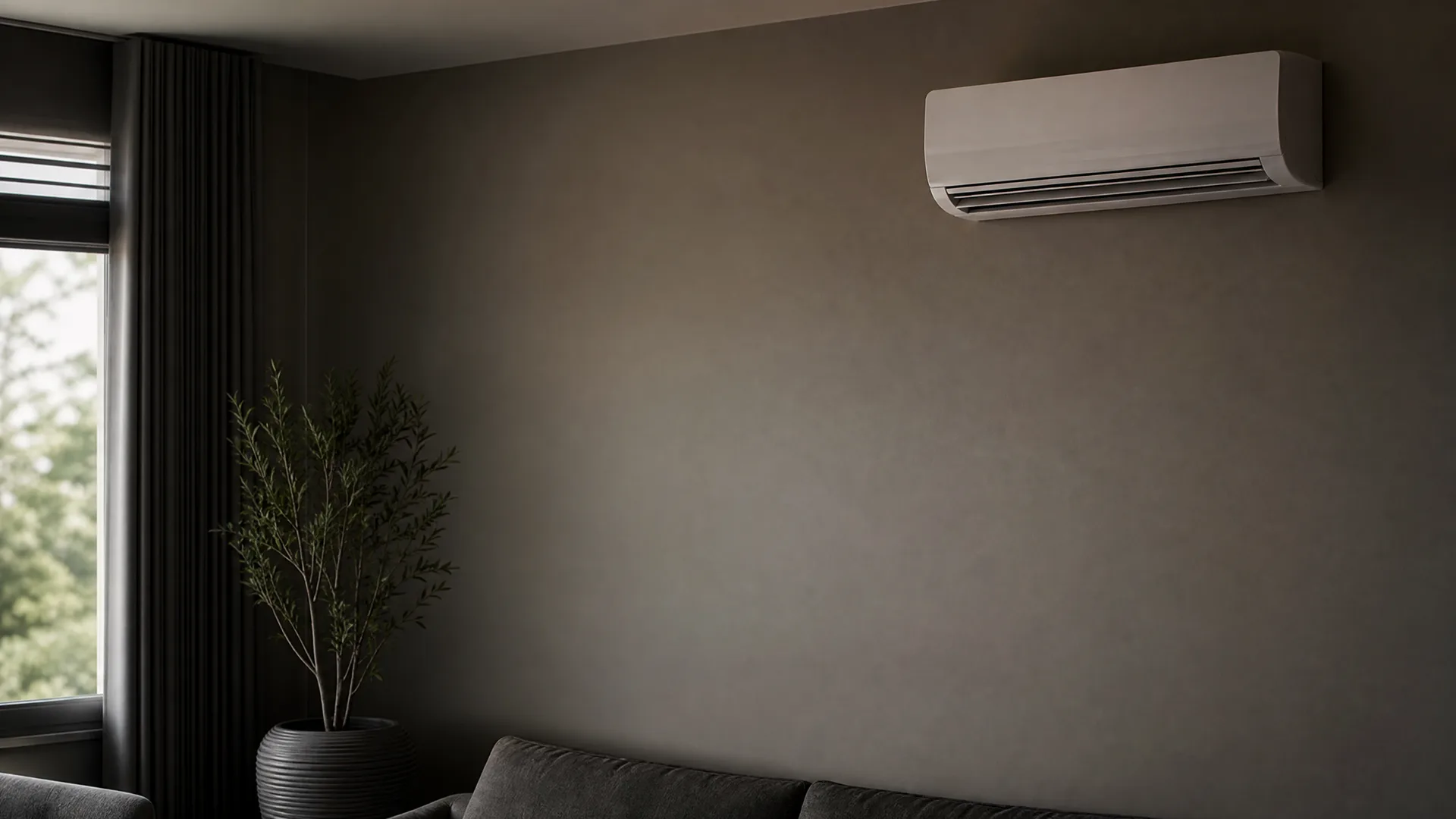
Dust has built up across the housing and the vane only opens partway. A mini split mounted too close to a ceiling or furniture fights to draw air in and push it out, and that fight shows up as a cold room long before a hard freeze does.



This unit sits open near the ceiling, nothing blocking the vents or the louvers. Air moves through it the way it was designed to, so it keeps pulling heat out of the cold outside air without a fight. On a January night in Kansas, that matters.

The panel and louvers on this one are gray with buildup. Dust like that blocks airflow at both ends, so the coil can't pull in heat the way it should and the room runs cooler than the thermostat says. A tech can tell you fast whether yours needs a real cleaning or something more.


Refrigerant in the outdoor coil absorbs heat from the cold outside air.
The compressor squeezes that refrigerant, raising its temperature further.
Hot refrigerant moves inside to the indoor coil and gives off heat.
A fan in the indoor unit pushes that heated air into the room.
At 14.44 cents per kilowatt-hour, running a mini split hard on a cold night costs more than running it on a mild one, since it has to move more heat to keep the room warm. A unit installed and sized right does that job without wasting power you're paying for.
EIA-861 2025 statewide residential average

A mini split will heat your home through the cold months here, right down into the teens and below, as long as it was sized for your space and installed where it can breathe. Most Kansas homes still lean on a gas furnace for backup on the hardest nights, and that pairing works. What decides whether yours performs is the install itself: the right unit, the right placement, the right person putting it in.
That part is worth getting right the first time. Instead of calling around to different companies, describing your setup over and over, and weighing quotes against each other, you get matched with one licensed local contractor who installs and services this equipment all winter and knows how it needs to go in. No juggling calls, no repeating yourself, no guesswork on who to trust with it.

Your request stays with one local pro.