









How long mini splits last in Kansas

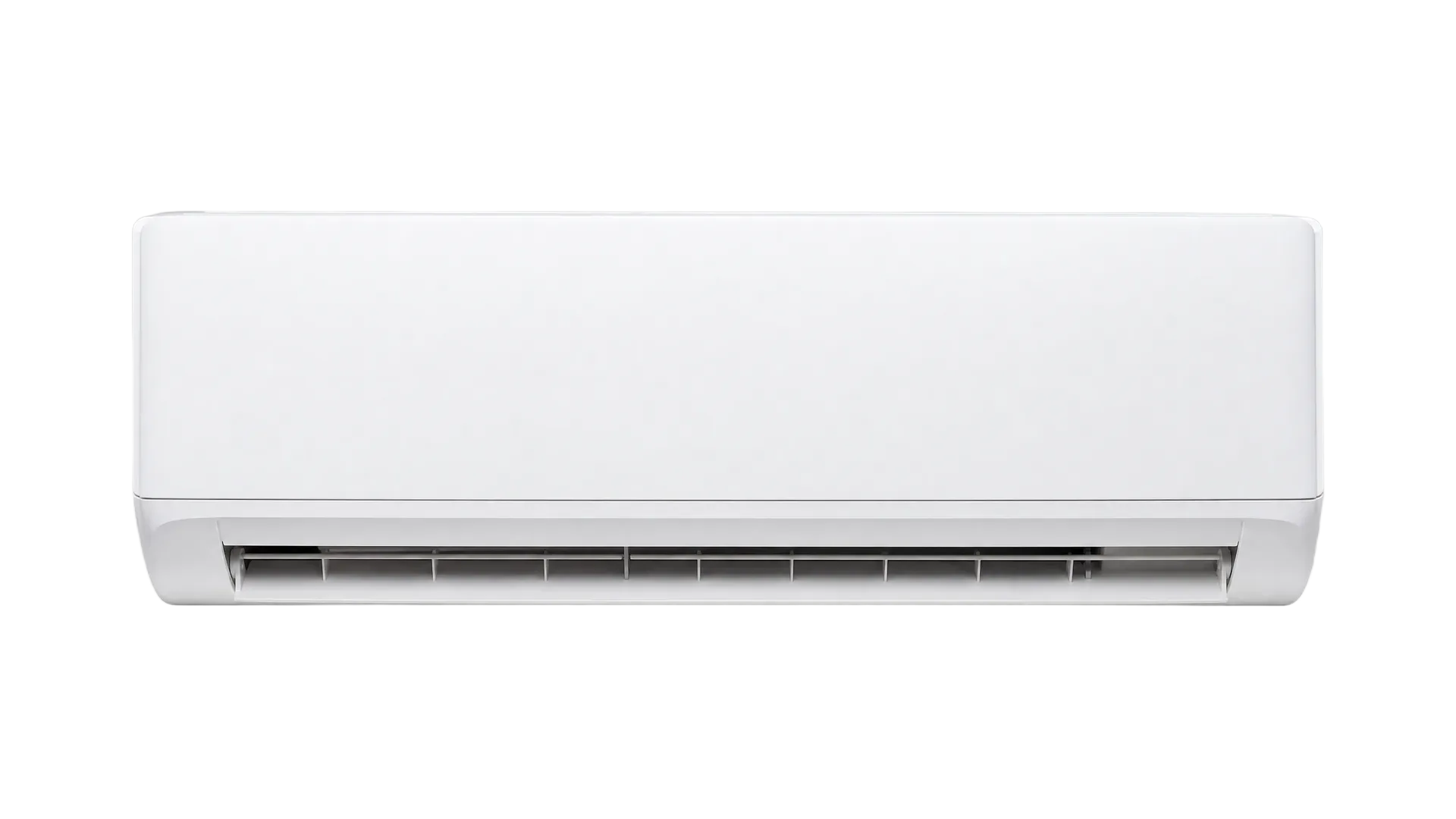
A white wall-mounted mini-split air conditioner indoor unit with a horizontal louvered vent, shown against a plain light gray background.
Hand it off

How long do mini splits last in Kansas?

You bought a mini split or had one installed, and you want to know how many years you can expect to get out of it before you're looking at a replacement. Kansas summers get hot and sticky, and that system runs hard for months at a time. You're trying to figure out if what you have is holding up normally or wearing out early.

A mini split in Kansas typically lasts 15 to 20 years

That range holds up here because most Kansas homes heat with gas, so the mini split isn't carrying the coldest months on its own the way it would in a home that depends on it for heat all winter. Its heaviest load falls on the muggy stretch of summer, running the compressor and the indoor coil day after day. A unit that's sized right for the room and installed correctly, with the line set and drainage done properly, will hold up through that cycle for years without strain. One that's oversized or undersized, or installed with a sloppy refrigerant charge, tends to wear out its compressor well before the 15 year mark.

  1. Refrigerant carries heat between the outdoor unit and indoor head.

  2. The compressor works hardest during Kansas's sticky summer stretch.

  3. Dirty filters and coils force the compressor to run longer.

  4. A worn compressor or failed board usually ends the unit's life.

Maintain It or Risk the Breakdown

Keep it maintained

  • A contractor who services mini splits all summer in Kansas knows which parts fail first on units running this hard.
  • Clean filters and clear coils let the compressor cycle normally instead of running long stretches to keep up with the heat.
  • A unit that gets checked before summer starts usually runs through the worst stretch without a breakdown.
  • Catching a refrigerant leak or a failing capacitor early costs you a repair instead of a new compressor.
  • A local contractor who installs and services these systems knows what tends to go wrong on the brands common here.

Let it ride

  • Skipping service saves you a visit, but the compressor keeps absorbing the extra strain from dirty coils.
  • A system nobody's looked at won't warn you before the compressor or control board gives out.
  • Once the compressor fails, you're usually looking at replacing the outdoor unit rather than repairing it.
  • Running a mini split through a Kansas summer without a check means small problems go unnoticed until they're bigger ones.
  • Waiting until it stops cooling means finding a contractor during the hottest stretch of the year instead of ahead of it.
A middle-aged man with grey hair and a beard, wearing a grey knit sweater, sits on a light sofa in a sunlit living room with a houseplant, wooden cabinet and framed landscape picture behind him.
A man with greying hair and a beard in an olive sweater sits on a sofa in a living room, looking to his left, with an armchair, round side table and large glass doors onto trees behind him.
A gray-haired bearded man in a dark blue shirt over a white t-shirt sits on a leather sofa in a living room with built-in shelves, a floor lamp, an armchair and large windows, looking off to the side.
A man with gray-brown hair and stubble in a dark sweater sits on a light-colored sofa in a living room, looking off to the side, with a houseplant, framed picture, shelving and a sunlit window behind him.

A mini split that's never cleaned works harder every summer to do the same job, and that extra strain on the compressor is what shortens its life.

A unit that gets a filter cleaning and a coil check each year runs the way it was built to, and tends to reach the far end of its lifespan instead of the near end.

A woman with shoulder-length graying brown hair in a cream knit cardigan sits in a dark armchair indoors, looking off to the side with a slight smile, with a shelf, window and houseplant blurred behind her.
A woman with dark hair in a bun sits on a sofa with a child resting his head on her shoulder, both wrapped in a cream knit blanket, with a lit lamp and bookshelf in the dim background.

Skip a few filter cleanings and you won't see it right away. The first sign is usually a summer where the house doesn't feel as cool as it used to, even though the unit is running. That's the coil or filter choked with dust, making the compressor work longer to move the same heat out of the house. That extra run time shows up on your power bill before it shows up as a breakdown. Keep skipping it, and you're asking a compressor built to run 15 years or more to do that work under strain, which is how units end up failing closer to 10 or 12. Since cooling is likely the only job your mini split does in a gas-heated Kansas home, every hour of strain happens in those hot, sticky months, not spread out over the year. And when the compressor does go, you're not looking at a repair bill. You're looking at a replacement, probably in July or August when you need the thing working most.

What skipped upkeep costs you

  • A mini split pushed hard every Kansas summer without upkeep can fall short of 12 years instead of reaching 15 or more.
  • Once the compressor fails, replacement usually costs more than keeping up with filter cleanings and coil checks ever would have.
  • A clogged coil or filter raises the power draw for the same cooling, so you pay more each month for a system working harder.
  • Since most Kansas homes heat with gas, the mini split likely only handles cooling, so summer strain is what shortens its life here.
  • A neglected unit tends to lose cooling capacity gradually, so the house feels warmer on sticky days before the system actually quits.
  • Skipping maintenance for a few years can leave you facing a failed compressor in the middle of a hot stretch with no cooling at all.
A dusty white wall-mounted mini-split air conditioner installed high on a beige interior wall below a molded ceiling trim.
Before you get your mini split installation
A white wall-mounted mini-split air conditioner unit installed high on a light gray interior wall near the ceiling, with a white-framed window and green foliage visible at the left edge.
After you get your mini split installation

Let someone else find the pro

You know by now what shortens a mini split's life in Kansas: a compressor pushed hard all summer without clean filters and clear coils behind it. Finding someone who actually knows this equipment, and not just furnaces, is its own job on top of that. Send the request and it goes to one licensed contractor near you in Kansas, not a handful of companies competing for the callback. Someone who works on mini splits every summer here knows which parts tend to give out first on units running this hard, and that's who gets your information, not a list of strangers. Once you send it, you're not the one tracking down who services this equipment or waiting on hold to ask. That part is off your plate. Whether you're getting a new unit installed or want someone who'll keep the one you have running the full stretch of years it's built for, this is what moves you from wondering to having someone lined up.

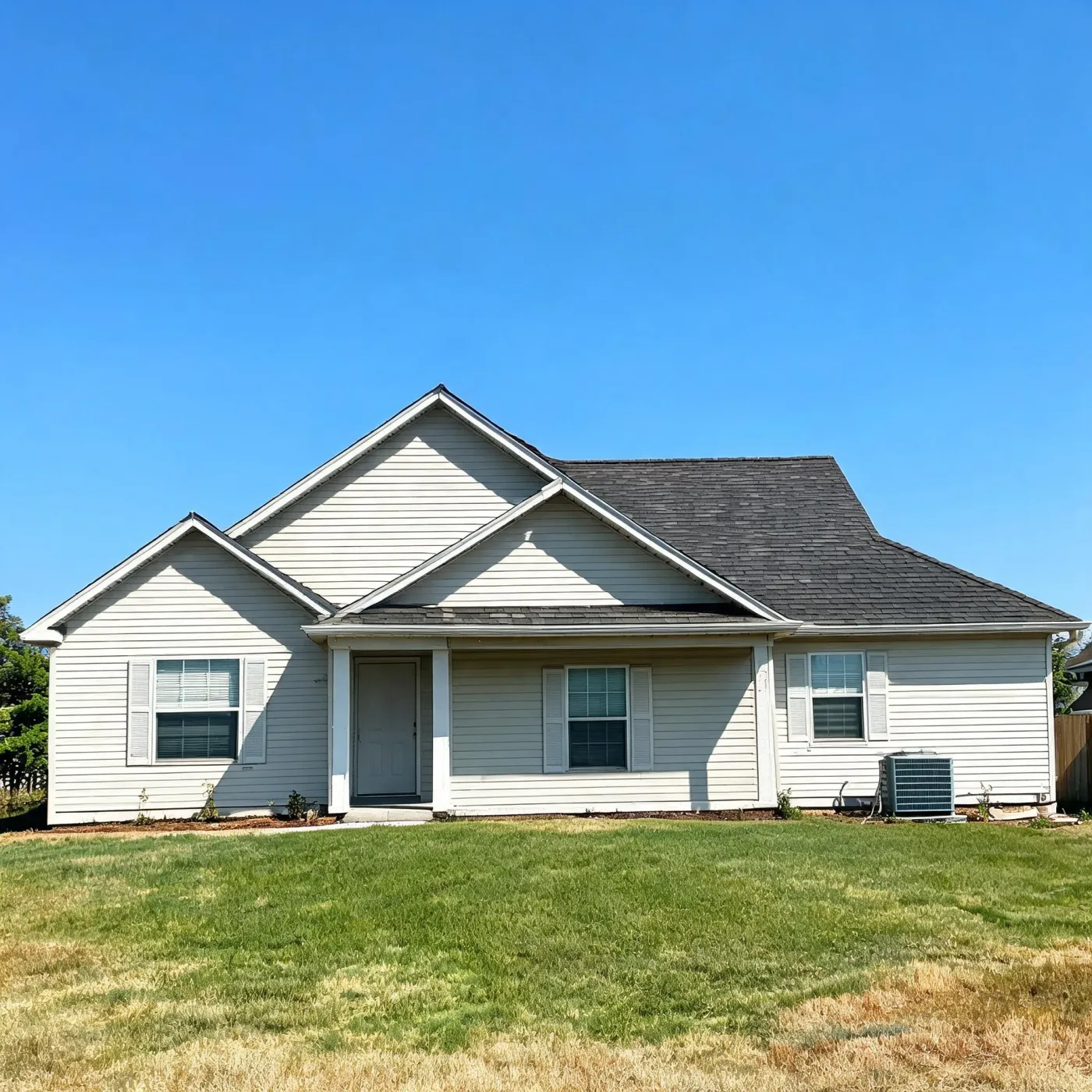
Single-story house with cream vinyl siding, gray shingled gable roof, small front porch with gray door, shuttered windows, and an outdoor AC unit, fronted by a partly dry lawn under a clear blue sky.

A dew point averaged over the Kansas summer tells you more than the temperature does, and this one sits at 64°F across June, July and August. At that level the air feels heavy, and your mini split isn't just cooling it, it's wringing the moisture out too. That extra pass is what keeps the compressor running longer stretches instead of cycling off like it would on a drier day. You'll notice it in the indoor head: it seems to run almost constantly through the sticky weeks, even when the thermostat says the room is already cool.

NASA POWER T2MDEW county cells weighted by homes

Is your mini split holding up the way it should?

Walk past the outdoor unit and listen. A compressor that used to cycle on and off now runs long stretches without stopping, especially on the sticky afternoons. Inside, the head might blow air that feels less cold than it did last summer, or take longer to pull the room down to the temperature you set. Check the filter if you haven't in a while. If it's gray with dust or the coil behind it looks matted, the unit is working past what it should have to just to keep up. Left that way through another Kansas summer, the compressor carries the extra load every time it runs, and that's the part that decides how many more summers you get before replacement is the only option left.

A white wall-mounted mini-split air conditioner installed near the ceiling on a light-colored interior wall, with a window and green foliage visible at the left edge.

Clean and clear

A clean mini split like this one pulls air through an open filter and a clear coil, so the compressor cycles on, catches up, and shuts off. It only runs as long as the room actually needs cooling. That's what lets it reach 15 years or more here.

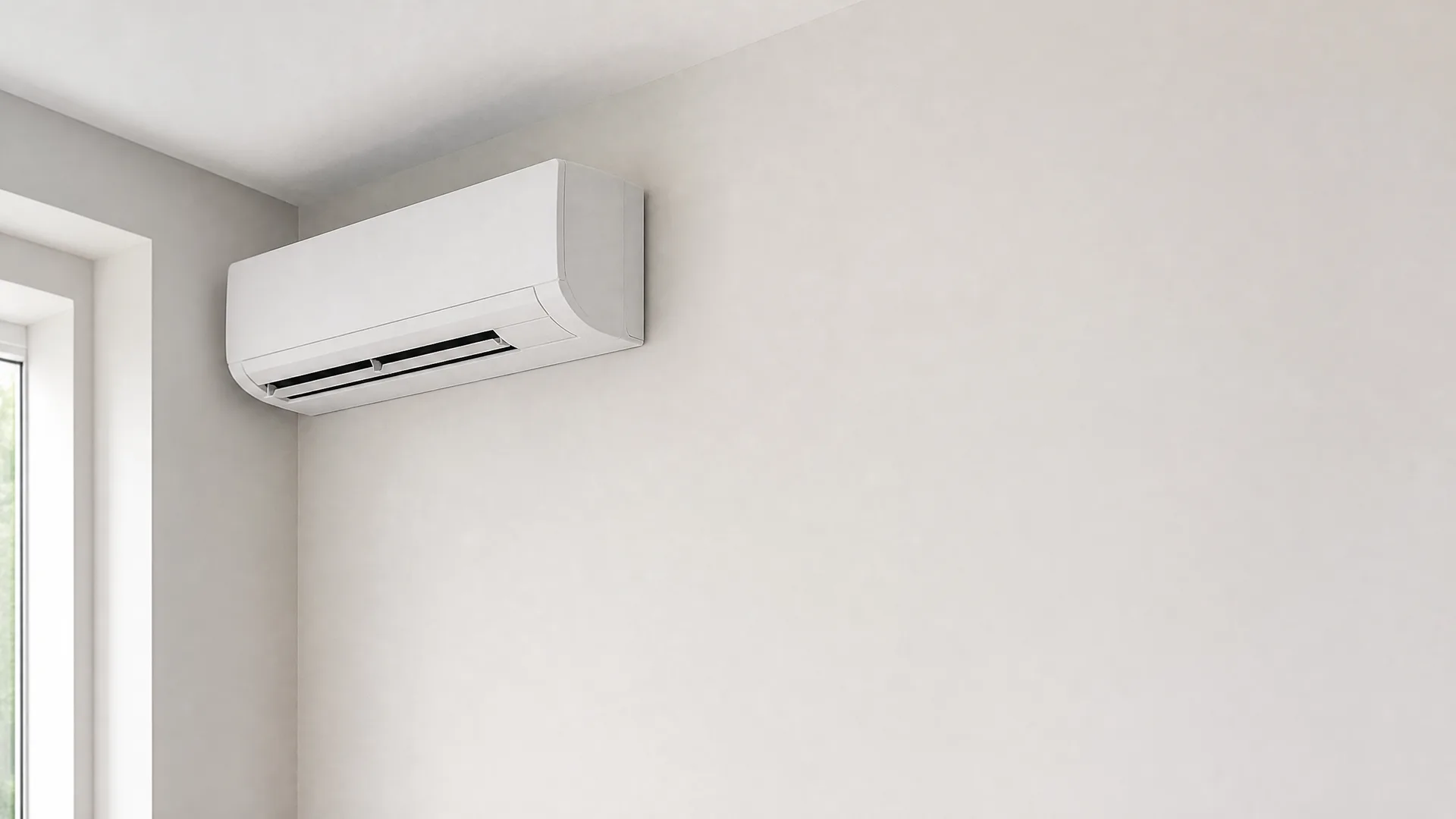
A dusty white wall-mounted mini-split air conditioner indoor unit installed high on a beige interior wall below a white ceiling and trim.

Dirty and overworked

Dust packed into the vents and grille like this blocks airflow before it ever reaches the coil. The compressor runs long stretches instead of cycling, trying to move air through a unit that's half clogged. That strain is what wears out a compressor years early.

Power costs 14.44 cents per kilowatt-hour statewide

At 14.44 cents per kilowatt-hour statewide, every extra hour your compressor runs on a muggy afternoon shows up on the bill. A unit straining through dirty filters or a blocked coil pulls more power to do the same job, so keeping it clean pays twice: it lasts longer and costs less to run.

EIA-861 2025 statewide residential average

A white wall-mounted mini-split air conditioner installed high on a plain light-colored interior wall near a corner, with a window frame at the left edge.

Installing a new system

A mini split installed by someone who sizes it right for the room and sets the refrigerant charge to spec starts its life the way it's supposed to. The line set gets brazed and pressure tested instead of just connected. The indoor head goes where it can actually reach the whole room, not just the nearest wall. Get that part right and the compressor isn't fighting a bad setup on top of a Kansas summer. That's the difference between a system that reaches 15 years and one that struggles from the first July.

A white wall-mounted mini-split air conditioner installed near the top of an interior corner wall, with large blank light-colored wall space to the left.

Replacing a failing one

When a compressor finally gives out or a board fails, a straight swap of the old unit isn't always the right call. A contractor who installs these in Kansas can tell you if the old line set is still good or if it needs replacing too, and whether the new unit should be sized differently than what's there now. Skipping that check to save a step is how a new system ends up with the same problems as the one it replaced, sticky summer after sticky summer.

A mini split installed correctly in Kansas and kept up with clean filters and clear coils can reach 15 years or more, even with the compressor working through every sticky summer. Skip the upkeep, or start with an install that was never sized or charged right, and you can be replacing it well before 12. The installation is where that whole stretch of years either starts right or starts wrong. A contractor who works on mini splits all summer here, not just furnaces, knows how to size the unit for the room and set the charge to spec, and knows what tends to fail first on a system running this hard. You'll be matched with one licensed local contractor for your installation, not a handful of companies calling about it. Get that part done right and the rest of what keeps a mini split running long in Kansas is just filters and coils.

A single-story stone-clad house with low-voltage path lights along a gravel bed and lawn at dusk, with a tree line and orange sky on the horizon.

Mini Split Installation

One request and it's handed off

New system or replacementMini-splitKansas
Step 1 of 2

What ZIP code is the job in?

  • A beige upholstered armchair with an olive cushion sits in a sunlit corner beside a wooden side table holding a ceramic vase with leafy branches, under a framed abstract artwork, on a woven rug over a wood floor.
    • Get in touch with a local installer about a new mini split.
    • A local installer who puts in mini splits gets your project.
  • A gray outdoor condenser unit on a concrete pad surrounded by dark gravel, beside a dark wood-sided wall with an electrical disconnect box and a stone veneer wall with a small evergreen shrub.
    • Send the request and finding a pro stops being your problem.
    • After this form, you can stop searching for a mini split pro.
  • A beige upholstered oversized armchair with a matching cushion and a knit throw draped over one arm, beside a round wooden side table holding a vase of greenery near a curtained window, with a framed landscape print on the wall and a woven rug on a wood floor.
    • Describe the project once instead of to every installer.
    • Skip collecting and comparing quotes for the new mini split.
  • Sunlit living room corner with a beige upholstered sofa, cushion and knitted throw, a round wooden side table holding a white ceramic vase of leafy branches and a small wooden bowl, a framed landscape painting on the wall, and a window at right.
    • The pro who reaches out is licensed in Kansas.
    • Only one pro gets your request, so you hear from one company.