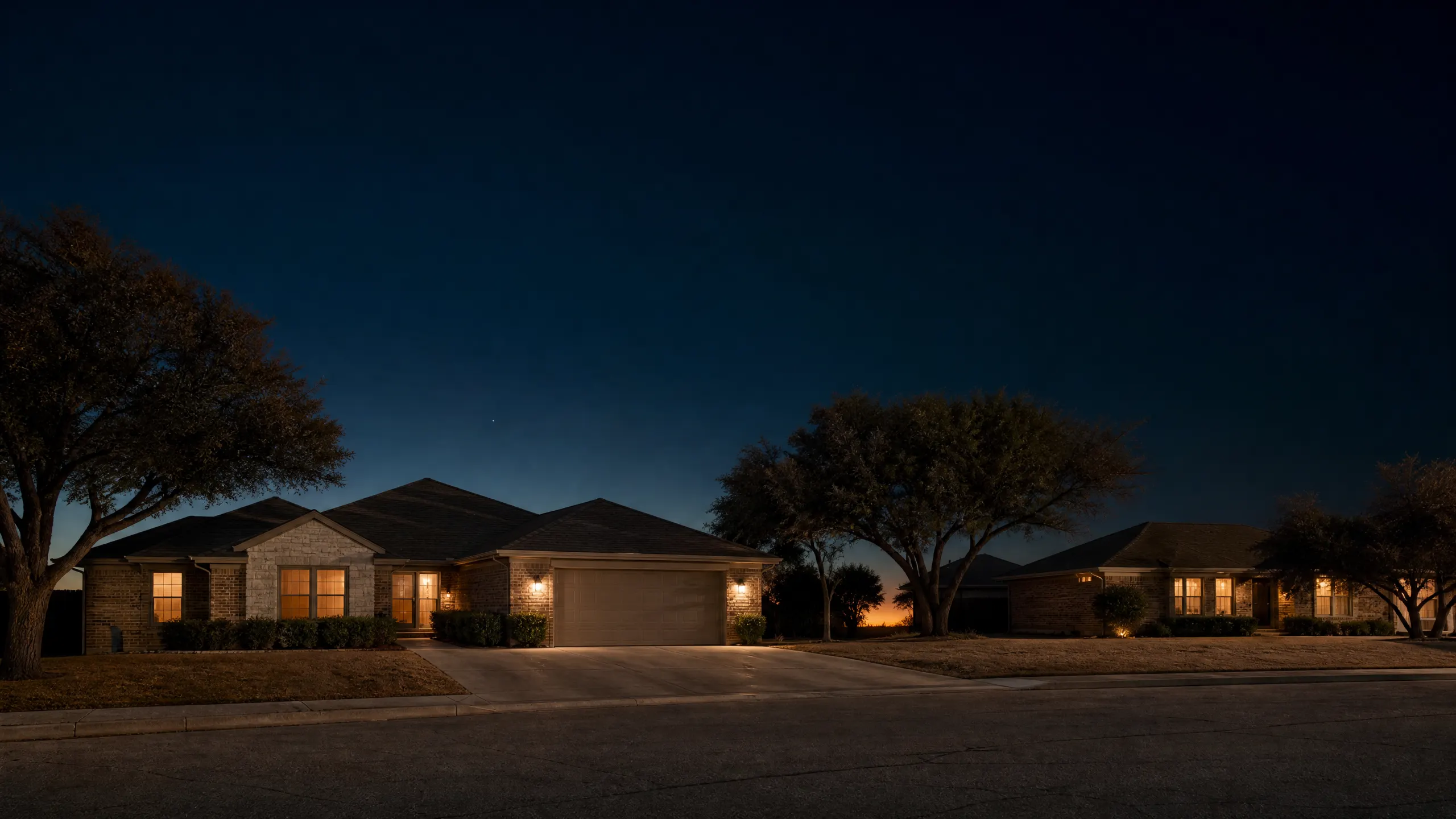






A single-story brick house with a two-car garage photographed at dusk, with interior lights glowing through the windows and trees on either side.

AC Repair in Baxter Springs, KS

Tell us about the job

Takes about a minute. No obligation.

RepairCentral ACCherokee County, KS
Step 1 of 2

What ZIP code is the job in?

Your AC runs five months straight here, May through September, with afternoon highs averaging 89 in June, July and August. That's a long stretch of hard running, and it wears on a system faster than people expect. The capacitor, the contactor, the fan motor, all of it works harder from the heat and the hours, not just from age. Cherokee County also sees a lot of hail, and a dented condenser coil or bent fins can cut your system's airflow long before anyone notices a drop in cooling. If something's acting up now, there's usually a reason tied to the load this system carries. A proper diagnosis finds that reason instead of guessing at it.

5 months
May through September, your air conditioner is on duty
89°F
the average summer afternoon it cools against
73 hail events
in ten years, and hail bends the fins on outdoor coils
76 wind events
in ten years, and wind drives debris into outdoor units
Isometric line illustration of a cutaway house showing interior rooms with furniture, ductwork leading to an indoor air handler, and an outdoor condenser unit connected by a line set.
Your air conditioner works hardest from June through August.

NOAA nClimDiv, 1991–2020 normals

AC season here starts in May, after April's mild weather.

A weak part usually waits for that first real heat before it gives out.

Half the homes in Baxter Springs were built in 1966 or earlier

Half the homes here were built by 1966
Cooling runs May through September
Summer afternoons average 89°F
Running an AC here costs moreKansas homes paid 14.15 cents per kilowatthour in 2024, and a struggling system burns through more of it.

Cherokee County logged 158 severe weather events between 2015 and 2024, most of them wind and hail. Your outdoor unit sits right in the path of both. Hail dents a coil or bends the fins without stopping the system from running, so it keeps cooling for a while before anyone notices it's working harder than it should. If a storm came through recently and the AC is acting up now, have the coil and fins checked even if the system still turns on. Tornadoes have touched down here too, and a unit that takes a hit from flying debris does not always show it right away.

Find out what's actually wrong before it gets worse

A system that runs five months straight under 89 degree afternoons doesn't fail without a reason. If yours is acting up, get that reason found before the next hot stretch puts more strain on it.

Find a contractor
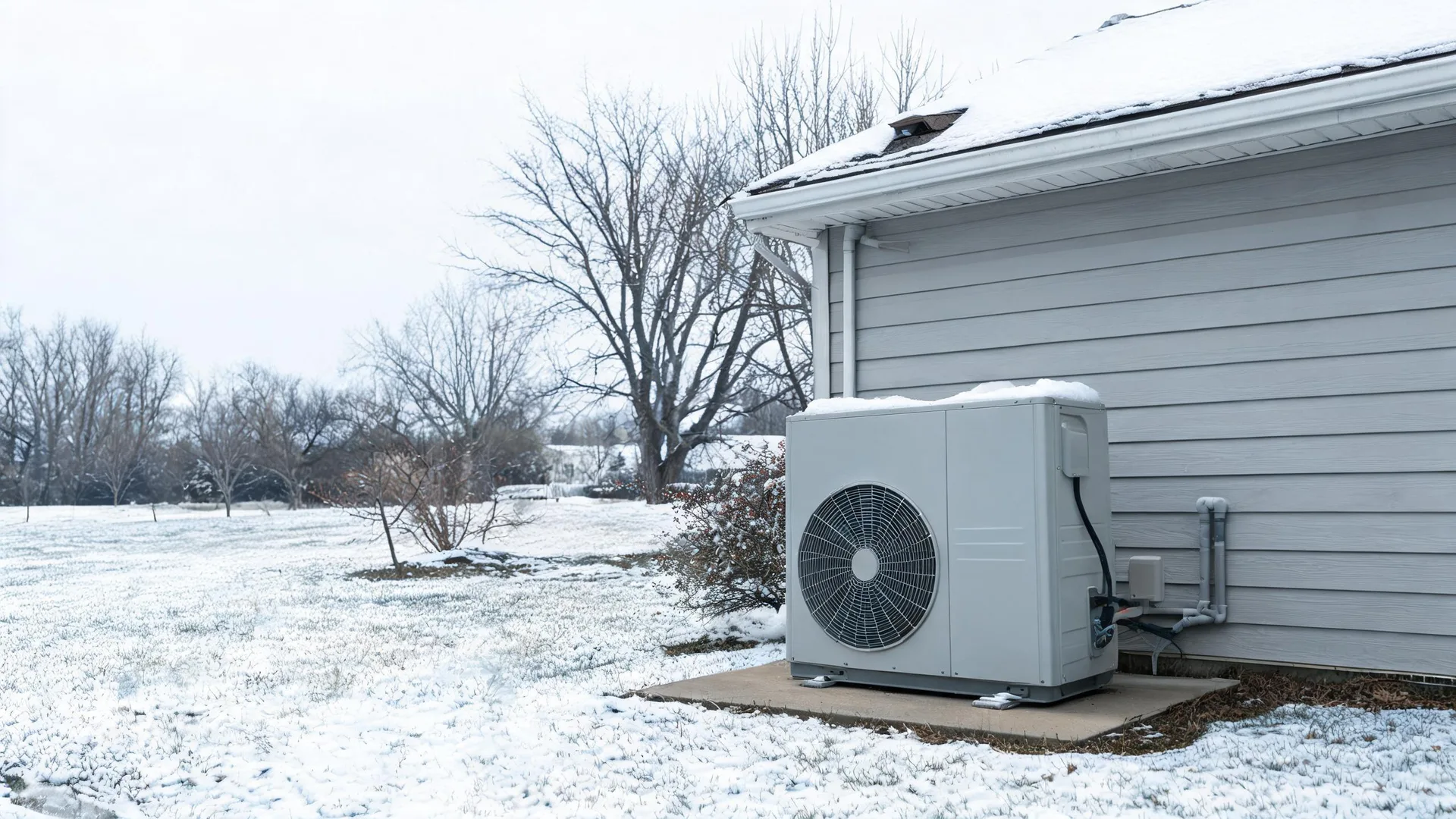
A gray residential air conditioner condenser unit mounted on a concrete pad in an open grass field.

Ask how much life is left before you spend on it

If your AC came with the house, ask the contractor how much life it has left before paying for a repair. A unit with years ahead of it is worth fixing. One that's near the end of its life is a different decision, and you want to know which one you're making before the money is spent.

A weak part drags down the ones around it

A struggling capacitor makes the compressor pull harder to start. A dirty coil makes the fan motor run longer to move the same heat. The system doesn't fail one part at a time and stop there. The part under strain passes that strain to whatever runs alongside it, and the breakdown spreads instead of staying put.

Waiting turns a repair into bigger work

A compressor that keeps starting against a bad capacitor eventually burns out, and the compressor is what the rest of the system depends on. A refrigerant leak left alone lets the compressor run low on charge, which wears it down the same way. Shutting the system off and getting it looked at protects the compressor from damage that can't be undone once it happens.

An overhead view of a residential air conditioning condenser unit mounted on a concrete pad next to a house with vinyl siding.

A new air conditioner would cut about $30 a year off cooling for a typical Cherokee County home.

  • A new one at the federal minimum, 13.4 SEER2$370 a year
  • An older air conditioner$400 a year

Estimates for a typical Cherokee County home, compared with an older unit built to the previous federal minimum, from EIA household energy data, Kansas fuel prices and NOAA climate normals. Your home will differ.

Repair makes sense when a part like a capacitor or contactor has failed.

Replacement makes sense when the compressor has failed or the system uses R-22 refrigerant, which is no longer made.

A diagnostic visit starts with what the system is doing, or not doing, before any panel comes off. Warm air from the vents, a system that won't start, one that short cycles, a smell, a sound. That complaint points to a handful of likely causes, and the tech checks those first instead of taking the whole unit apart. Gauges go on to read the refrigerant charge and pressures. The capacitor and contactor get tested under load, since both can look fine sitting still and fail the moment the compressor tries to start. The coil and fins get a look too, since restricted airflow shows up in the readings before it shows up as warm air in the house. Once the reading points to a cause, the tech can say what's failing and what it takes to fix it, rather than swapping parts and hoping.