

Running the way it should
This is a unit keeping up with its work. The lines stay wrapped, the pad sits level, and the disconnect box is clean. Nothing here is straining, and in an Arkansas City summer that's worth noticing.
Most air conditioners in Arkansas City last 12 to 15 years. The long, muggy summers here push the system hard, since it runs for months at a time instead of a few weeks, and that steady workload wears down the compressor and the outdoor fan motor faster than it would somewhere milder. A unit that's kept up with regular service tends to land near the far end of that range, while one that's been neglected, or sized wrong for the house, can start struggling by year 10. If yours is getting past 12 years old, running loud, or needing a repair more than once a season, that's the point to start thinking about what comes next rather than waiting for it to fail on the hottest day of July.

The box fan does nothing but move the hot air around. It's past eight and still bright out, the kind of June evening that doesn't cool off until well after dark. You've checked the thermostat twice, like it might read different the second time. Downstairs the unit is running, you can hear it kick on and off, but up here the air just sits heavy against the window screen. Your son has kicked the sheet to the floor. You stand in the doorway a minute, feeling the room instead of looking at it, trying to decide if this is the house or the system, and how many more nights like this one you've got before it's one or the other for good.
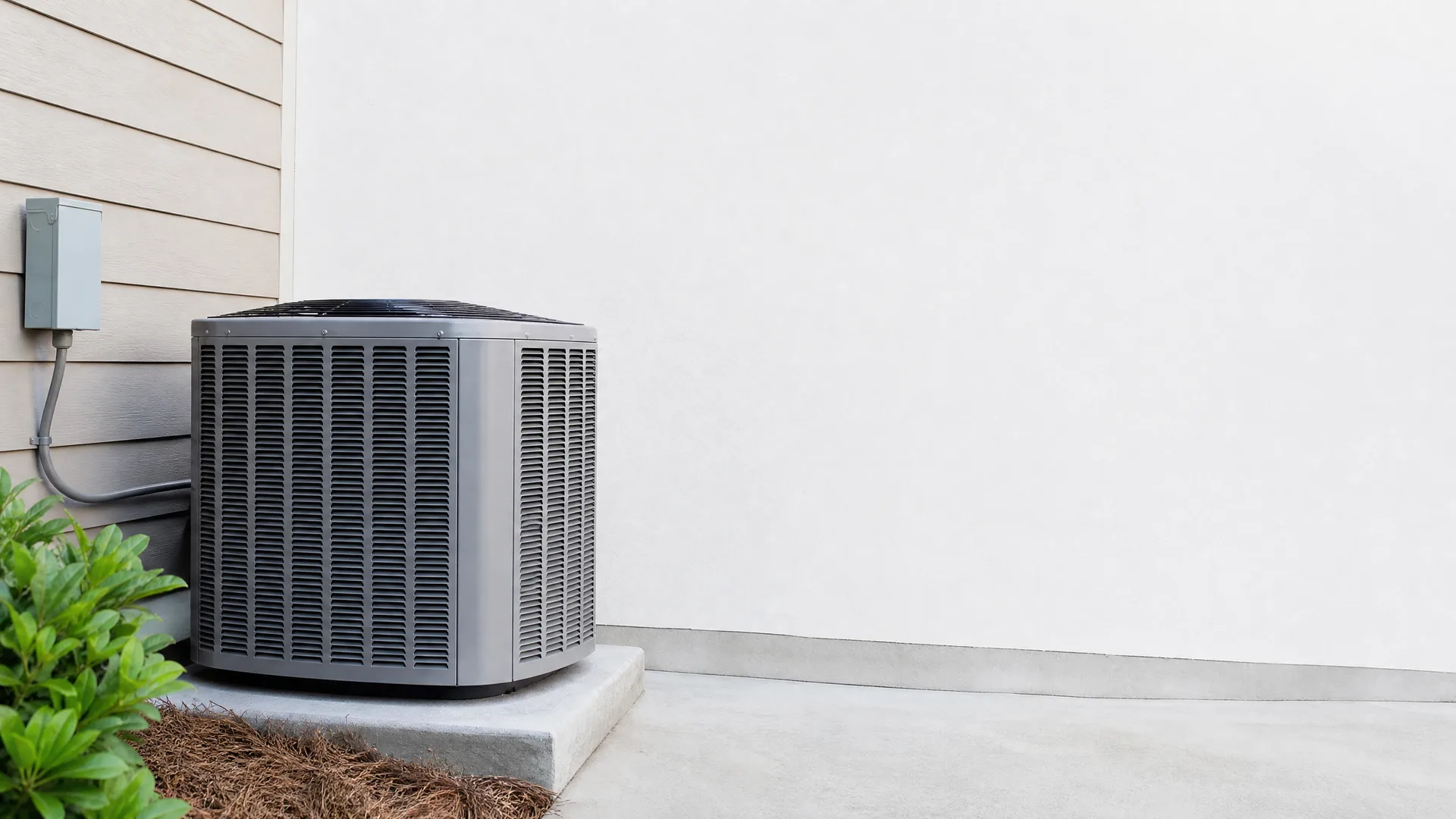
The compressor sits outside and does the real work of moving refrigerant under pressure. On a 95 degree day it has to run long stretches just to keep up, and every extra degree outside adds strain to the motor windings. Units here cycle on for hours at a stretch through July and August instead of running in short bursts, and that steady load is what wears a compressor down years before a cooler climate would.
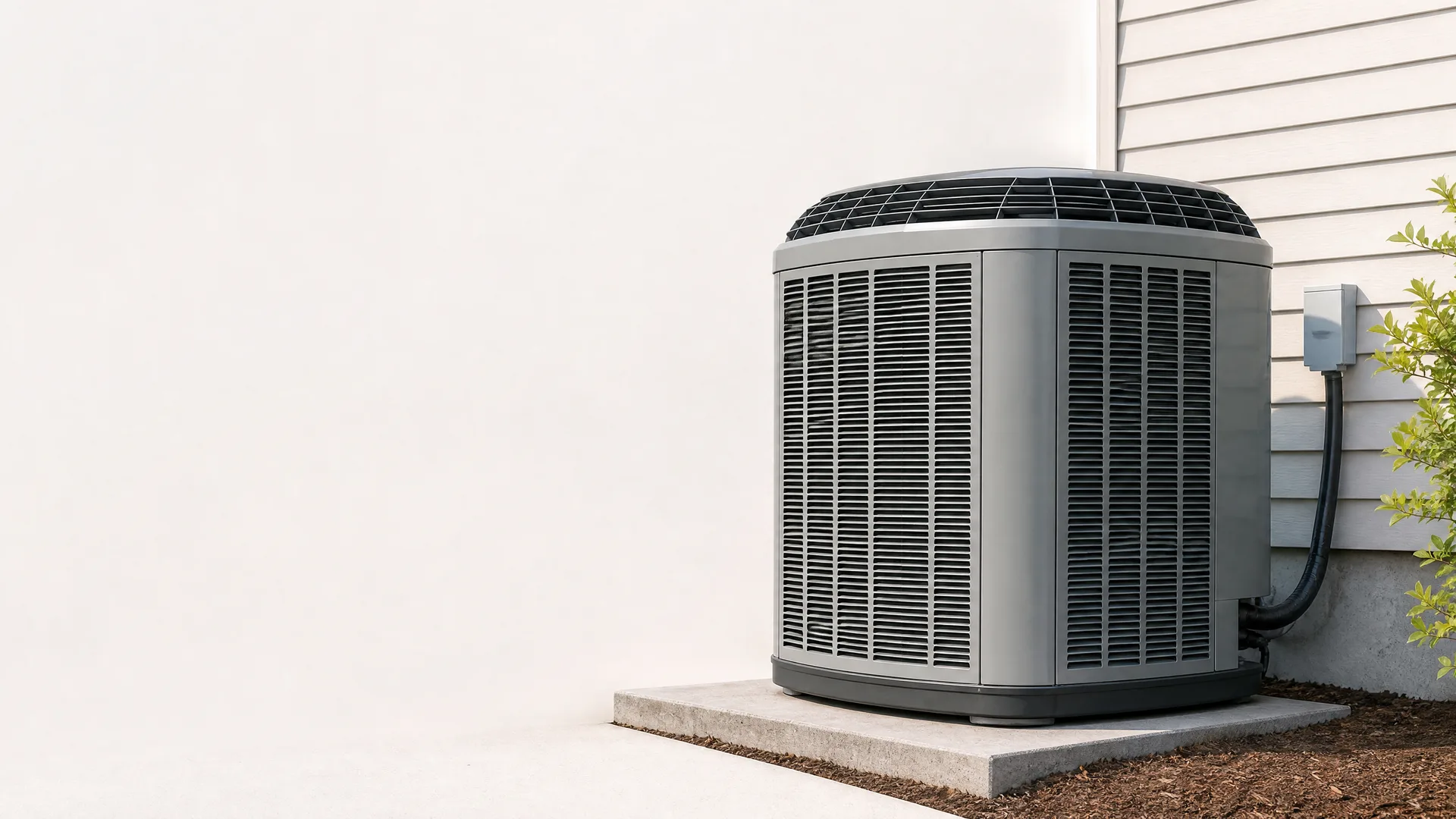
The outdoor fan motor pulls air across the condenser coil to dump the heat the refrigerant is carrying. If that coil is dirty or the fan is weak, the whole system works harder to do the same job, and the compressor pays for it. A unit that gets its coil cleaned and its fan checked before summer starts has a better shot at reaching the far end of that 12 to 15 year range instead of the near end.

The compressor gets the attention, but the outdoor fan motor often fails first. It runs every time the compressor does, spinning constantly through a long Arkansas City summer to pull heat off the coil. Bearings wear, the motor windings heat up over years of long runtimes, and eventually it seizes or draws too much current and trips out. A failed fan motor can take the compressor down with it, since heat has nowhere to go once the air stops moving across that coil.
The other common failure is the capacitor, a small part that gives the compressor and fan motor the jolt they need to start. It weakens with heat and age, and when it goes, the unit hums but won't start, or shuts off a few seconds in. Knowing which of these it is matters, because a contractor diagnosing your system will check the capacitor and fan motor before assuming the compressor itself is the problem. Getting matched with one who knows what to look for first saves a visit spent guessing.





If your AC in Arkansas City is past 12 years and starting to struggle, you're at the point where repair and replacement are both live options, and it helps to have someone look at the actual unit before you spend money either way. A technician can tell you if the compressor is still sound or if it's on borrowed time, what a repair would buy you, and what a new system would run. Getting that answer yourself means calling around Cowley County, explaining the same symptoms to every company, and sitting with quotes that don't line up because nobody looked at the same thing. Handing that off means one contractor who serves your area gets your request and calls you with answers specific to your unit, not general ranges. You still get to decide. You just get to decide with real numbers instead of guesses, and without spending your evenings on the phone to get them.

This is a unit keeping up with its work. The lines stay wrapped, the pad sits level, and the disconnect box is clean. Nothing here is straining, and in an Arkansas City summer that's worth noticing.

Weathering like this on the cabinet usually means the parts inside have logged plenty of hours too. After a dozen summers of long runs, a unit can still look fine up close and still be close to done. The casing tells you what the compressor's been through.



The coil grilles are open, so air moves through the way the unit needs. The pad is level, the gravel bed keeps weeds and grass clippings away from the cabinet, and the disconnect box is free of grime. A unit kept this way runs cooler and hits its full 12 to 15 years.

Dirt and debris have built up on the coil grilles, and the conduit and disconnect box are catching grease and dust too. A coil caked like this can't shed heat the way it should, so the compressor runs longer and hotter to do the same job, and that shortens the years it has left.
Maybe it's running longer than it used to, working through the afternoon and into the evening without much of a break. Maybe you've noticed the air coming out of the vents isn't as cold as it was last July, or one room stays warm no matter where you set the thermostat. You might hear a rattle outside near the unit, or notice it cycling on and off more than it should. Your power bill climbing past what a June or July usually runs is another sign worth paying attention to. None of this means the system is done, but ignored long enough, a struggling AC can leave you without cooling on the worst week of summer, and that's a hard thing to go without here.
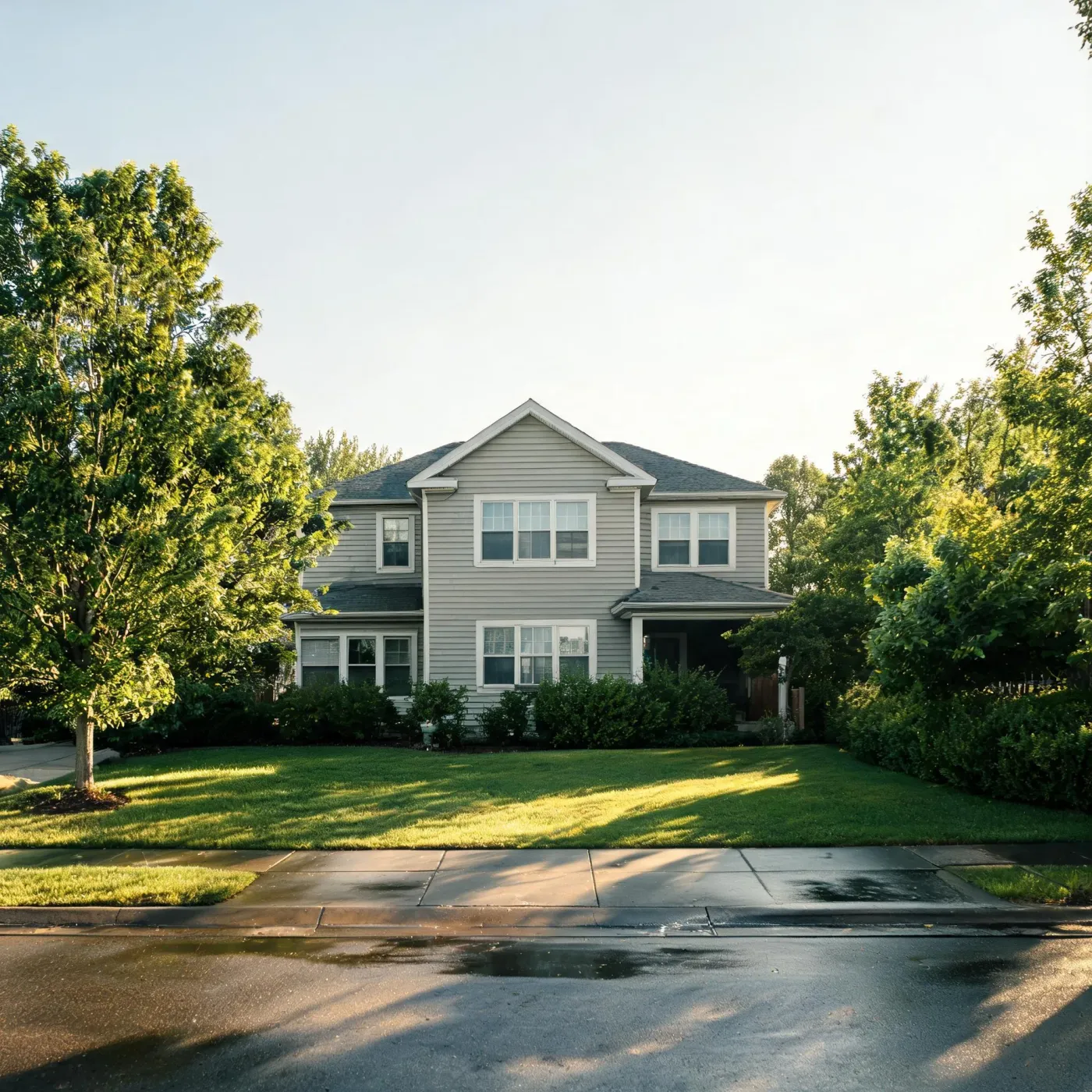
NOAA data puts the average summer dew point in Cowley County at 66°F, which is the sticky end of the scale. Air that heavy holds onto its moisture, so your air conditioner has to pull more of it out of the house before the thermostat can even start dropping. That's extra run time on top of the heat itself. You'll notice it as a system that cycles on and stays on, even on days that don't feel like the hottest of the year, because humidity alone is making it work. Over a full summer that adds hours the compressor and fan motor wouldn't log in a drier climate.
NASA POWER T2MDEW




That's the typical run for an AC in Arkansas City when it gets regular upkeep and isn't fighting a bad install or an undersized system from the start.
Skipped maintenance, a unit sized wrong for the house, or a long run of summers without a tune-up can take a system down well before year 12.
Five months of that is May through September, which is most of the year your system actually works for a living. The rest of the year it's idle, so almost all the wear your unit takes happens in this one stretch.
NOAA nClimDiv 1991-2020
Twelve to fifteen years is the range for Arkansas City, and nearly all the wear behind that number comes from five months of summer heat and humidity working the compressor and fan motor hard. A unit that's been cleaned and serviced on a regular schedule tends to land at the far end of that range. One that's been neglected, or was sized wrong for the house from the start, can wear out well before 12 years no matter how well it was built.
If your unit is past that age and you're noticing it struggle, the only honest answer comes from looking at the compressor and coil directly. A unit's age tells you where it stands in the range, not what to do next. That depends on what's actually happening inside the cabinet, and that's not something a thermostat reading or a guess over the phone can tell you.
That's usually where the time goes: calling around to find someone who can look at it, explaining the same symptoms to two or three different contractors, then sitting with quotes that don't quite match up to figure out who's telling it straight. None of that gets your air any colder. Getting matched with a contractor who knows Arkansas City systems skips past that part, straight to someone looking at your unit and telling you what shape it's really in, so the repair or replace decision is based on what's true of your compressor and coil, not on how old the unit happens to be.


Skip collecting and comparing quotes for the new air conditioner.
Sending the form costs nothing.