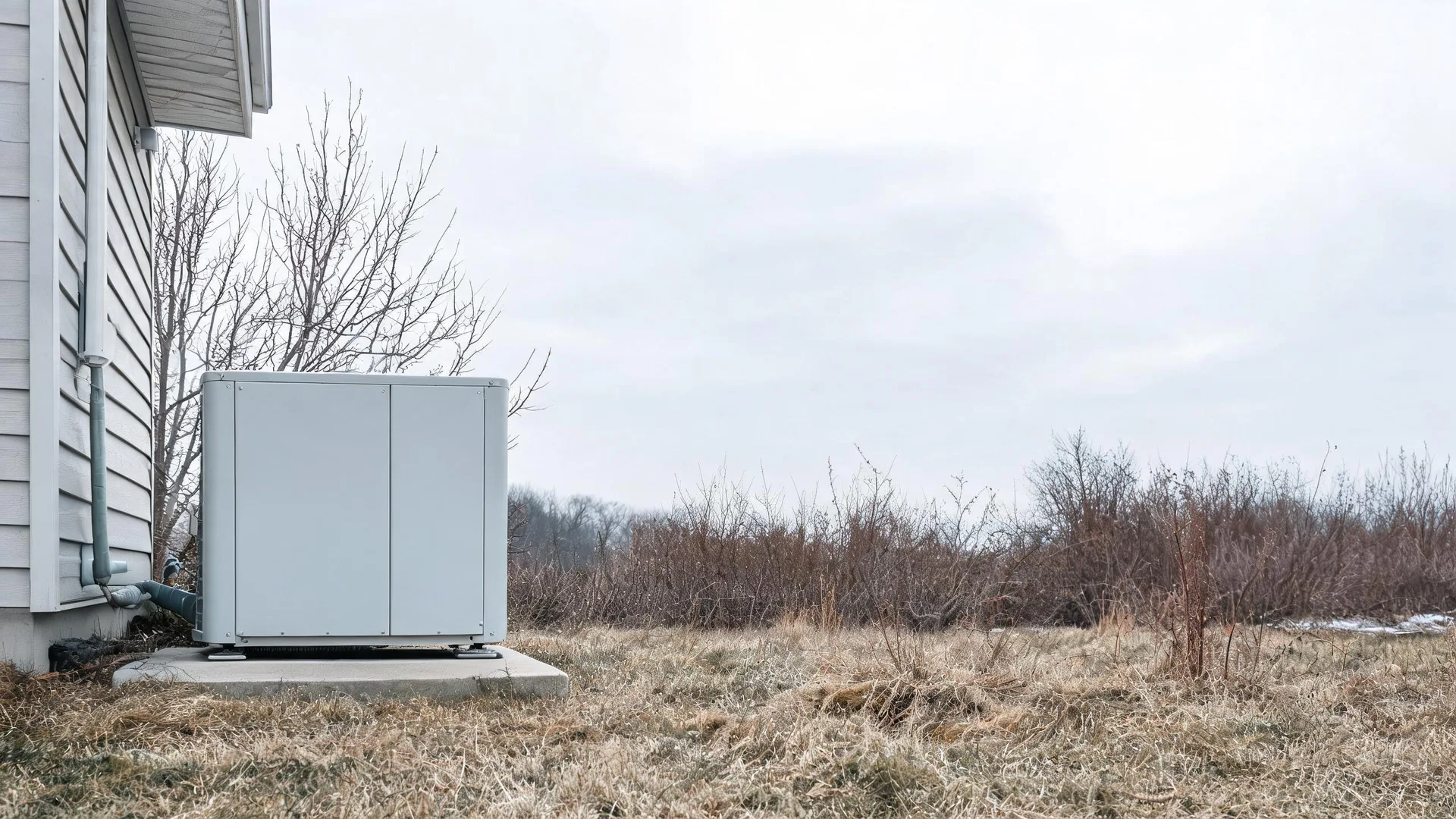
Four months of real work
AC in Hiawatha runs June through September, with afternoon highs averaging 86°F. That's enough to wear out a capacitor or run a low refrigerant charge down further, but it's not an unusual load for the equipment.
Takes about a minute. No obligation.
AC in Hiawatha runs June through September, with afternoon highs averaging 86°F. That's enough to wear out a capacitor or run a low refrigerant charge down further, but it's not an unusual load for the equipment.
A system that's short cycling, blowing warm, or struggling to keep up is usually dealing with a problem any AC in a climate like this one runs into. A straightforward repair is the likely outcome, not a sign something bigger is wrong with the unit.
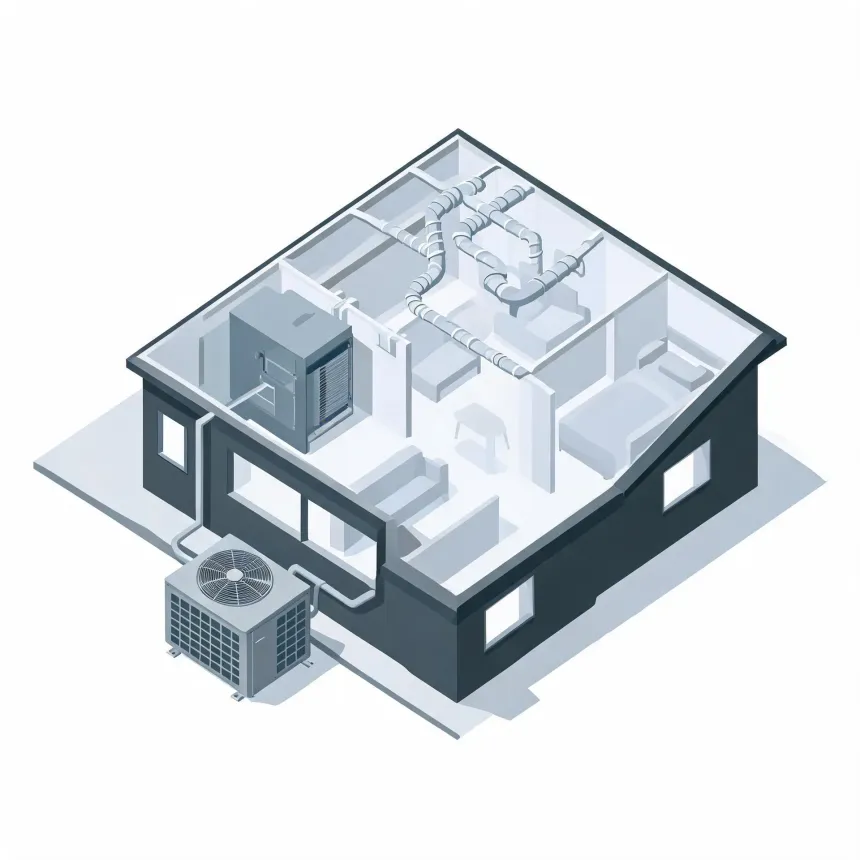
NOAA nClimDiv, 1991–2020 normals
AC in Hiawatha starts working in June.
May is the month to get a weak capacitor or low charge looked at, before the first hot stretch finds it.



Electricity in Kansas ran 14.15 cents per kilowatthour in 2024. A struggling AC doesn't just cost more to run that way, it costs more to fix, since a compressor working against a low charge or a bad capacitor puts strain on parts that aren't the actual problem. That's the case for calling someone when you first notice the trouble, not after a few more weeks of it running hard. Most repairs on a unit like this are the same ones a tech in any town with a summer like Hiawatha's sees every year. There's no reason to expect yours is different.
If your AC came with the house, ask whoever comes out how much life is left in it before signing off on a major repair. On a system that old, that answer matters as much as the fix itself.
Find a contractor
Cut the power at the thermostat or the breaker before you touch anything outside. Pull the outdoor cover off and look at the fan. If it's not spinning but you hear a hum, that's usually the capacitor, not the motor. A dirty outdoor coil can choke the whole system, so check for grass clippings, cottonwood fluff or leaves packed into the fins and hose it out from the inside if you can get to it. Inside, pull the filter and hold it up to a light. If you can't see through it, that's airflow the system isn't getting, and it'll run harder because of it. Check the vents in every room are open and nothing's blocking them. Look at the drain line near the indoor unit for a clog or standing water, since a tripped float switch from a clogged line will shut the whole system down on purpose. If the thermostat has a screen, make sure it's actually calling for cooling and the batteries aren't dead. None of this fixes a bad compressor or a refrigerant leak, but it rules out the simple stuff before anyone drives out to look at it.
The system runs longer to hit the same temperature, or it doesn't hit it at all. Air comes out of the vents but it's not cold the way it used to be. You hear the outdoor unit click and try to start, then click off again, which is a compressor trying to run against something it can't push through. Ice on the indoor coil or the line running outside is a sign of airflow or charge trouble, not a sign the system is working hard.
A grinding or screeching sound from the outdoor unit usually means a fan motor bearing is going. A loud buzz with no fan movement points to the capacitor. Rattling that comes and goes is often something loose in the cabinet rather than a part failing outright. None of these fix themselves, and running the system while they're happening tends to turn a small repair into a bigger one.
Estimates for a typical Brown County home, compared with an older unit built to the previous federal minimum, from EIA household energy data, Kansas fuel prices and NOAA climate normals. Your home will differ.
Repair makes sense when a part like a capacitor or contactor has failed.
Replacement makes sense when the compressor has failed or the system uses R-22 refrigerant, which is no longer made.
A tech weighing repair against replacement is really asking one question. Is the compressor still good. The compressor is the part that can't be swapped out cheap, and it's the part a low charge or a dirty coil slowly wears on if the problem sits too long. Capacitors, fan motors and contactors get replaced on old systems and young ones alike, and doing so is just maintenance, not a sign the unit is failing. A refrigerant leak is a different question. Finding it matters more than patching it, since a system that's lost its charge once tends to lose it again. If the compressor itself is short cycling or failing to start under its own power, that's the repair worth thinking hard about before paying for it.