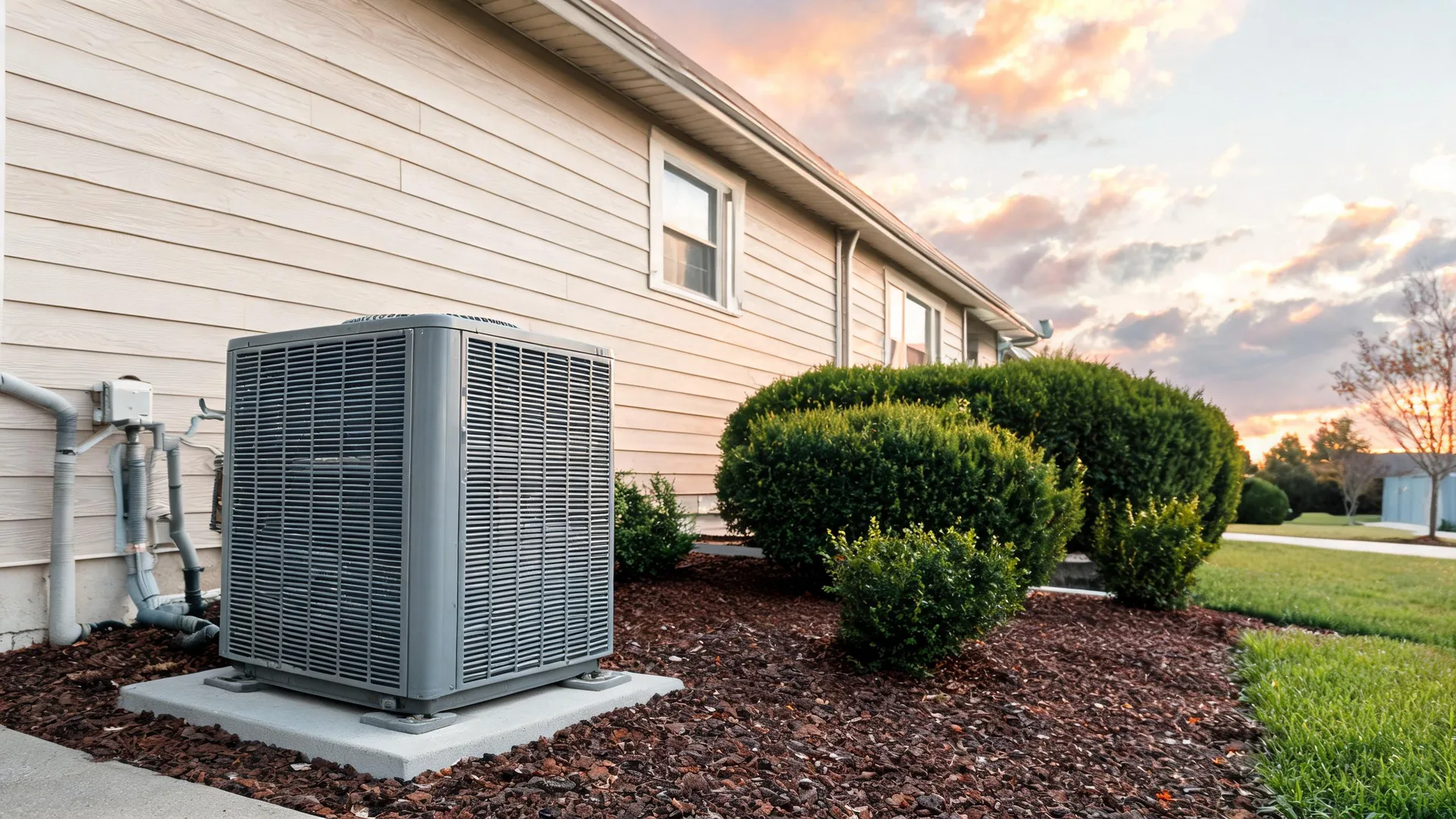
May is when weak parts fail
Cooling in Iola starts in May after sitting idle since September. A capacitor or contactor that was already marginal last fall often can't handle the first real load of the season.
Takes about a minute. No obligation.
Cooling in Iola starts in May after sitting idle since September. A capacitor or contactor that was already marginal last fall often can't handle the first real load of the season.
Checking the system in April, before it has to run, finds a weak part while it's a quick fix instead of a breakdown once the heat sets in.
NOAA nClimDiv, 1991–2020 normals
Check the thermostat is set to cool and the temperature is actually below room temperature before you assume the system is broken.
A dead thermostat display or a breaker that keeps tripping means stop there and call, since forcing it again can damage the compressor.



Nothing about Iola summers asks more of a system than they do anywhere else in this part of Kansas. When a unit struggles here, it's usually one part giving out, not the climate working against it. A failing capacitor, a low charge, a dirty coil. Kansas electricity ran 14.15 cents per kilowatthour in 2024, so a system working harder than it should to cool the house shows up on the bill before it shows up as a breakdown. That's often the first sign something needs a look.
A broken AC here is almost always a worn part, not a sign of anything unusual about the place it's in. Get the real cause found and fixed instead of guessing at it.
Find a contractor
If the repair call this time turns into a bigger quote, that's the question to ask before paying for it. A compressor or coil replacement on a unit that old is money going into a system near the end of its run anyway. Ask the contractor straight how many years they'd expect to get out of it before you commit to the repair.
The blower can still push air even when the system isn't cooling it. If the air coming out feels room temperature or close to it, the compressor isn't running, the charge is low, or the coil is frozen over. Running the thermostat lower won't fix this, and leaving it running can hide a frozen coil until it's dripping water.
A system that shuts off a few minutes after starting is protecting itself from something, usually a bad capacitor, a dirty coil making it overheat, or a refrigerant level that's too low to run safely. Each short cycle puts a hard start on the compressor. Left alone, a short-cycling system usually ends in a compressor that won't start at all.
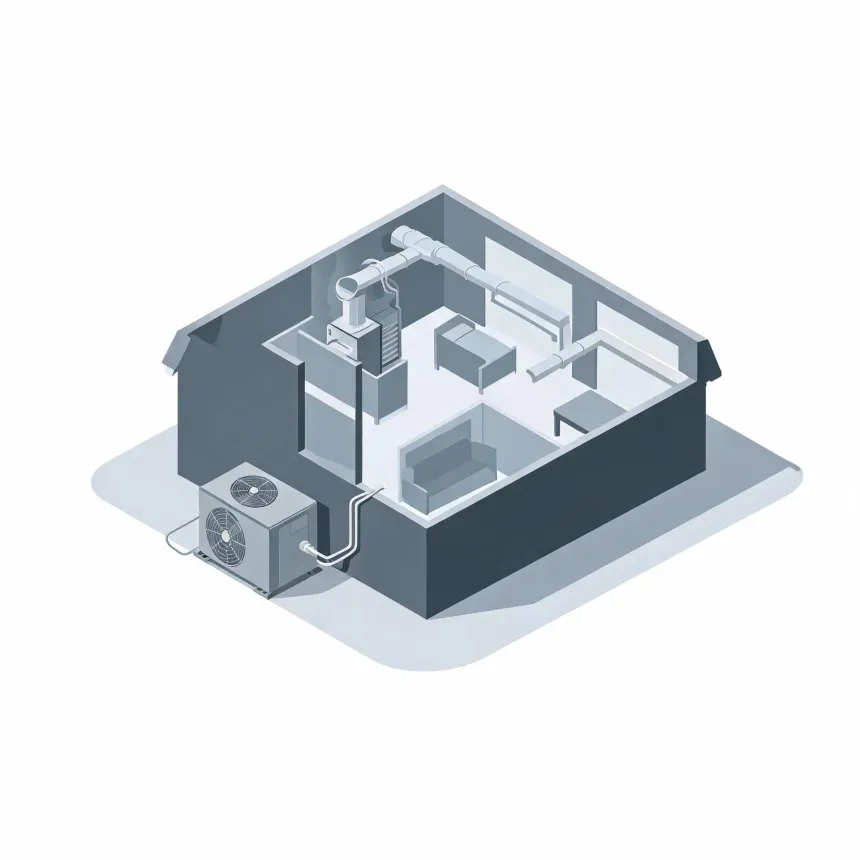
Estimates for a typical Allen County home, compared with an older unit built to the previous federal minimum, from EIA household energy data, Kansas fuel prices and NOAA climate normals. Your home will differ.
Repair makes sense when a part like a capacitor or contactor has failed.
Replacement makes sense when the compressor has failed or the system uses R-22 refrigerant, which is no longer made.
A repair is worth doing when one part failed and the rest of the system is sound. A capacitor, a contactor, a fan motor, these wear out on their own schedule and swapping one doesn't tell you anything bad about the rest of the unit. It's a different story when a contractor keeps coming back for something new each time. That's not bad luck, that's a system running out of good parts to fail. Age matters here too, but alongside the failure, not instead of it. A capacitor going out on an older unit is still a simple fix. A compressor or coil going out on that same unit is a bigger question, since you'd be putting new money into an old system either way. Ask the contractor straight whether the repair will hold or whether it's just buying time. A straight answer either way is worth more than a guess.