Lyon County sees its share of storms
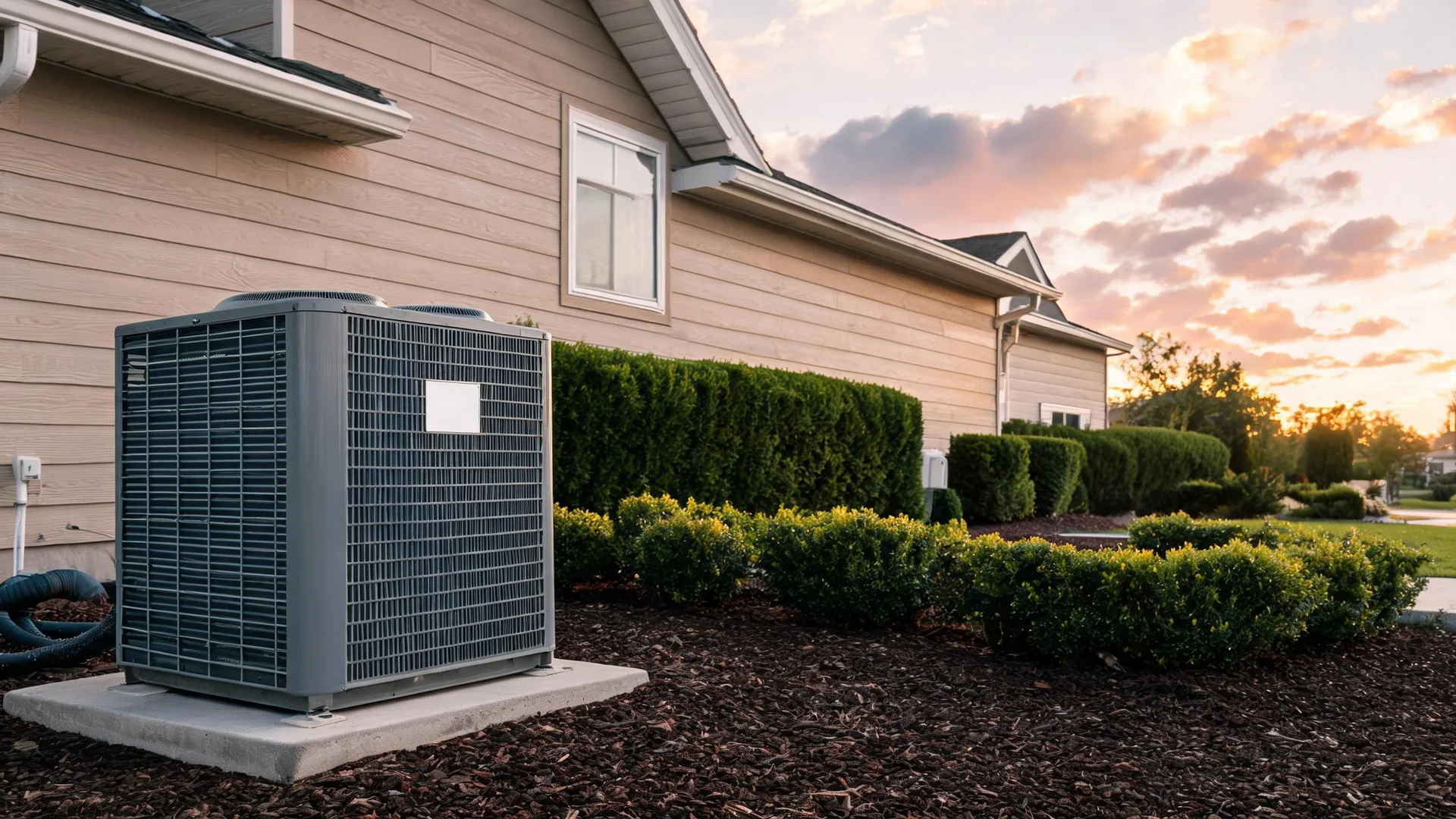
Lyon County logged 194 severe weather events between 2015 and 2024. That includes 90 damaging wind events, 85 hail events, 6 tornadoes and 13 winter storms. An outdoor AC unit sits outside through all of it.

Takes about a minute. No obligation.
Lyon County logged 194 severe weather events between 2015 and 2024. That includes 90 damaging wind events, 85 hail events, 6 tornadoes and 13 winter storms. An outdoor AC unit sits outside through all of it.
Hail dents fins and bends the cabinet. Wind carries branches and debris into the coil. A unit that took a hit last season can still run, but worse than it should. A check before summer catches what the storms left behind.

NOAA nClimDiv, 1991–2020 normals
Half the homes in Lyon County were built in 1970 or earlier.
An AC system in one of these older homes has had more years to develop a problem that a yearly check would catch.




If your house is one of the older ones, a yearly check is the way to find out what's going on before it turns into a breakdown. A technician can tell you how your system is holding up: whether the contacts look worn, whether the refrigerant charge is still right, whether the capacitor is weak. None of that shows up until it fails, usually on the hottest day of the year. Catching it in spring means a repair instead of a replacement, and it means the system is actually ready for the summer ahead.
A unit that took a hit from hail or wind last year can still run, just worse than it should. A tune-up before summer gets a technician's eyes on the coil, the fins and the cabinet, so you know what shape it's in before it has to run.
Find a contractor
Once the heat sets in, the unit runs for four months straight without a break. A check before June is the only time to catch a worn contact or a weak capacitor before the machine has to lean on it every afternoon. Wait until July and you're finding out on a day the system can't afford to quit.
Dust and grime on the outdoor coil keep it from shedding heat the way it should. The compressor has to run longer to get the same cooling, and it runs hotter while it does. Over time that extra strain wears down a part that's expensive to replace and hard to get to on short notice.
A refrigerant charge that's a little low, a capacitor that's starting to weaken, a contactor with a little pitting: none of these stop the system cold right away. They just make it work harder to do the same job. Left alone, the weak part is the one that gives out first, usually under a full load it was never checked against.
A tune-up checks the refrigerant charge, cleans the coils, tests the capacitor and tightens the electrical connections.
A tune-up starts outside at the condenser. The technician cuts power first, then pulls the panel and checks the capacitor and contactor, since those two take the most wear starting the compressor over and over. The coil gets cleaned if it's dirty, because anything coating those fins makes the whole system work harder to dump heat. Refrigerant gets checked against what the system calls for, not topped off out of habit. Inside, the evaporator coil and the drain line get a look too, since a clogged drain backs up and can shut the system down on its own. Last comes the thermostat and a run cycle, watching how the system starts, how it cools, and how it shuts off, because a unit that struggles on any one of those three is telling you where the next failure is coming from.