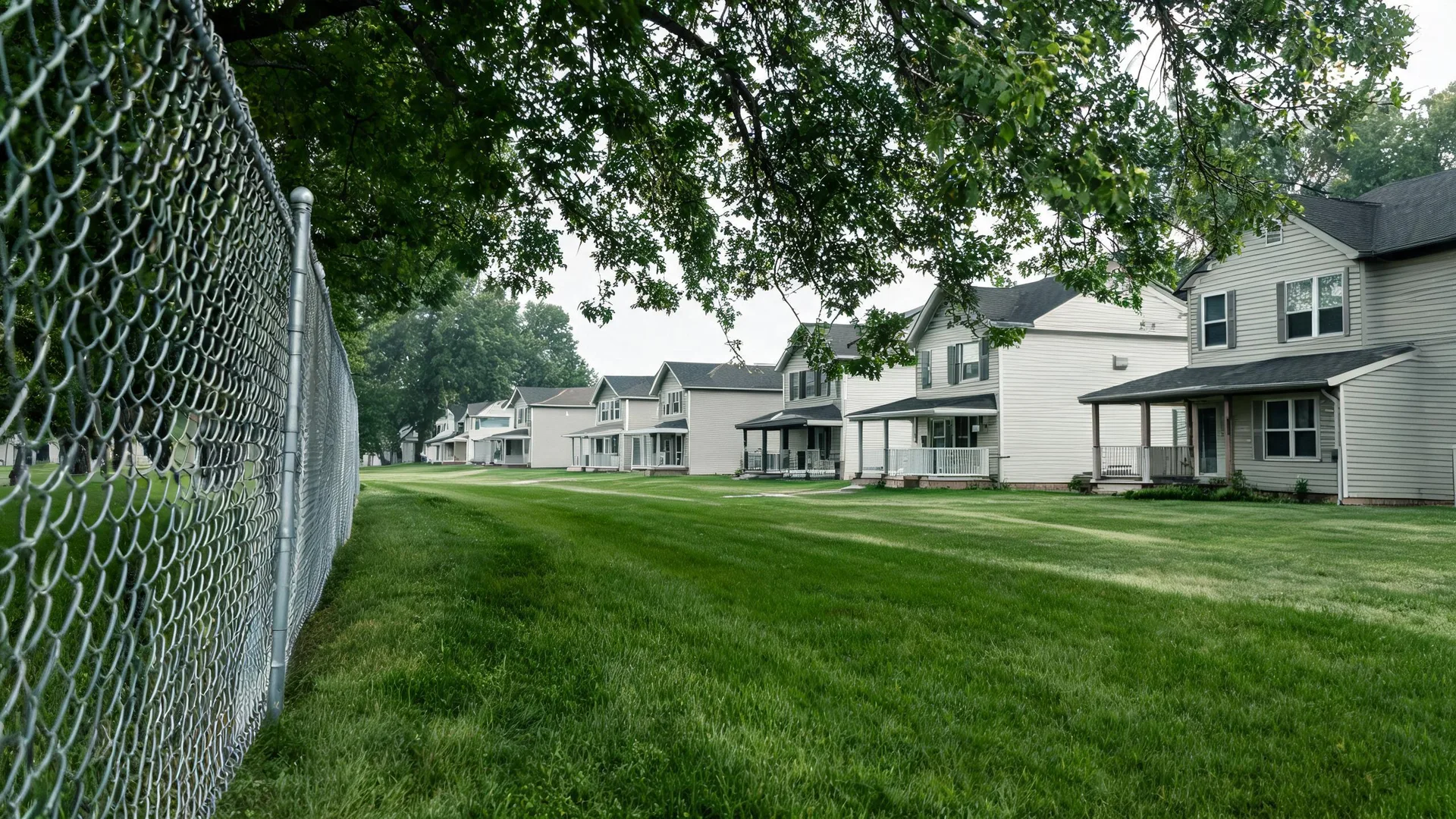






A chain-link fence runs along the left edge of a mowed lawn beside a row of two-story white and gray sided houses with covered porches, under leafy tree branches and an overcast sky.

AC Maintenance in Lawrence, KS

Tell us about the job

Takes about a minute. No obligation.

Tune-up, service, or cleaningCentral ACDouglas County, KS
Step 1 of 2

What ZIP code is the job in?

Douglas County saw 208 severe weather events between 2015 and 2024. Most of that was wind, 140 events, plus 52 hail events and 5 tornadoes mixed in. Your outdoor unit sits outside through all of it, exposed to whatever blows through or falls out of the sky. Hail dents fins and bends the cabinet. Wind carries branches and grit into the coil. A unit that took a hit last storm season might still run, just worse, pulling more power to do less cooling. Checking it before summer tells you which one you have.

5 months
May through September, your air conditioner is on duty
87°F
the average summer afternoon it cools against
52 hail events
in ten years, and hail bends the fins on outdoor coils
140 wind events
in ten years, and wind drives debris into outdoor units
Isometric cutaway illustration of a single-story house showing interior rooms with ductwork and an air handler, connected by refrigerant lines to an outdoor condenser unit on the left.
Your air conditioner works hardest from June through August.

NOAA nClimDiv, 1991–2020 normals

Cooling in Lawrence starts in May and runs through September.

April is when to get the unit checked, before it has to work.

Five months of heat and wind, and the unit runs the whole stretch

Cooling runs May through September
Summer afternoons average 87°F
140 damaging wind events from 2015 to 2024

Half the homes in Douglas County were built in 1988 or later. If yours is one of them, the system behind it may be original or on its second unit at most, not something patched together over decades. That's worth protecting. A yearly check catches a weak capacitor or a dirty coil while they're still cheap problems, before a summer like the ones here turns them into a dead compressor. Newer equipment holds its efficiency well if it's looked at every year. Skip a few years of checks and even a unit with plenty of life left starts working harder than it should.

Have the unit checked before storm season tests it again

A unit that rode out this year's storms is still due a look before the next ones come through. Checking it now means finding the bent fin or loose connection while it's a quick fix, not a breakdown once summer sets in.

Find a contractor
A man in a cap, gray shirt and tan work pants, seen from behind, carries a canvas tool bag up stone steps toward a red front door, with a potted plant beside the entry.
An outdoor air conditioning condenser unit mounted on a concrete pad beside a house, with electrical conduit running to a wall-mounted disconnect box.

Five months is long enough for a small problem to become a dead unit

Five straight months of running, June through August averaging 87°F in the afternoon, wears parts down faster than a short season would. A capacitor that's been fine for years can give out partway through that stretch. A coil that's a little dirty in May is choking the system by August. Getting the unit checked before that stretch starts means finding the weak part while it's still just a weak part, not after it quits on a 90-degree afternoon.

A gauge set tells you what a glance can't

A quick visit gets you a rinsed coil and a filter swap, and the unit will run. A thorough one puts gauges on the system and checks refrigerant pressure against what the compressor is actually drawing. Low charge or a stuck metering device won't show up by looking at the unit, only by measuring it. That measurement is what tells you whether the compressor is working harder than it should be, long before it fails outright.

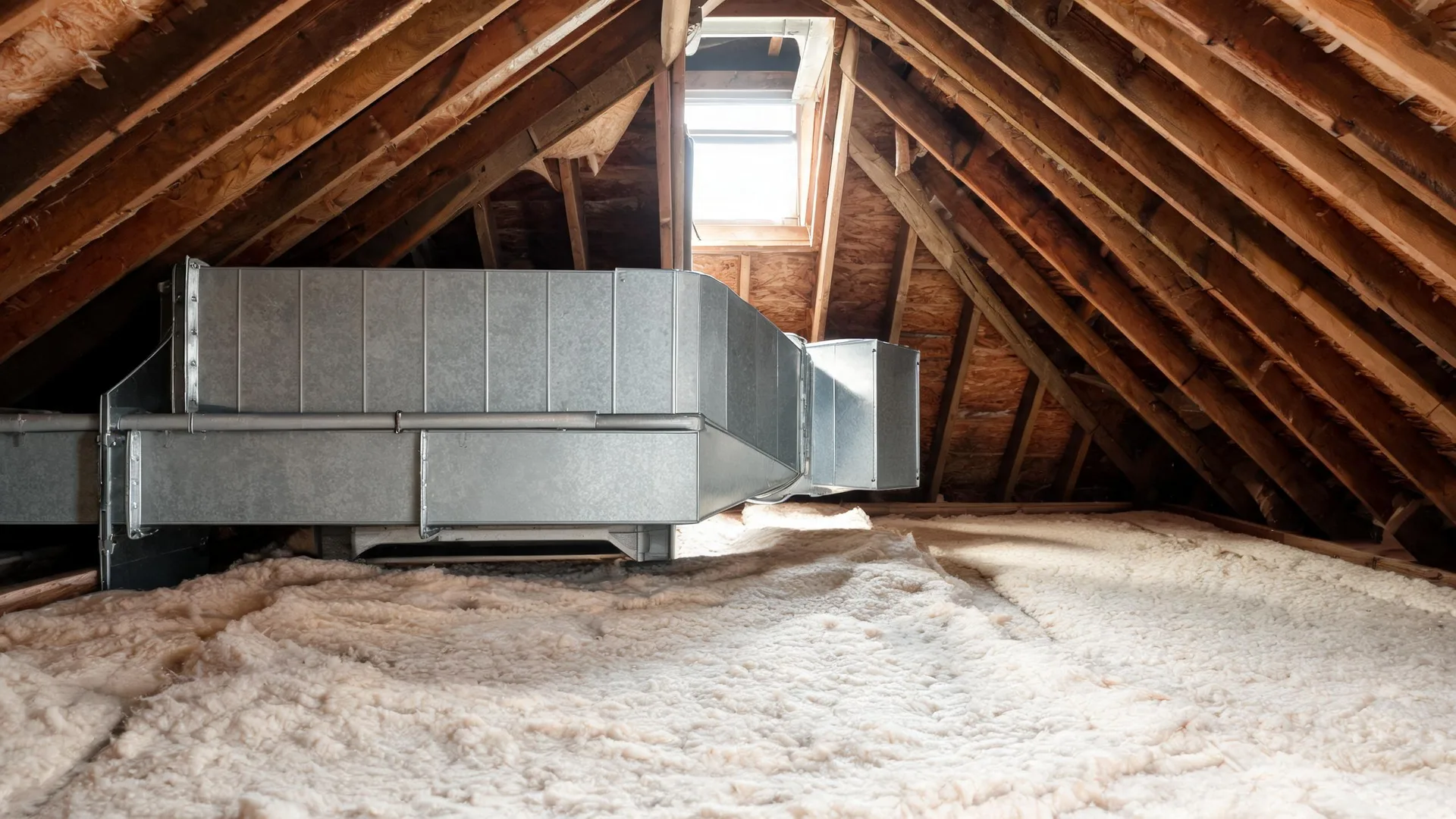
The capacitor and contactor get tested, not glanced at

A capacitor can look fine and still be weak, holding a charge below what the compressor needs to start clean. A real tune-up tests it with a meter and replaces it if it's reading low, not just if it's bulging or leaking. The contactor gets checked too, since pitted contacts make the outdoor unit hesitate or hum instead of kicking on. Skipping this step means the first real sign of trouble is the compressor not starting at all.

Aerial view of a square outdoor air conditioning condenser unit on a concrete pad beside a house wall with a sliding glass door.

Book your AC tune-up in April, before homes here start needing cooling in May.

  1. Jan
  2. Feb
  3. Mar
  4. Apr
  5. May
  6. Jun
  7. Jul
  8. Aug
  9. Sep
  10. Oct
  11. Nov
  12. Dec

A tune-up checks the refrigerant charge, cleans the coils, tests the capacitor and tightens the electrical connections.

A proper tune-up starts outside at the condenser. The fins get checked for dirt and buildup, then rinsed clean so the coil can actually give off heat instead of trading it back into the air. The fan motor and blades get looked at for wobble or wear, since a blade that's out of balance will shorten its own motor's life. Refrigerant lines get checked for rubbing or chafing where they run close to the cabinet. Inside, the evaporator coil gets inspected, and the drain line gets cleared so condensation has somewhere to go instead of backing up into the house. Electrical connections get tightened, since a loose connection generates heat on its own and that heat degrades the parts around it. None of this takes long when a system is healthy. It takes a lot longer, and costs a lot more, when it's done for the first time after something has already failed.