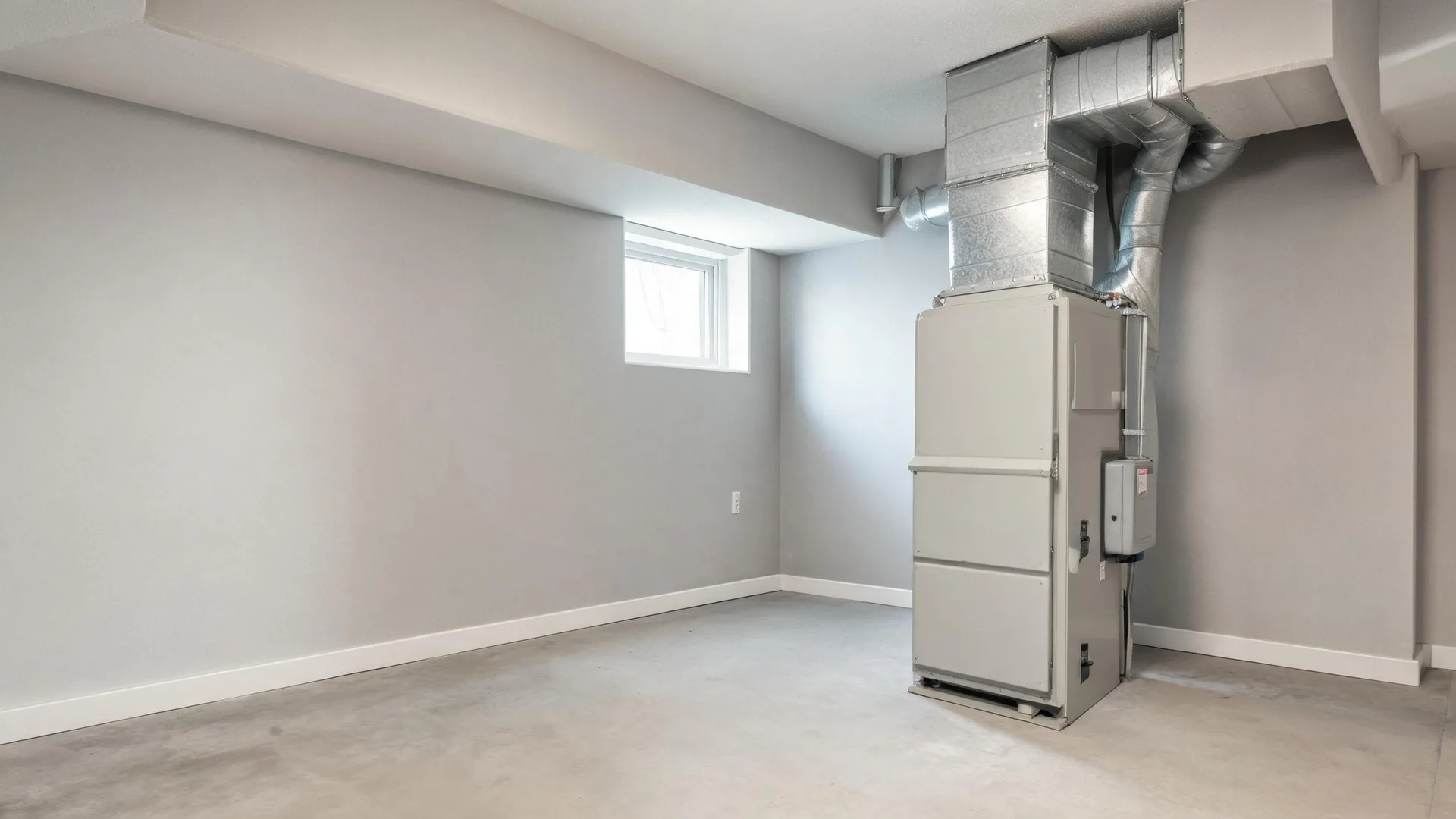
Electricity here runs 14.15 cents a kilowatthour
Kansas power costs more than the national average. A dirty coil or a low charge makes your AC run longer to cool the same house, and every one of those extra hours gets billed at that rate.

Takes about a minute. No obligation.
Kansas power costs more than the national average. A dirty coil or a low charge makes your AC run longer to cool the same house, and every one of those extra hours gets billed at that rate.
A technician checking the coil, the refrigerant charge and the airflow catches the small problems that make a unit work harder than it should. Catching them before summer means your AC isn't fighting itself all season.
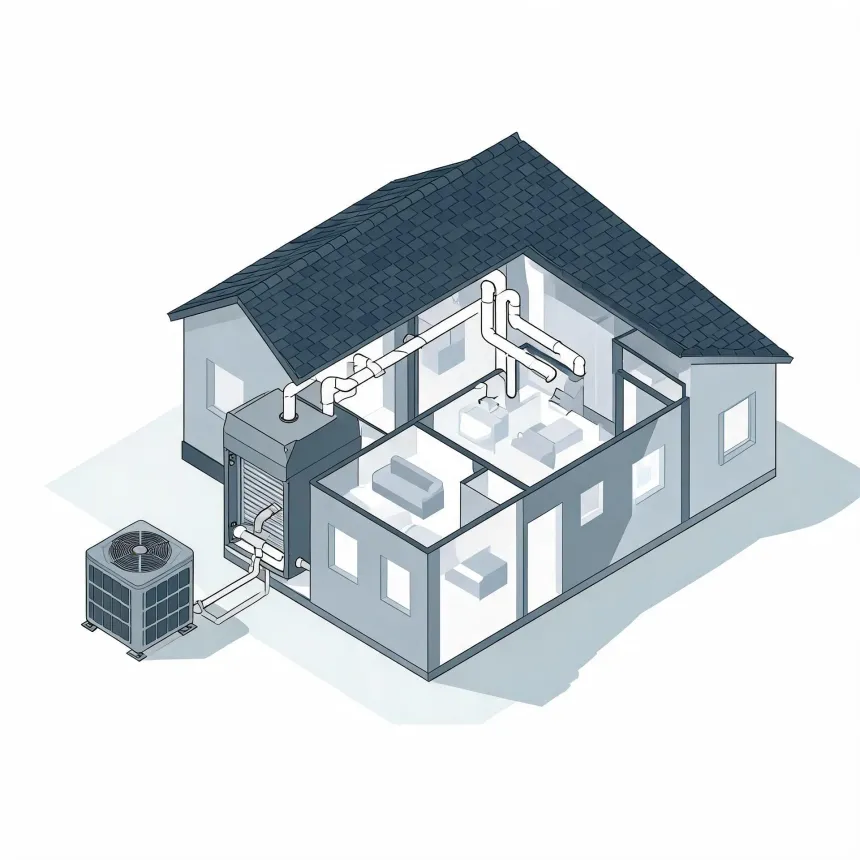
NOAA nClimDiv, 1991–2020 normals
Half the homes in Sumner County were built in 1962 or earlier.
A house that age has likely had more than one AC system in it, and whatever is running now still needs a yearly check to catch wear before it turns into a breakdown.



A yearly check is what catches that wear while it's still small. A technician looking at the same system every year gets to know it. They notice things a first-time look would miss. A capacitor reading weaker than last spring. A contactor pitted more than it should be. A coil that's gotten dirty faster than before. None of that stops your AC from running today. All of it decides whether you get a call about a small part or a breakdown on the hottest afternoon of the summer. On a system that already has a predecessor behind it, that yearly look matters more, not less.
A neglected system uses more power, and power costs more here. A tune-up pays for itself.
Find a contractorA quick visit gets a filter check and a glance at the thermostat. That's it. A thorough one puts gauges on the system and checks the refrigerant charge against what the unit calls for, not just whether it's running cold. It means pulling the capacitor's rating and testing it under load, because a capacitor can test fine sitting still and still fail the moment the compressor tries to start. It means washing the condenser coil, not just looking at it, since dirt packed between the fins blocks airflow in a way that's invisible from a few feet back. A real check also looks at the contactor for pitting, checks amp draw on the compressor and fan motor, and confirms the blower is moving the air it's supposed to move. Anyone can tighten a panel and call it done. The difference shows up on the first real hot stretch, when the corner that got cut is the reason the system can't keep up.
An AC running low on charge still blows cold air at the vent. It just doesn't blow enough of it, and the compressor works harder to get there. Checking the charge means comparing pressures against what the unit calls for, not touching the lines and deciding they feel cold enough.
Condensate drains build up algae and dirt a little at a time, long before water starts backing up into the pan. By the time a homeowner notices a leak or a musty smell, the line has usually been narrowing for a while. Clearing it before it blocks is part of what a tune-up checks.
A tune-up checks the refrigerant charge, cleans the coils, tests the capacitor and tightens the electrical connections.
A tune-up also covers the parts that don't fail gradually. The start capacitor either kicks the compressor into motion or it doesn't, and a technician tests it under load rather than guessing from how the system sounds. Electrical connections at the disconnect box and contactor get checked for looseness, since a loose connection heats up and burns before it ever trips anything. The blower motor's bearings get checked for play, and the belt, if the system has one, gets checked for cracking. Thermostat calibration gets confirmed too, because a thermostat reading a few degrees off runs the system longer than the house actually needs.