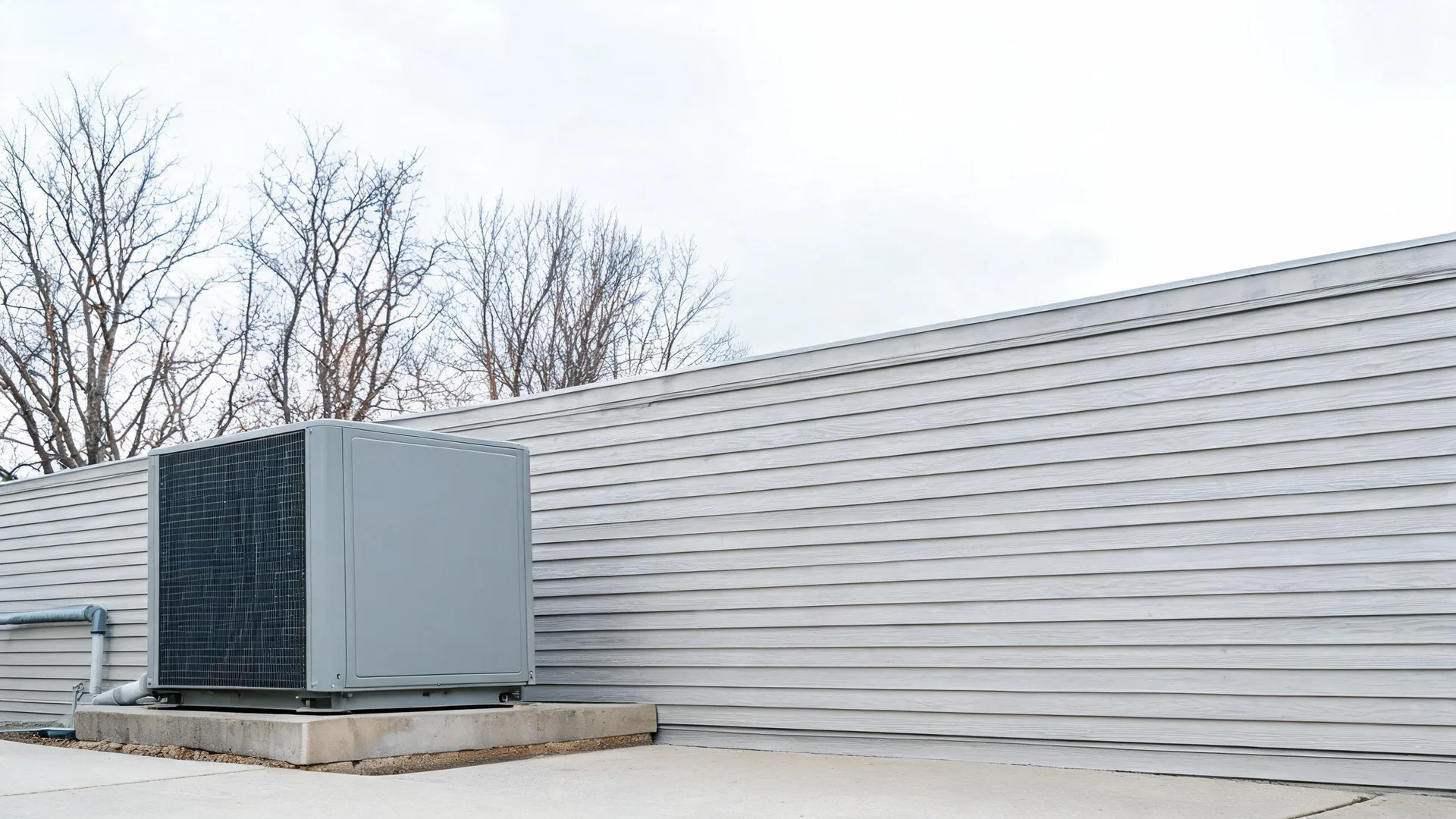
A dirty system draws more power
A dirty coil or a clogged filter makes your air conditioner work harder to move the same amount of cool air. That extra strain shows up as higher electricity use all summer.
Takes about a minute. No obligation.
A dirty coil or a clogged filter makes your air conditioner work harder to move the same amount of cool air. That extra strain shows up as higher electricity use all summer.
Kansas households paid that rate in 2024. Run a strained system on that rate month after month and a clean unit costs less to live with than a neglected one.

NOAA nClimDiv, 1991–2020 normals
A refrigerant charge that's a little low won't trip any alarm or shut the system down.
A gauge check during a tune-up catches that low charge before it shows up as a coil that can't pull enough heat out of the air.




Half the homes in Cherokee County were built in 1966 or earlier. If your system came with a house that age, you won't know how many years are on it just by looking at the house. It may have been replaced since, or it may not have. A yearly check tells you what the house alone can't. A tech can look at the coil, the capacitor, and the refrigerant charge and say whether the system is wearing down or just running. Catching a weak part during that visit means catching it before it fails on its own.
A technician can clean the coil, check the charge, and send your system into summer running the way it should. At 14.15 cents a kilowatt-hour, that visit is the cheaper month.
Find a contractorMay through September, this unit runs through 89 degree afternoons five months straight, and hail gets thrown in on top of that. A tune-up before the season starts is when a tech can still do something about a weak part. Once July hits, that same worn part is just waiting to quit on a hot day.
A dirty filter chokes the airflow across the coil, and that's the one thing a homeowner can actually check without tools. Pull it out, hold it up to the light, and if you can't see through it, replace it. A clogged filter during a run of hot weeks does more damage than a clogged filter does during a mild stretch, so check it more often while the system is working hardest.
The refrigerant charge, the capacitor, and the coil itself aren't things to open up or test between visits. Low refrigerant needs a gauge to find, and a capacitor that's starting to fail won't show itself until the compressor won't start. Keep the area around the outdoor unit clear of leaves and grass clippings, and leave the inside of the cabinet for the yearly check.
A tune-up checks the refrigerant charge, cleans the coils, tests the capacitor and tightens the electrical connections.
A tune-up starts with the coil. A tech pulls the panel and checks it for dust and grime, because a coil caked with buildup can't pull heat out of the air the way a clean one can. Next comes the capacitor, tested under load rather than just eyeballed, since a weak one often still starts the compressor right up until the day it doesn't. The refrigerant charge gets checked with gauges, not guessed at. Low charge is the kind of thing that shows up as a slow decline in cooling long before it shows up as a breakdown. The tech also checks the blower motor and the electrical connections, tightening what's loose and looking for wear before it turns into a failure. None of this is guesswork. It's the same handful of checks, done the same way, every time.