




A chain-link fence runs diagonally across a mown lawn in front of a row of two-story light-colored houses with dark roofs, framed by large leafy trees under an overcast sky.

AC Maintenance in Hays, KS

Tell us about the job

Takes about a minute. No obligation.

Tune-up, service, or cleaningCentral ACEllis County, KS
Step 1 of 2

What ZIP code is the job in?

Ellis County saw 315 severe weather events between 2015 and 2024. That includes 141 hail events and 136 days with damaging wind, plus 9 tornadoes in the same stretch. Hail dents the fins on an outdoor unit and bends them shut, and wind throws branches and grit into the coil. None of that announces itself. The unit keeps running, just worse, until a tech opens it up and finds the coil packed with debris or the fins crushed flat.

4 months
June through September, your air conditioner is on duty
90°F
the average summer afternoon it cools against
141 hail events
in ten years, and hail bends the fins on outdoor coils
136 wind events
in ten years, and wind drives debris into outdoor units
Isometric line illustration of a cutaway house showing interior rooms, a furnace or air handler with ductwork, and an outdoor condenser unit beside the building.
Your air conditioner works hardest from June through August.

NOAA nClimDiv, 1991–2020 normals

June is the first month of cooling in Ellis County, and the unit goes straight to work.

Have it checked in May, before that first hot stretch asks anything of it.

Four months of hard running start here, and this is what it's running against

Cooling runs June through September
Summer afternoons average 90°F
136 damaging wind events from 2015 to 2024

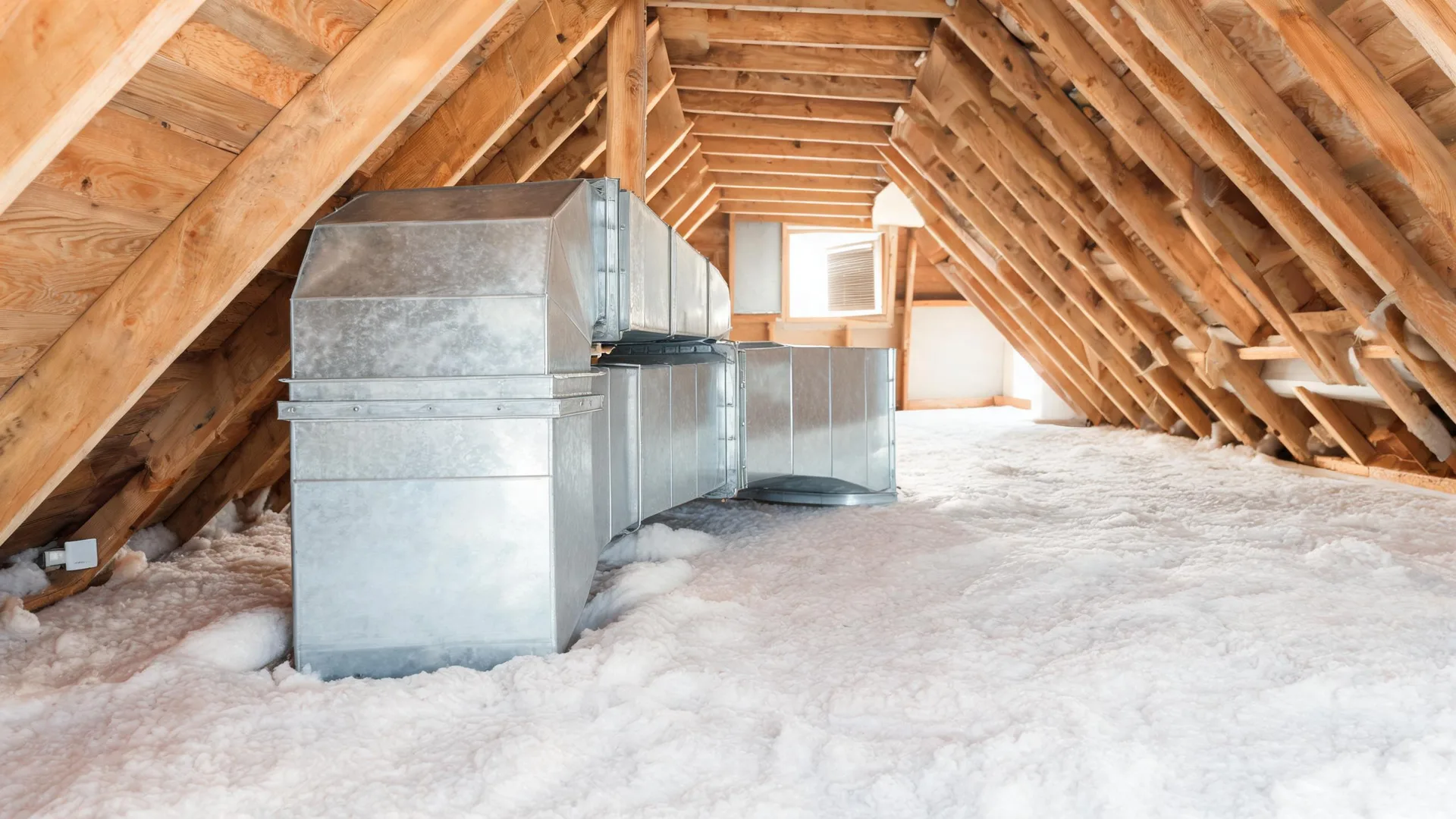
Half the homes in Ellis County were built in 1973 or earlier. An air conditioner doesn't last that long, but the ductwork, the electrical, and sometimes the pad it sits on do, and all of that ages along with the house. A system working through an old duct run or an old disconnect box shows it differently than one would in new construction. A yearly check catches a cracked contactor or a weak capacitor while it's still just a part on a bench, not a Saturday afternoon with no air running. The older the house, the more that one visit is worth doing every year instead of skipping a season.

Have it checked before the next storm finds the weak spot

A tune-up is where a tech catches what the weather already did. Bent fins, a coil packed with grit, a contactor or capacitor rattled loose by wind, none of it stops the unit outright, so it runs on hurt until someone opens the cabinet and looks. Getting that looked at now means it's ready before the next storm rolls through, not after.

Find a contractor
An outdoor residential air conditioning condenser unit mounted on a concrete pad, surrounded by gravel with a blue sky in the background.

Every year this runs, check it that year

If the system in your house came with it, or came in sometime after, a yearly check is worth putting on the calendar for good, not just the years something seems off. A tech can check the contactor and capacitor against wear before either one strands you, look at the duct run for the kind of gaps that open up over decades, and confirm the disconnect box and pad are still doing their job. None of that takes long when it's caught early. It's the years you skip that let a small problem sit until it isn't small anymore.

The signs are easy to miss

A unit losing its edge doesn't usually quit outright. It runs longer to hit the same temperature, or it hits a temperature and stops short of comfortable. Air comes out of the vents warmer than it used to. Sometimes there's a smell when it kicks on, or a rattle that wasn't there last season. A homeowner notices the bill or the room, not the part behind it. A tech checks the refrigerant charge, the coil, and the electrical before any of that gets bad enough to notice.

Waiting costs more than the visit would

A capacitor that's starting to weaken still starts the compressor, until the one day it doesn't. A coil that's lost some airflow still cools, just not as well, and the compressor behind it works harder to make up the difference. None of these fail cleanly. They drag the rest of the system down first, and the compressor is the expensive part to lose. Catching the weak part on a bench beats replacing the compressor it was dragging down.

Overhead view of a gray residential air conditioning condenser unit mounted on a concrete pad beside a house with asphalt shingle roofing.

Book your AC tune-up in May, before homes here start needing cooling in June.

  1. Jan
  2. Feb
  3. Mar
  4. Apr
  5. May
  6. Jun
  7. Jul
  8. Aug
  9. Sep
  10. Oct
  11. Nov
  12. Dec

A tune-up checks the refrigerant charge, cleans the coils, tests the capacitor and tightens the electrical connections.

A tune-up starts outside, with the condenser coil. A tech washes it out from the inside so air pulls through it the way it was designed to, then checks that the fan spins freely and the fins around it aren't crushed shut. Next comes the refrigerant charge, checked against what the system is supposed to hold, since too little or too much both make the compressor work harder for the same cooling. The electrical side gets checked too: the contactor that feeds power to the compressor, and the capacitor that gets it started, both wear down in ways you can't see from outside the cabinet. Inside the house, the tech checks the evaporator coil and the blower, since a dirty coil or a weak blower chokes airflow before the air ever reaches the ducts. Last comes a check of the thermostat and a full run cycle, watching the system actually bring the house down to temperature instead of just turning on.