This county sees real storms
Geary County had 173 severe weather events between 2015 and 2024, including 92 damaging wind events and 66 hail events. Four tornadoes touched down in that same stretch.
Takes about a minute. No obligation.
Geary County had 173 severe weather events between 2015 and 2024, including 92 damaging wind events and 66 hail events. Four tornadoes touched down in that same stretch.
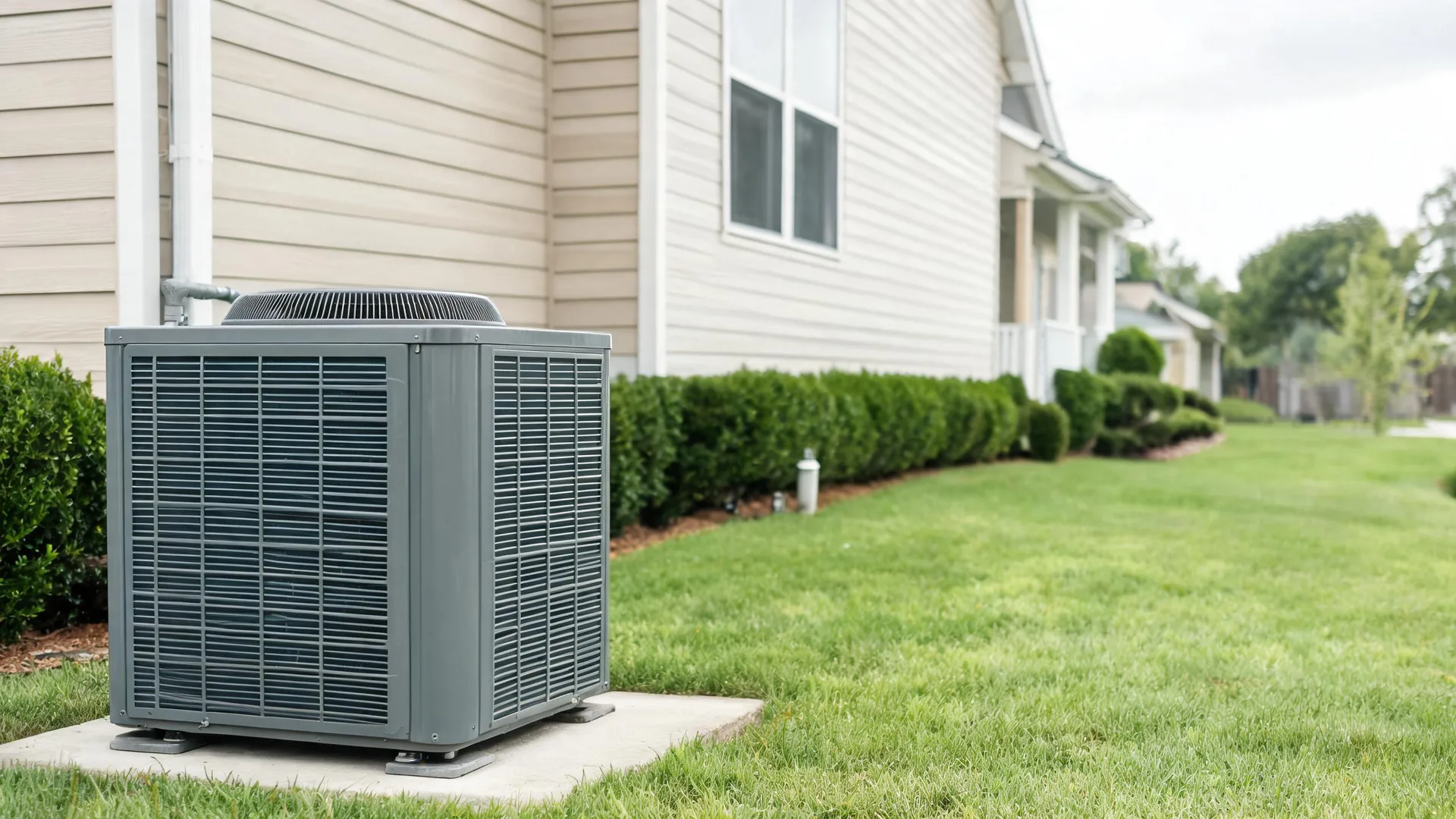
The condenser sits outside, exposed to wind and hail with nowhere to hide. Bent fins, a cracked fan blade or debris packed into the coil can all come from one bad storm.

NOAA nClimDiv, 1991–2020 normals
Half the homes in Geary County were built in 1987 or later.
A system that age still has years ahead of it, and a yearly check is what keeps it getting to all of them.




Cooling starts here in May, and May is when this system first has to work for its living after sitting idle all winter. Book the tune-up in April, before that first hot stretch, not after. A capacitor or contactor that was already weak tends to fail when the compressor first kicks on hard, not while it's been running fine for weeks. April is also before any storm damage from the season ahead has a chance to pile up on top of whatever was already wearing thin. Catch it in April and a contractor can clear the coil, check the refrigerant charge and test the capacitor before five straight months of real demand start.
A tune-up is where a contractor finds the bent fin or the cracked blade from last season's storms, along with whatever wear summer already put on the unit. Get it checked before the next round of wind and hail adds to the pile.
Find a contractor
May through September, this system runs close to five months straight. That's long enough for a weak part to stop being a maybe and start being a when. A contractor doing the tune-up now is looking for exactly that: a capacitor that tests weak, a contactor with pitted points, a coil that's lost airflow to a season of dust. None of that shows up on a system that's been sitting off all winter. It shows up once the compressor's been cycling on and off for weeks in the heat.
A dirty filter chokes the airflow across the coil, and that's the one thing worth checking on your own between tune-ups. Hold it up to the light. If you can't see through it, swap it. A clogged filter makes the system run longer to move the same air, and it can let the coil behind it ice over.
The outdoor unit needs open space on all sides to pull air through the coil. Grass clippings, mulch, leaves and anything stacked against the cabinet block that airflow. Walk out after mowing and clear what's settled against the sides. Don't point a hose at the coil fins to clean them, a straight blast can bend them flat and that's a job for a contractor to fix, not prevent.
A tune-up checks the refrigerant charge, cleans the coils, tests the capacitor and tightens the electrical connections.
A tune-up covers what a homeowner can't see from the thermostat. A contractor checks the refrigerant charge against what the system calls for, because too little and the compressor works harder for less cooling, too much and it can damage the compressor itself. The capacitor gets tested under load, not just looked at, since a capacitor can read fine sitting idle and still fail once the compressor demands its full start. The contactor's points get checked for pitting, because pitted contacts can keep the outdoor unit running even after the thermostat shuts it off. The condenser coil gets cleaned, since dust and grime across the fins make the system work harder to shed heat. The drain line gets checked too, because a clogged line backs up and can shut the system down or let water sit where it shouldn't. None of this is guesswork. It's the same sequence every time, because those are the parts that fail.