






An outdoor air conditioning condenser unit installed beside the exterior wall of a blue vinyl-sided house at sunset.

AC Maintenance in Iola, KS

Tell us about the job

Takes about a minute. No obligation.

Tune-up, service, or cleaningCentral ACAllen County, KS
Step 1 of 2

What ZIP code is the job in?

Short cycling is one of the clearest signs. If your AC kicks on, runs a few minutes, then shuts off before the house actually cools, something is telling it to stop early, and that shortens the life of the compressor. Warm air out of the vents while the thermostat says it's running is another. So is a unit that runs long stretches without ever quite catching up, which usually points to a dirty coil or a refrigerant charge that's drifted low. Water pooling near the indoor unit means the condensate line is clogged or the drain pan has rusted through. None of these mean the system is about to fail, but they mean something is already working harder than it should, and a tech can usually trace it back to one part before it takes out another.

5 months
May through September, your air conditioner is on duty
88°F
the average summer afternoon it cools against
47 hail events
in ten years, and hail bends the fins on outdoor coils
56 wind events
in ten years, and wind drives debris into outdoor units
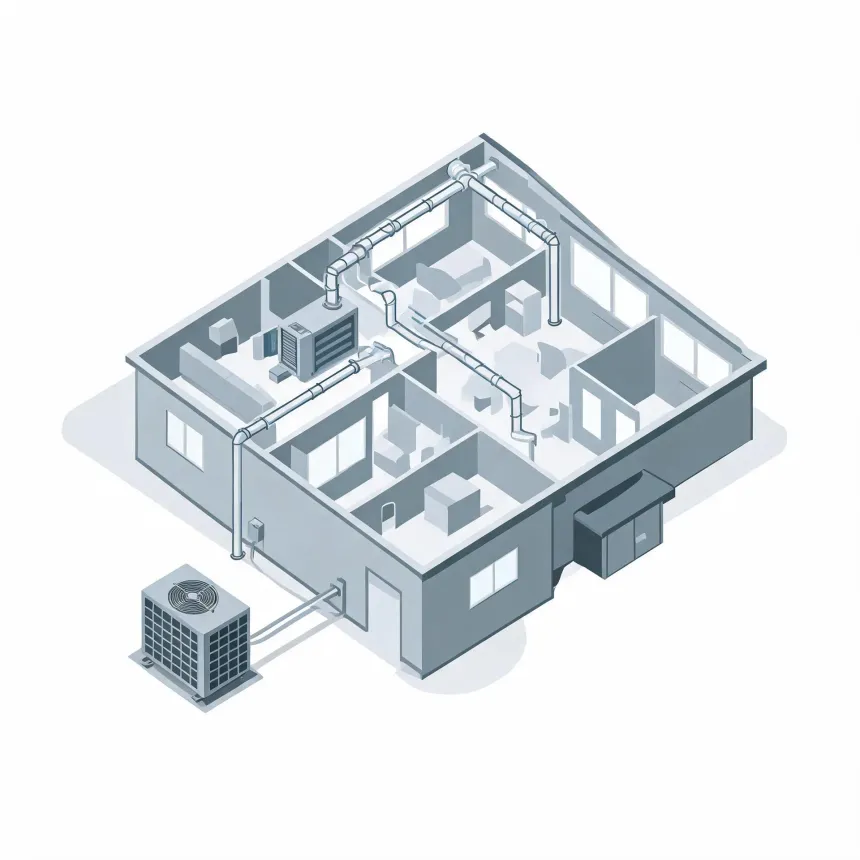
Isometric grayscale illustration of a cutaway house showing interior rooms, ceiling ductwork connected to an indoor air handler, and an outdoor condenser unit linked by lines along the exterior wall.
Your air conditioner works hardest from June through August.

NOAA nClimDiv, 1991–2020 normals

AC runs May through September in Allen County.

Get it checked in April, before it has to work.

One checkup before May covers the months this AC earns its keep

Power costs 14.15 cents a kWh statewide
Cooling runs May through September
Summer afternoons average 88°F
One season, one visitCooling runs May through September here, same as most places this far south.

Half the homes in Allen County were built in 1965 or earlier. A system that old has usually been replaced at least once, but the ductwork and wiring around it often haven't. Older parts drift out of spec slowly, a capacitor weakening or a connection loosening well before anything actually fails. A yearly check catches that drift while it's still small. Skip a few years and the same small problem can take the compressor with it.

Catch it while it's still small

If your system has been swapped out since the house was built, nobody's checked the ductwork or wiring around it in years. A yearly visit is how a tech catches the drift before it catches you.

Find a contractor
A man in a cap, dark jacket and tan trousers climbs porch steps toward a red door, carrying a worn olive duffel bag, with a potted shrub beside gray clapboard siding.
An outdoor air conditioning condenser unit mounted on a concrete pad surrounded by gravel, photographed against a partly cloudy blue sky.

The filter, the coil and the drain all depend on each other

A dirty filter is the start of most of this. Air has to push through it, and when it's clogged the system pulls harder to move the same amount of air. The coil behind it is next. Coils are supposed to pull heat out of the air that crosses them, and a coil caked in dust can't do that as well, so the unit runs longer to reach the same temperature. Run it long enough in that state and the coil can ice over, which blocks airflow even further. The drain is the quiet one. Condensation has to go somewhere, and the line that carries it off can grow algae or catch debris over time. When it backs up, water finds the pan, and from there it finds the floor or the ceiling below it. None of these parts fail on their own schedule. They fail because something upstream of them was never cleaned.

Keep the filter clean

Check the filter once a month and swap or rinse it when it looks gray or clogged. A dirty filter is the one thing in this whole system a homeowner can actually get to, and it's the thing that drags everything else down with it when it's ignored.

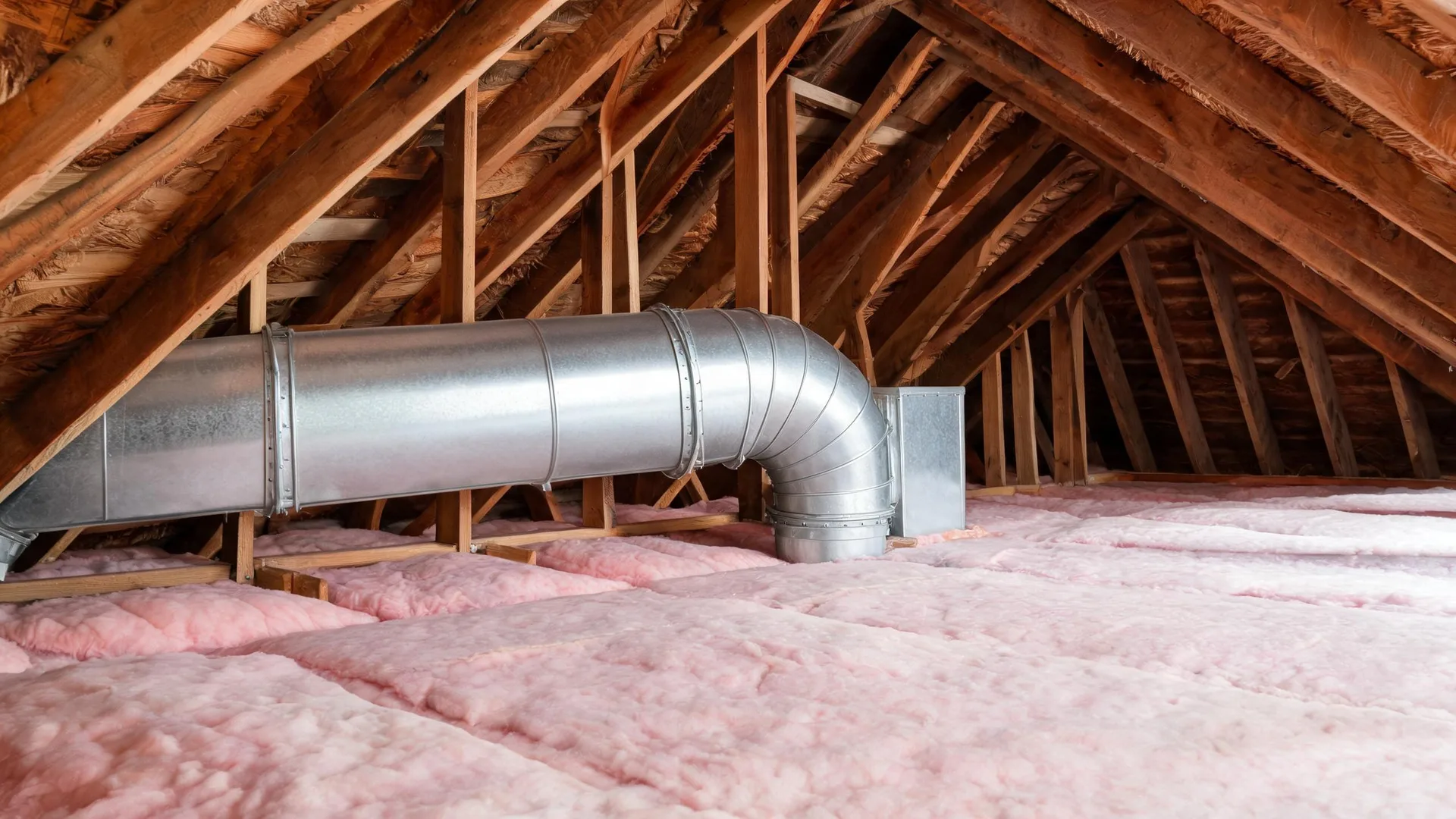
Leave the rest alone

The coil, the refrigerant charge and the electrical connections aren't something to open up between visits. Clearing leaves or debris away from the outdoor unit is fine. Taking panels off or adding refrigerant is how a small problem becomes a shock to whoever looks at it next.

An outdoor air conditioning condenser unit positioned on a concrete pad next to a blue-sided house, surrounded by green shrubs and flowering hydrangeas at sunset.

Book your AC tune-up in April, before homes here start needing cooling in May.

  1. Jan
  2. Feb
  3. Mar
  4. Apr
  5. May
  6. Jun
  7. Jul
  8. Aug
  9. Sep
  10. Oct
  11. Nov
  12. Dec

A tune-up checks the refrigerant charge, cleans the coils, tests the capacitor and tightens the electrical connections.

A tune-up starts with the electrical side, because that's what fails without warning. The capacitor gets tested under load, not just checked for a charge, since a weak one still shows voltage but won't kick the compressor on when it counts. Contacts get checked for pitting. Then the refrigerant charge, measured against what the system is supposed to carry, because low charge doesn't just mean weaker cooling, it means the compressor is running hotter than it was built for. The coil gets cleaned if it needs it, not just looked at. The condensate line gets flushed so it drains instead of backing up. A tech also checks that the blower is moving the amount of air it should, since a motor can run fine and still be pushing less air than the system needs. Each of these is a part that drifts quietly and then fails all at once, and a tune-up is the only time most of them get looked at before that happens.