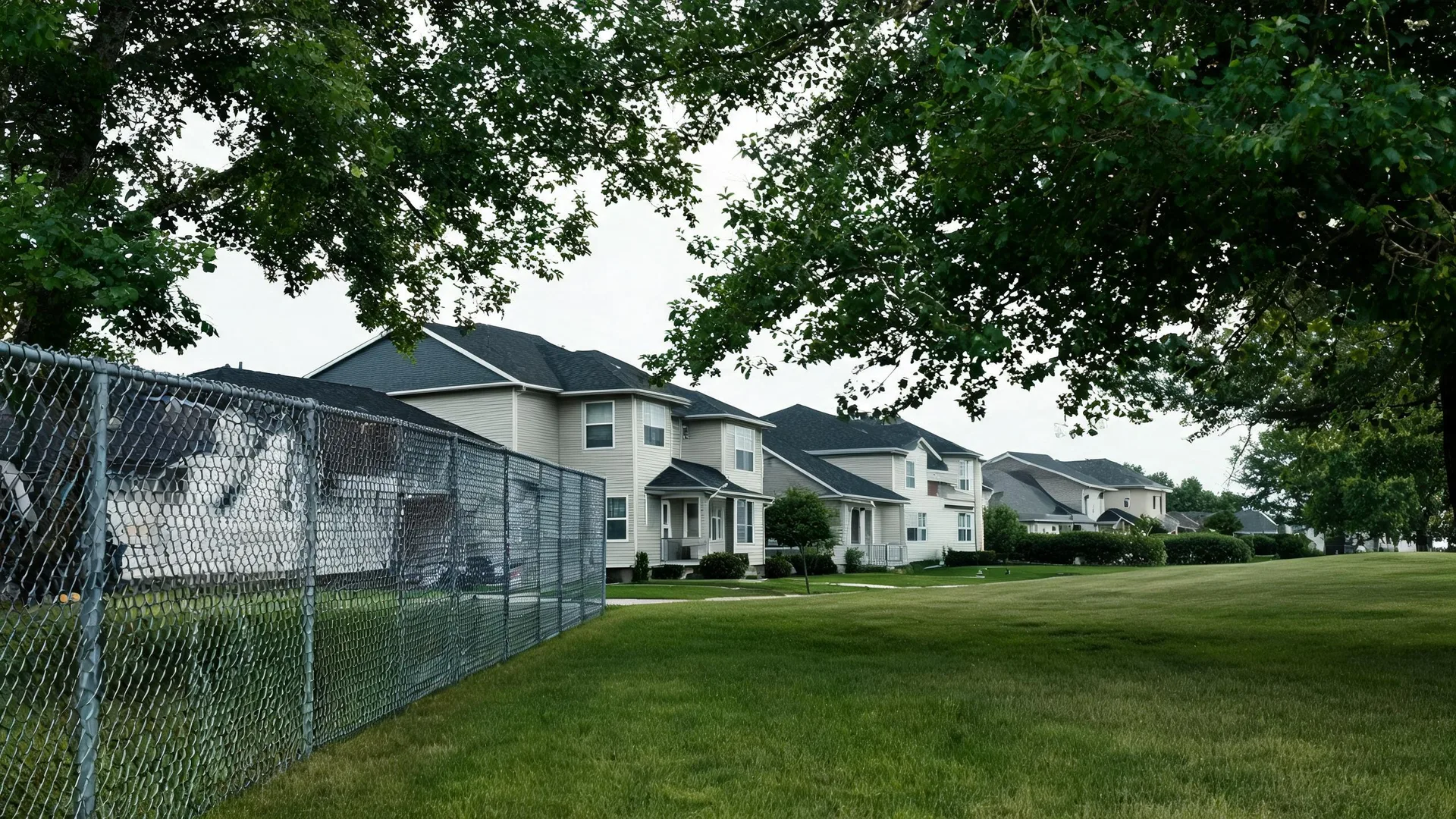





A row of two-story light-colored houses with gray shingled roofs behind a mown lawn, with a chain-link fence on the left and leafy tree branches overhead.

Heat Pump Repair in Abilene, KS

Tell us about the job

Takes about a minute. No obligation.

RepairHeat PumpDickinson County, KS
Step 1 of 2

What ZIP code is the job in?

Half the homes in Dickinson County were built in 1956 or earlier. If yours is one of them, there's a decent chance the heat pump isn't original to the house, but it may still be older than you'd guess, especially if nobody's replaced it since they bought the place. An older unit has had more years of wear on the compressor and the coils before this repair ever came up. That matters when you're deciding whether to pay for the fix in front of you. A repair on a unit with a lot of life left is a different decision than the same repair on one that's already past where most of these systems hold up. Worth asking the contractor how old the unit actually is before you commit to the work.

7 months
October through April, your system heats
5 months
May through September, it cools
22°F
the average winter night it heats against
89°F
the average summer afternoon it cools against
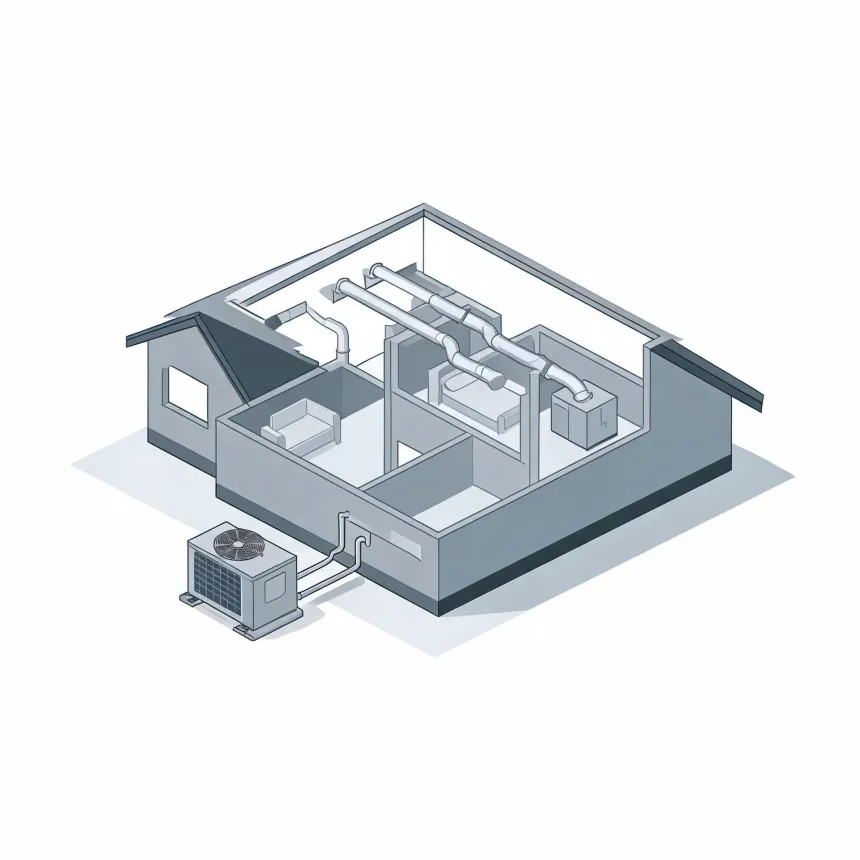
Isometric grayscale illustration of a cutaway house showing interior rooms, ceiling ductwork and an air handler, connected by lines to an outdoor condenser unit on a pad outside.
Your system heats October through April and cools May through September.

NOAA nClimDiv, 1991–2020 normals

Dickinson County has seen 96 hail events and 84 damaging wind events between 2015 and 2024.

A heat pump sits outside and takes that weather directly, year after year, which wears on it faster than most people expect.

This county gets hit hard, and the unit outside takes it

200 severe weather events from 2015 to 2024
19% of homes statewide lost power a day or more in 2024
84 damaging wind events from 2015 to 2024
The First Cold Snap Finds the Weak PartHeat pumps here run October through April, and trouble usually shows up early in the run.

Electricity here runs 15.12 cents per kilowatt-hour. A heat pump that's struggling, low on refrigerant, a weak capacitor, a coil caked with dirt, pulls more power to do the same job, and every one of those cents adds up faster than it would if the unit were running right. This isn't a machine that only kicks on for a few weeks a year. It carries the house most months, so a problem that costs you a little extra each day doesn't stay little. The longer a worn unit limps along, the more it's costing on top of whatever the repair runs. Worth getting it looked at before another bill comes through.

Get the Cause Found, Not Just the Symptom

That weather doesn't stop once the unit's installed. Wind and hail keep hitting the same outdoor unit every year it sits there, and the wear adds up whether or not anything's failed yet. When something does go wrong, it's worth having a contractor check it properly rather than guessing at a quick fix, so whatever gets done holds up through the next storm.

Find a contractor
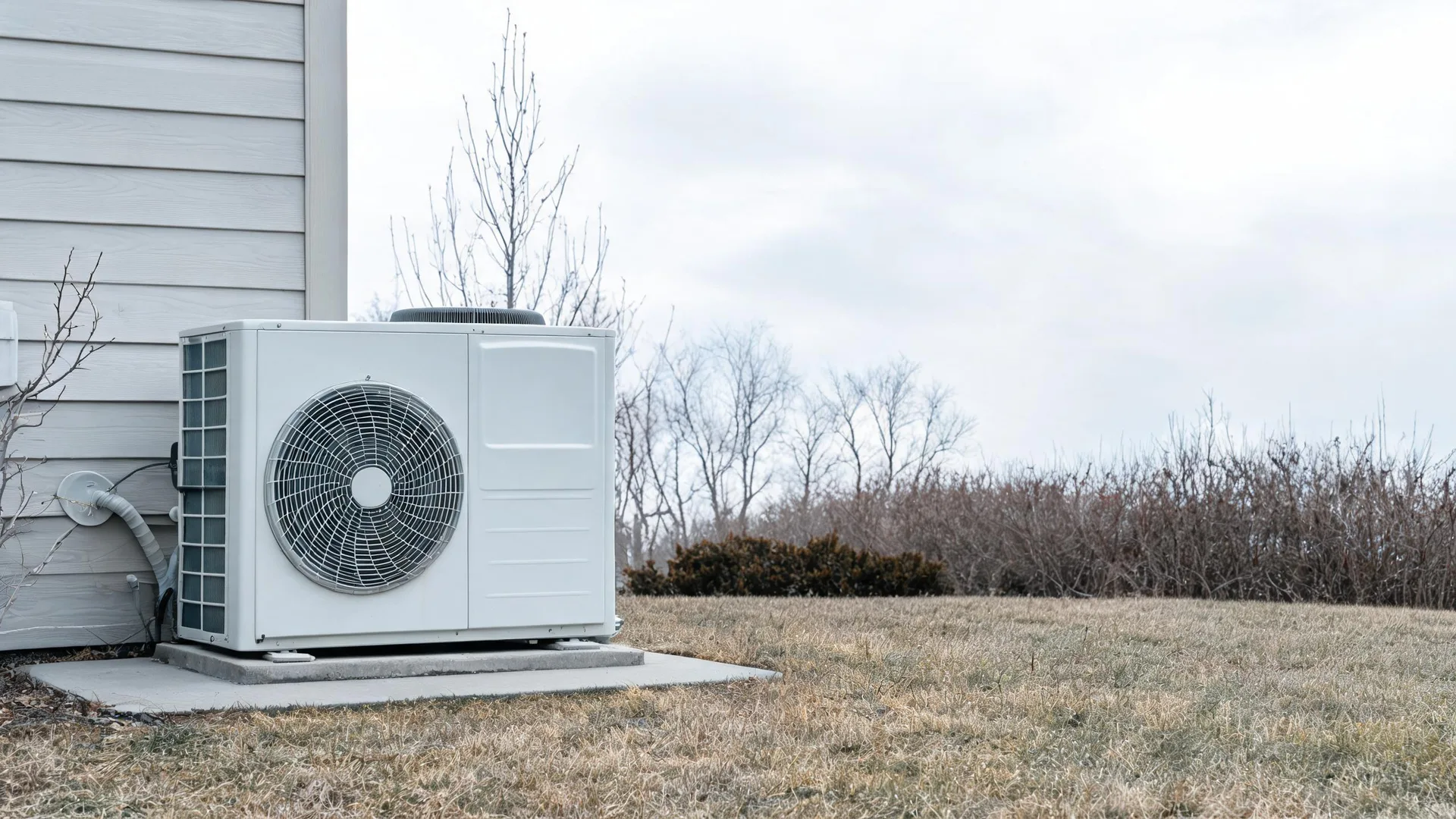
A dark gray heat pump unit mounted on a concrete pad next to a house with gray siding and a stone veneer wall.

How Many More Winters Does This One Have

Ask the contractor how old the unit actually is before paying for anything. If the house was built in 1956 or earlier, the heat pump has likely been swapped at least once, but there's no guarantee it's new either. A compressor that's run for decades of these winters and summers doesn't owe anybody much more. If the repair is small and the rest of the unit is holding up, get it fixed. If the quote is climbing toward what a new system runs, or the contractor points out other parts close to failing, that's the point to ask about replacing it instead of patching it again this year.

What You Can Check Yourself

Look at the thermostat first. Make sure it's set to heat or cool as needed and the temperature is actually calling for a change. Check the breaker box for a tripped breaker on the air handler or the outdoor unit. Go outside and look at the unit itself. If ice is covering the coil or the whole cabinet, that's worth noting for the contractor, but don't chip at it or hose it off yourself. Clear away leaves, grass clippings or anything piled against the outdoor unit so air can move through it. Check the air filter inside. A filter clogged with dust chokes airflow and can make the whole system struggle, and it's an easy swap.
What To Leave Alone

Don't open the refrigerant lines or add refrigerant yourself. That work needs gauges, training and a license. Don't keep flipping the breaker if it trips more than once. A breaker that trips repeatedly is telling you something is drawing too much power, and resetting it again just risks the compressor. If the outdoor unit is making a grinding or screeching noise, shut it off at the thermostat and leave it off until someone looks at it. Running it through that noise usually turns a repair into a bigger one.

A heat pump usually tells you something is wrong before it quits outright. The air coming out of the vents feels lukewarm instead of warm or cool, like it's trying but not getting there. You notice it running longer than it used to, or cycling on and off more than it should. Sometimes it blows the wrong kind of air entirely, cold in the winter when it should be in heat mode, which usually points to a reversing valve stuck in the wrong position. A hissing sound near the lines or ice building up on the outdoor coil when it's not supposed to be there usually means refrigerant is low, and that's not a top-off job, it's a leak somewhere that needs finding. Any burning smell or a breaker that keeps tripping means stop running it and get it looked at, not later, now.

If the outdoor unit took a hit from hail or a branch last summer, a repair call now is the time to say so. A dented cabinet or bent fins don't always stop a heat pump from running, so it can keep working for months with damage nobody's looked at. That kind of damage tends to show up later as a refrigerant leak or a coil that can't shed heat the way it should, which turns today's repair into a bigger one down the road. Mention it to the contractor even if the problem you called about seems unrelated. It costs nothing to have them check the coil and cabinet while they're already there.