





A weathered wooden fence runs along the left side of a dry grass lot beside a row of single-story brick houses, under a large overhanging oak branch and overcast sky.

Heat Pump Repair in Baxter Springs, KS

Tell us about the job

Takes about a minute. No obligation.

RepairHeat PumpCherokee County, KS
Step 1 of 2

What ZIP code is the job in?

A heat pump here spends the summer pulling moisture as heavy as 67 degrees dew point out of the air, not just cooling it, and that's more work than most of the country asks of one. Add hail. Cherokee County logged 73 hail events between 2015 and 2024, and the outdoor unit sits outside year round with nothing to shield it. Coils get dented, fins close up, fan blades take hits you can't always see from a few feet away. None of that fails the system outright, but it makes the compressor work harder to move the same amount of air, and that strain is usually where the noise or the weak airflow you're noticing started.

7 months
October through April, your system heats
5 months
May through September, it cools
27°F
the average winter night it heats against
89°F
the average summer afternoon it cools against
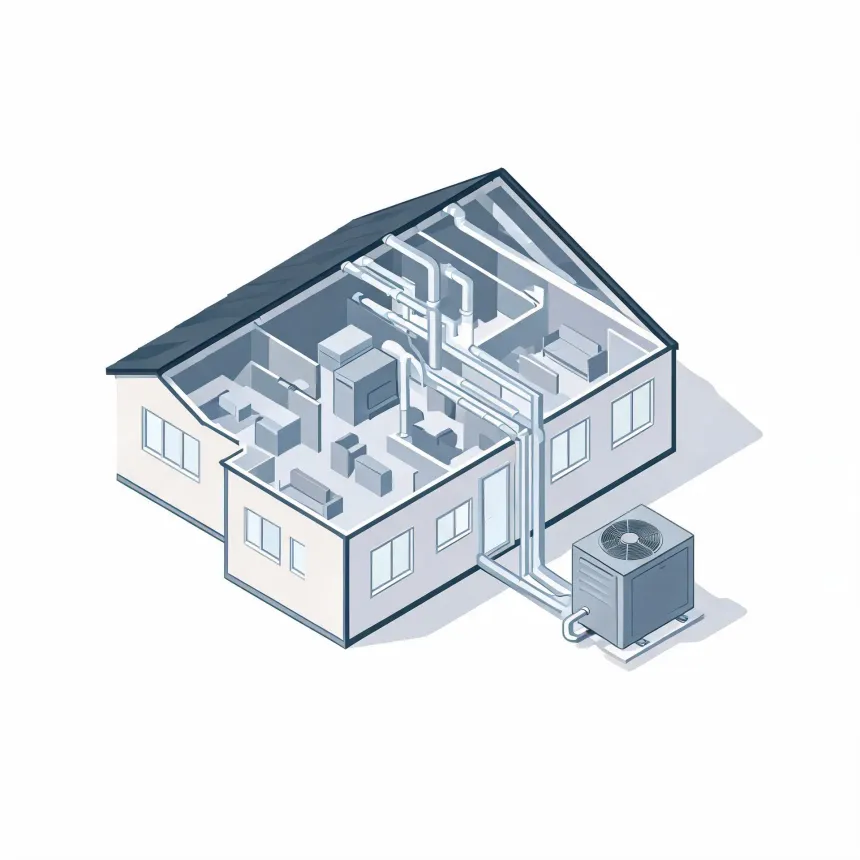
Isometric illustration of a cutaway single-story house showing interior ductwork and vents connected to an outdoor condenser unit beside the building, on a white background.
Your system heats October through April and cools May through September.

NOAA nClimDiv, 1991–2020 normals

Half the homes in Cherokee County were built in 1966 or earlier.

A heat pump that old is closer to the end than the start, and that changes what a repair is worth.

This county sees 158 severe weather events a decade, and your outdoor unit stands right in it

158 severe weather events from 2015 to 2024
19% of homes statewide lost power a day or more in 2024
76 damaging wind events from 2015 to 2024
Trouble Shows Up When the Weather TurnsOctober's first cold snap and May's first hot week put the load on whatever already wore thin.

If the outdoor unit took a hit this year, from hail or from wind carrying debris, don't wait for it to fail outright before someone looks at it. Bent fins and a nicked fan blade don't always stop a heat pump from running, but they're a reason it might be running worse than it should. A tech can check the coil and the fan for damage in the same visit as whatever repair you called about. Cherokee County saw 76 damaging wind events and 73 hail events between 2015 and 2024, so this isn't a rare ask. Worth mentioning while someone's already out there, even if it's not why you called.

Get the strain diagnosed, not just the symptom

Whatever is making noise or losing airflow has been under more load than the compressor was built to shrug off here. A tech can check it against the hail damage and the wear this county puts on a heat pump, and fix the part that's actually behind it.

Find a contractor
A man in a cap, dark T-shirt and tan work pants walks up porch steps toward a red front door, carrying a worn canvas tool bag, with a potted plant beside the door.
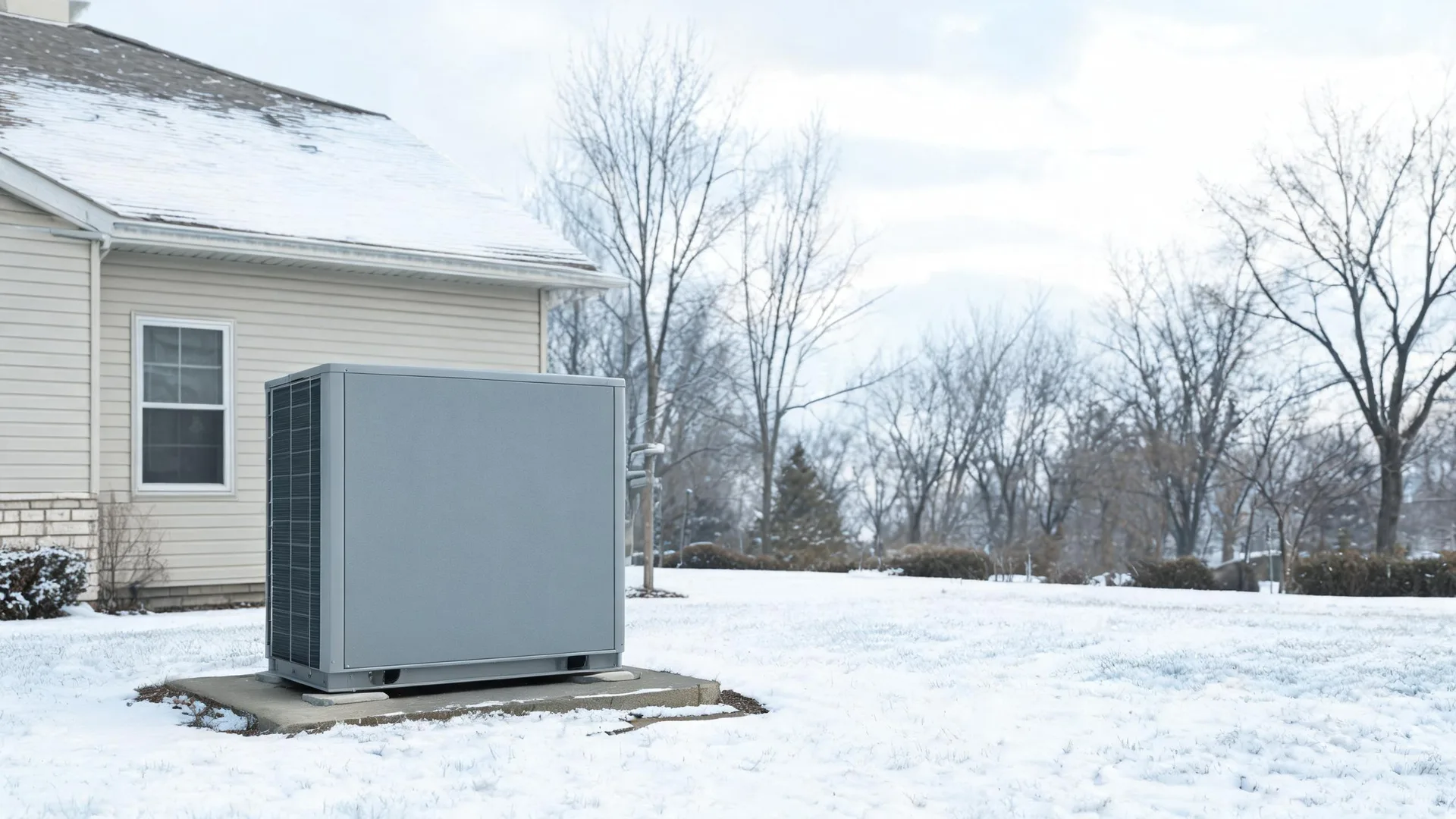
A dark gray heat pump unit mounted on a concrete pad next to a house with gray siding and a stone veneer wall.

Ask what you're really paying for

If your heat pump came with the house and the house dates to 1966 or earlier, ask the tech straight out how much life is left in it before you pay for the repair. A compressor replacement on a unit that old can cost more than it's worth. Have them check the age on the nameplate while they're already there, and get a straight answer on whether this is a fix or a stopgap.

What you'll actually notice first

A heat pump in trouble rarely just quits. It runs longer than it used to, blows air that feels less cold or less warm than it should, or cycles on and off more than it used to. You might hear a click that didn't used to be there, a rattle from the outdoor unit, or a hiss near the lines. Ice on the outdoor coil in the middle of a mild day is never normal. Any of these is the system telling you a part is struggling before it quits outright.
Why waiting costs more than the repair

A heat pump that's straining doesn't fail cleanly. A weak capacitor makes the compressor pull harder to start, which wears the compressor. A dirty coil makes the fan run longer to move the same heat, which wears the motor. Whatever is off tends to drag another part down with it the longer it runs that way. Catching the noise or the short cycling early usually means replacing the one part that's actually bad, instead of whatever gave out next because of it.

Before anyone comes out, there's a few things worth checking yourself. Look at the outdoor unit and clear away any leaves, grass clippings or debris sitting against the cabinet, since blocked airflow at the coil shows up as weak heating or cooling inside. Check the air filter and swap it if it's gray or clogged. A filter that's choked cuts airflow through the whole system and makes the coil work harder than it should. Walk the house and make sure no vents are closed or blocked by furniture or rugs. Check the thermostat batteries if it has a screen that's dim or blank, since a dying thermostat can look exactly like a dead system. If you see ice built up on the outdoor unit, don't chip at it or force it off. Switch the system to fan only and let it run, which usually clears light ice on its own. None of this fixes a bad capacitor or a failing motor, but it rules out the simple stuff before a tech has to.

A repair makes sense when the rest of the system is sound and the part that failed is an isolated one, like a capacitor, a contactor, or a fan motor. Those wear out on their own schedule and swapping one doesn't tell you anything bad about the unit as a whole. Replacement starts to make more sense once the compressor is the problem. It's the most expensive part in the system and often the most labor to get at, so a tech will usually weigh that cost against a new unit before touching it. Age matters alongside this. A heat pump nearing the end of its expected life that needs a major part is a different conversation than a younger one with the same failure. Ask the tech what else they're seeing while they're in there. A system that's needed a few unrelated repairs in close succession is usually telling you it's wearing out generally, not just unlucky.