Heat pump stuck on emergency heat in Arkansas City, KS
Why is my heat pump stuck on emergency heat?
That red light or switch marked "emergency heat" usually comes on in one of two ways: either the system tripped into it on its own, or someone bumped the thermostat setting without meaning to. Either way, your heat pump is now running on backup heat alone, which in a Cowley County winter means your electric bill is doing more work than it should.
It means the outdoor unit has stopped and backup heat strip is carrying the whole load
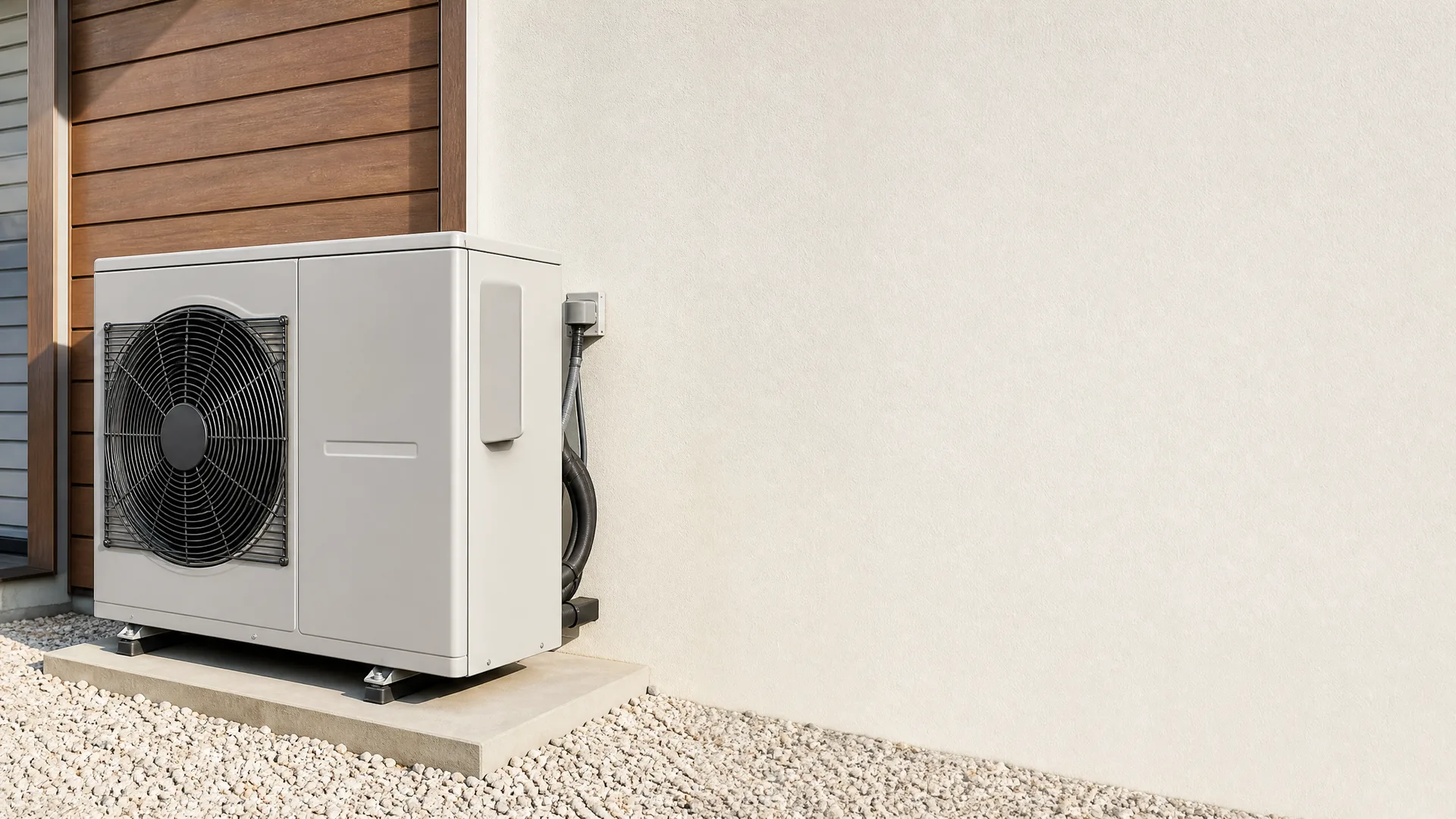
Emergency heat is a separate setting from the normal thermostat mode, and it shuts off the outdoor compressor entirely. The house still gets warm because electric heat strips inside the air handler take over, but that's a far more expensive way to heat a home through a Kansas winter than the heat pump moving warm air the way it's built to. Most of the time this switch gets thrown by accident, or a thermostat left in the wrong mode. But it can also happen because the outdoor unit tripped a safety switch, lost refrigerant, or the compressor failed outright. If the switch is where it should be and the system is still stuck in emergency heat, the outdoor unit needs a technician to look at it before the cold really sets in.
Why the system trips on its own
Your thermostat has a backup setting that switches on when the outdoor unit can't keep up or when it senses a fault, like a frozen coil or a compressor that won't start. It's a safety function, not a breakdown by itself. But it means the heat pump has stopped doing the work and the backup heat strips or furnace are carrying the whole house. Those cost more to run than the heat pump, which is why the bill is the first place most people notice something is wrong.
What a frozen coil tells you
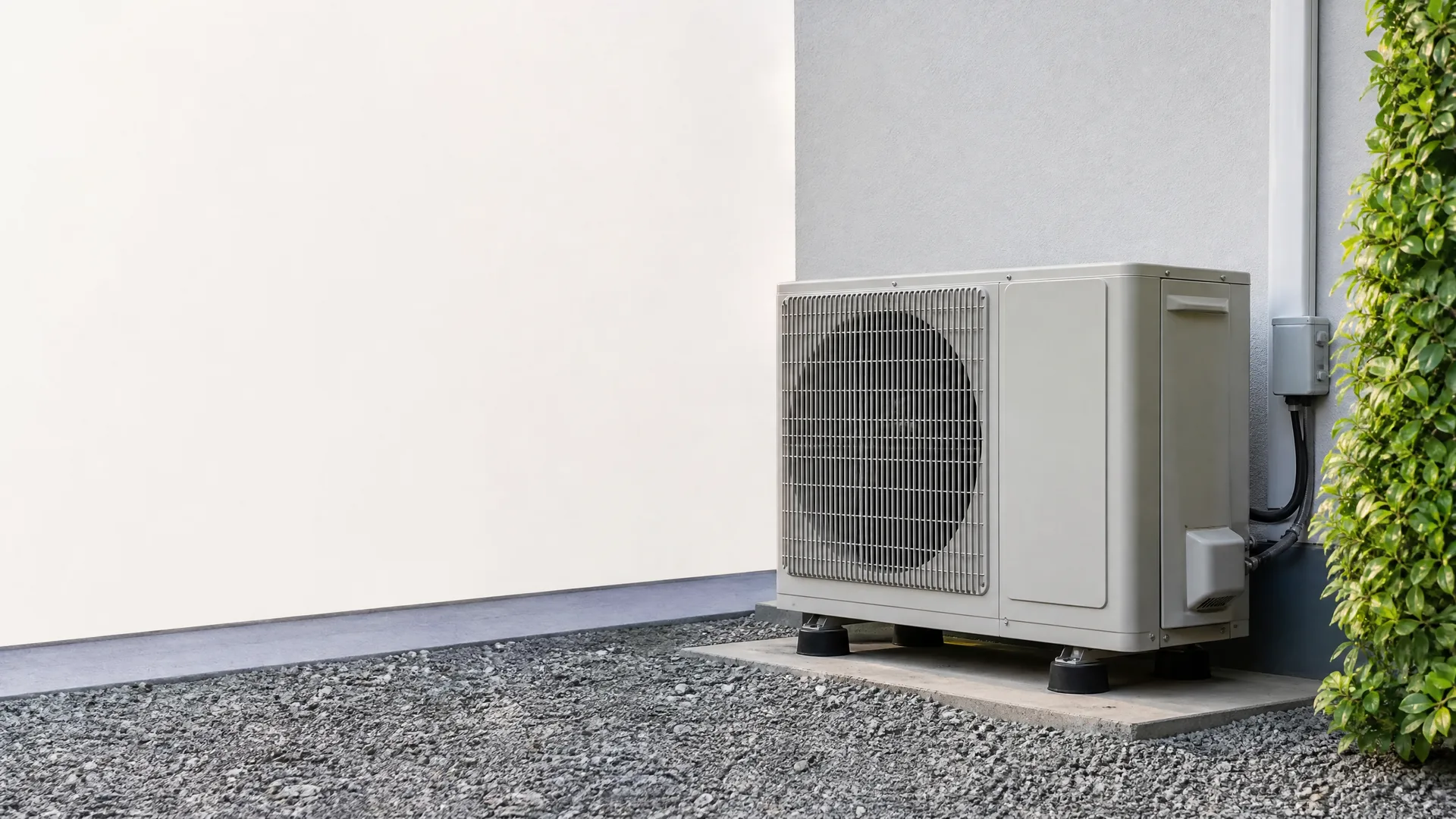
Cold weather alone shouldn't ice up the outdoor coil. Heat pumps are built to defrost themselves on a cycle through the winter months Arkansas City gets. A coil that stays frozen points to something keeping that defrost cycle from working right, a low refrigerant charge, a failed sensor, or a reversing valve stuck in place. Someone who works on these year-round can usually tell which one it is by looking at the unit running rather than guessing from the thermostat alone.
Why does the house feel different since this happened
You probably noticed the vents are blowing warm, maybe hotter than usual, but the system is running longer to get there. That's the backup heat strips doing the work your heat pump normally shares the load with. Check the thermostat: if it still says "emergency heat" after a day or two, it's not resetting on its own. Left alone through a cold stretch here, this is the most expensive way to heat a house, since electric strips use far more power than the heat pump compressor they're replacing. You might also notice the outdoor unit isn't running at all, or it's caked in ice. Either sign means the heat pump side isn't contributing, and the house is leaning entirely on backup.




How long will emergency heat run up your bill?
Winter nights average 25°F
Nights average 25°F here in December, January and February, and emergency heat uses electric strips instead of the compressor to fight that cold.
Heat runs October through April
Heat runs here from October through April, about seven months. That's a long stretch to leave emergency heat on by mistake.
Cooling runs May through September
Cooling takes over May through September. Once the heat pump switches modes for summer, a thermostat stuck on emergency heat stops being a concern until fall.
NOAA nClimDiv 1991-2020
Leave it on emergency heat for now
If the switch is already set to emergency heat and the house is warm, there's no harm in leaving it there until someone can look at the outdoor unit. The strips will keep the house heated through the cold snap. Your electric bill will run higher than normal while it's set this way, since the strips do all the work the compressor usually shares, but the house stays warm and nothing gets damaged by waiting a few days. This is the safer choice if you're not sure what tripped the switch or if the outdoor unit is frozen over and you'd rather not touch it yourself.
Switch it back and see what happens
You can also set the thermostat back to normal heat and watch what happens. If the outdoor unit starts up, runs, and the house heats normally, whatever tripped it may have cleared on its own, like a short power blip or a coil that had time to thaw. If the system won't start, trips back to emergency heat again, or the outdoor unit still looks frozen, you've learned something useful: the problem is still there and needs a technician who works on heat pumps to find out why. Either way, you're not guessing anymore.


Hand off the search today
A heat pump stuck on emergency heat is still telling you something the moment it happened. Maybe the outdoor unit iced over in a cold snap, maybe the compressor won't start, maybe the thermostat got bumped by accident. You don't need to figure out which from inside the house. Someone who works on heat pumps around Cowley County every winter has seen all three this season already and knows which one leaves a coil frosted solid and which one is a bad sensor. That's the call this sends out, to one local contractor licensed to work on your system, not a handful competing for the job. Leaving the house on strip heat a few more days while that gets arranged costs you on the power bill, but it won't hurt the equipment. What it won't fix on its own is whatever tripped it in the first place. That part needs a hand on the outdoor unit.
What's Happening Inside the Outdoor Unit
- The outdoor unit has a defrost board that checks coil temperature every 30 to 90 minutes depending on the model.
- When frost builds past a set point, the board reverses the cycle briefly and sends the compressor's heat outside to melt it.
- If that reversing valve sticks or the sensor reads wrong, the board never ends defrost and the thermostat falls back to the strips.
- A failed run capacitor can stop the compressor from starting at all, which the control board reads the same way as a frozen coil.
- Low refrigerant charge from a slow leak drops the coil temperature further, so the unit frosts up faster than it should.
- The contactor that feeds power to the compressor can pit and stop closing fully, leaving the outdoor fan running with no heat behind it.
The outdoor unit isn't just sitting there blowing cold air for no reason. It's running a defrost cycle that depends on a control board, a reversing valve, and a handful of electrical parts all doing their job in order. The board checks the coil every half hour to hour and a half, looking for frost buildup. When it finds enough, it flips the reversing valve for a few minutes so the compressor's heat melts the ice off the coil instead of warming your house. That's normal. The problem starts when something in that chain doesn't work right. A reversing valve that sticks, or a sensor that reports the wrong temperature, means the board never gets the signal to end defrost, so it keeps the system locked out and the thermostat falls back to the strips to keep you warm. A run capacitor that's failed won't let the compressor start at all, and from the board's side, that looks identical to a frozen coil. A slow refrigerant leak makes the coil run colder than it should, so frost forms faster and the defrost cycles can't keep up. And the contactor, the switch that sends power to the compressor, can pit over time until it stops closing all the way. When that happens, the outdoor fan still spins, but there's no compressor behind it doing the actual heating. Any one of these can be why the thermostat gave up and switched to emergency heat on its own.
Power here costs 14.39 cents per kilowatt-hour
At 14.39 cents per kilowatt-hour, running the strips isn't cheap, but it isn't the rate spiking your bill either. It's the strips running hours at a stretch instead of your compressor sharing the load. Once the outdoor unit is fixed, the heat pump goes back to carrying most of that work for less.
EIA-861 2025
A heat pump stuck on emergency heat either tripped there on its own because of ice, a bad defrost board, or a compressor that won't start, or someone bumped the thermostat. Either way, the house stays warm while the strips carry the load, and the outdoor unit still needs a look before it goes back to sharing that work. Cowley County winters run cold enough that a stuck heat pump isn't something to leave for long, and someone who services this equipment all season knows the usual causes, the defrost board, the reversing valve, the compressor, and can narrow it down fast once they're at the unit. You'll get matched with one licensed contractor local to Arkansas City, not a handful of companies calling at once, so you're dealing with one person who knows the equipment and the area. The system will keep running on the strips until then. Once the outdoor unit is fixed, the compressor goes back to doing most of the work, and the switch goes back to where it was.
Stop chasing a heat pump pro
You're not committing to anything by asking.
A local contractor who works on heat pumps all winter can usually tell what tripped the switch before they even pull the panel off the outdoor unit. Send the request and the strips can keep carrying the house while someone gets the compressor or the defrost board sorted out.