

Before you get your heat pump repair
You're listening for whether the noise is getting worse, running space heaters as backup, and wondering if it's safe to leave the heat on overnight.
A heat pump that bangs, grinds, or rattles in the middle of a cold snap is not something to sit on, and in Cowley County winters you need the heat working, not making noise while you wonder what's wrong. Your first move is probably a search like this one, then a round of calls to contractors who answer when they feel like it, ask you to describe the noise three different ways, and quote you blind over the phone. That's the part that wastes your afternoon. Instead, one request here gets you matched with a licensed contractor working in Arkansas City and the surrounding area, someone who hears this kind of noise on heat pumps all season and knows what tends to cause it in this equipment. You explain the problem once. No list of companies to sort through, no comparing strangers against each other. Just a local pro who works on these systems regularly, ready to take a look.
You hear it from inside the house, a bang when the unit kicks on, a grinding while it runs, or a rattle that comes and goes. You want to know if this is something to shut off right now or something that can wait for a service call. The sound itself usually points to where the problem is.
A bang when the unit starts is often a contactor or a duct that pops as air pressure changes. A grinding or screeching sound usually means a motor bearing is wearing out, in the outdoor fan or the indoor blower. A rattle that comes and goes can be a loose panel, a stick or piece of ice caught in the outdoor fan, or a screw that worked itself loose. Cowley County winters put a heat pump through long, steady runtime, and that kind of use is what wears a bearing down or shakes a panel loose over a season. None of these noises mean you should run the system harder to push through it. Shutting it off and having someone look at what is loose or worn before it damages the motor is the better move.
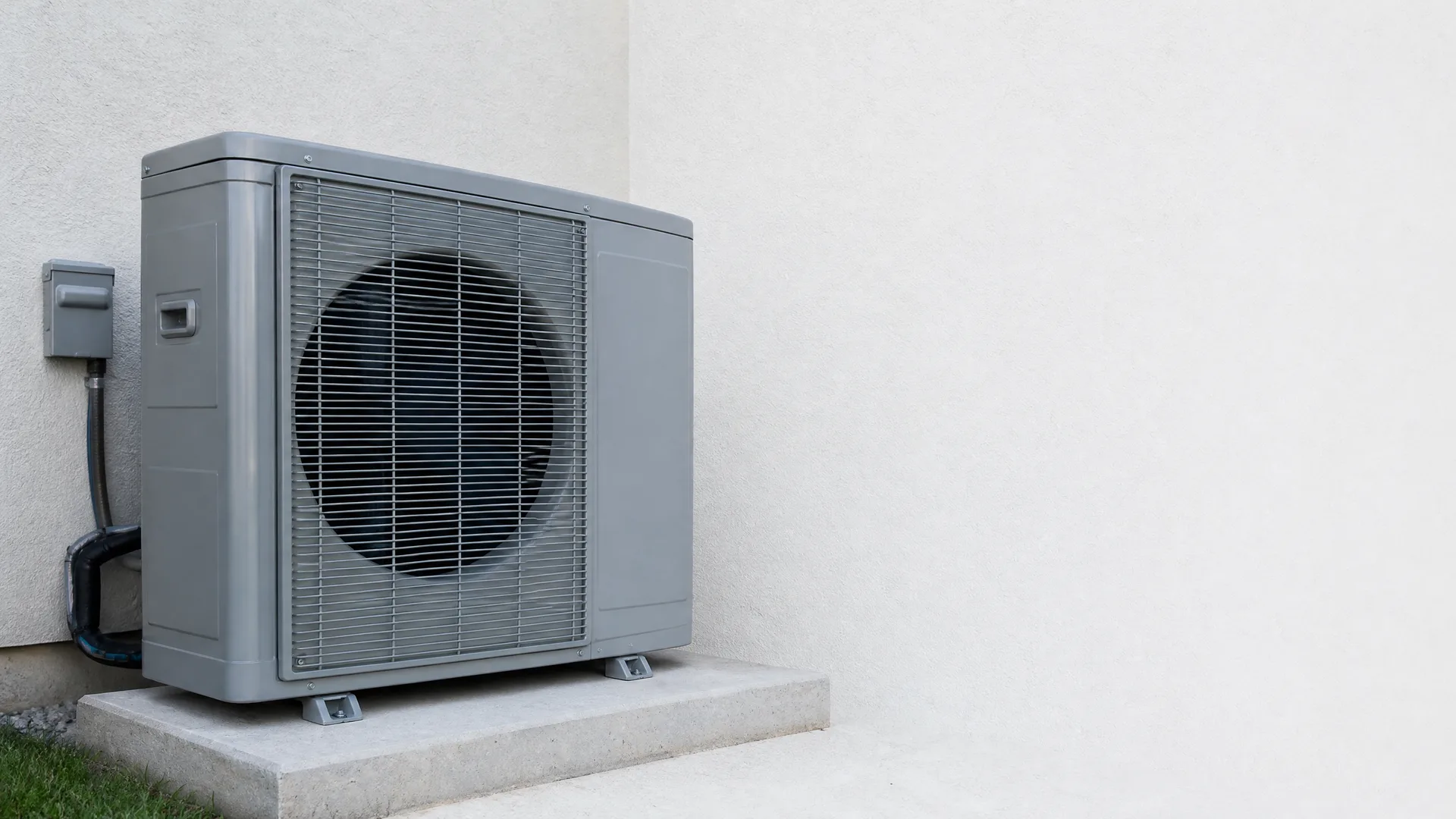
A bang at startup is often the ductwork flexing as air pressure changes, or it can be a reversing valve shifting position. A grinding noise points to the outdoor fan motor bearings or a blower wheel that's come loose. A rattle usually means a panel screw has worked its way out, or ice and debris are hitting the outdoor fan blade. Each of these wears differently, so the sound is the first clue to which part is failing.
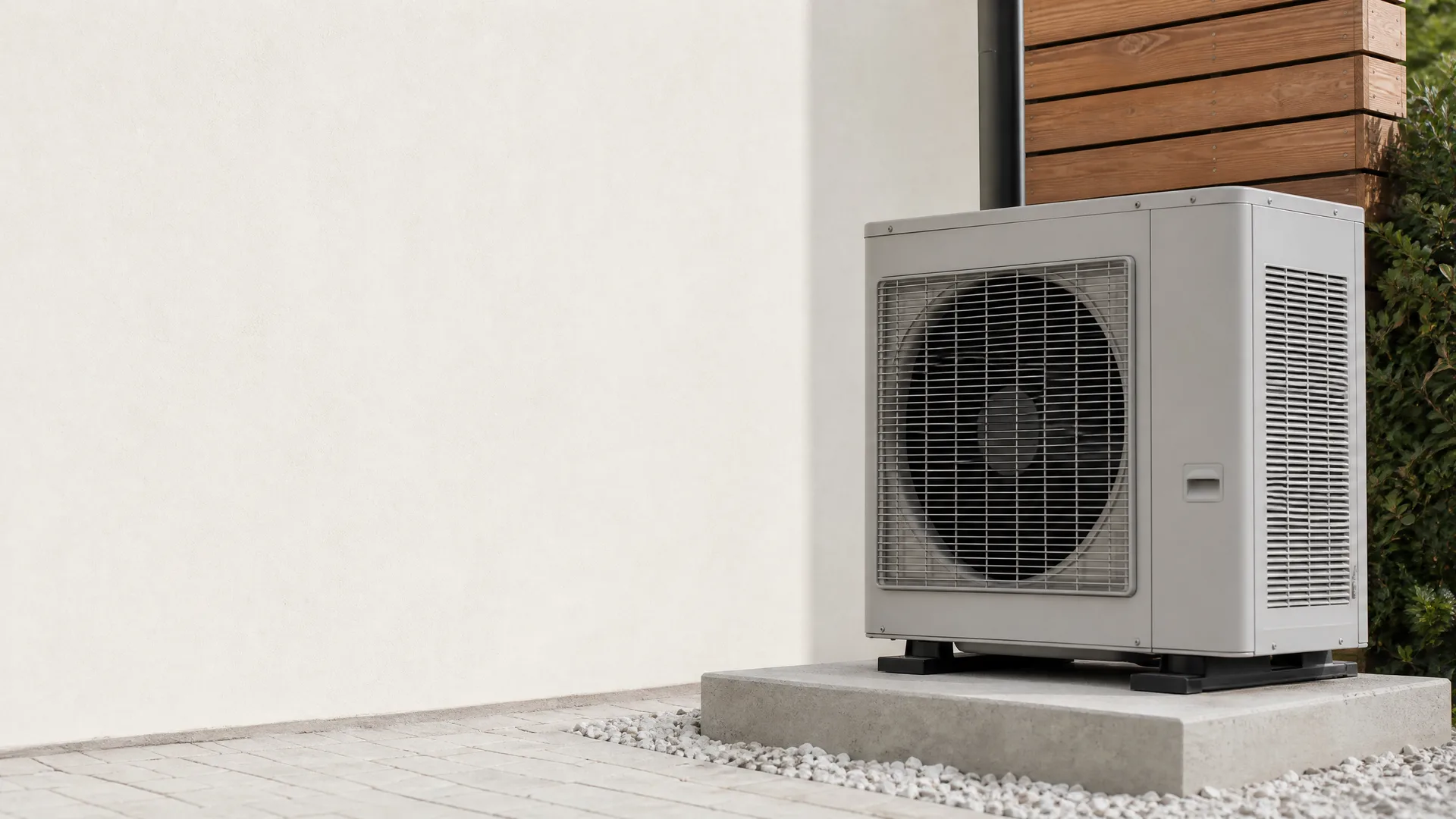
Your heat pump's outdoor unit runs through defrost cycles all winter, switching the reversing valve back and forth to clear frost off the coil. That valve is a common source of a loud clunk or hiss you hear right as the system switches modes. The fan motor inside that same cabinet sits exposed to wind and cold all season, which is part of why bearing wear shows up as noise before the motor fails outright.
Walk outside while it's running. A grinding or screeching from the outdoor unit usually gets louder over hours or days, not weeks, because a failing fan motor bearing wears fast once it starts. A rattle that comes and goes might be a panel or a loose part bouncing around the cabinet, and left alone it can work itself into the fan blade or the coil. A bang at startup on its own usually isn't an emergency, but paired with weak heat it points to the reversing valve, and a heat pump stuck between cycles won't keep up on a cold Cowley County night. If the sound changed the way your house heats, or the unit shut itself off, that's the one to act on first.




A licensed pro who repairs heat pumps in Cowley County gets your request.
You only hire the pro if you want to.
A heat pump is built to switch directions, something a straight air conditioner never does, and that switching is where a lot of these noises start. The reversing valve is the part that lets the same unit heat your house in January and cool it in July. It does that by shifting a slide inside the valve body, and when the valve sticks partway, that shift turns into a hard clunk you can hear from inside. Outside, the fan blade pulls air through the coil, and it only takes one hit from a branch or a chunk of ice to throw a blade out of balance. Once that happens, it taps the shroud around it on every single turn, fast enough that it sounds almost like a rattle. Inside the cabinet, the blower wheel is held onto its shaft by one small set screw, nothing more, and if that screw works loose over time, the wheel starts to wobble and slap against the housing around it. Cold weather brings defrost cycles, where the unit reverses itself for a few minutes to melt ice off the outdoor coil, and the hiss or thunk that comes with that is the valve doing its job, not a sign of trouble. Compressors sit on rubber mounts that absorb vibration, and a failed mount lets the whole cabinet buzz or hum instead of running quiet. Sometimes it really is just a panel screw that worked loose, vibrating against the metal every time the compressor kicks on.
Winter nights average 25°F
Winter nights average 25°F. A heat pump has to work hardest right around there, so a noise that started this time of year often gets worse before it gets better.
Heat runs October through April
Heat runs October through April here. That is seven months of a heat pump cycling on and off every day, which is seven months for a worn part to keep knocking.
Cooling runs May through September
Cooling runs May through September. The same unit that's rattling now will be carrying the house through next summer too, so it's worth finding the cause before then.
NOAA nClimDiv 1991-2020
A grinding or screeching from the outdoor unit means a bearing is already failing. Running the system longer doesn't give it a chance to heal, it just pushes the fan motor toward a full seizure, and once that happens the compressor can take damage trying to run without airflow across the outdoor coil. If you're hearing this on a cold night in Cowley County, shut the system off at the thermostat and get someone out before you run it again. A contractor local to Arkansas City who works on heat pumps all winter can usually tell from the sound alone whether it's the fan motor or the blower wheel, and get the right part on the truck the first trip instead of ordering it after a look.
A bang at startup from a reversing valve, or a rattle from a loose panel or a bit of ice on the outdoor fan, isn't usually an emergency. The system can keep heating your house while you wait a day or two for a real appointment instead of an after-hours call. That still means getting someone out this week, not letting it go all winter, since a valve that's starting to stick tends to stick harder over time. Calling one local contractor instead of sorting through several means you're not explaining the same bang and rattle three different times to three different companies, just to whoever actually shows up.


You're listening for whether the noise is getting worse, running space heaters as backup, and wondering if it's safe to leave the heat on overnight.
A local contractor who works on these units every winter has already looked at it, named the part, and fixed it. No more wondering what the noise is.


At 14.39 cents per kilowatt-hour, a heat pump straining against a bad bearing or a stuck reversing valve is pulling harder than it should on your power bill. A noisy unit working overtime to heat the house isn't just loud, it's costing you more every hour you leave it running.
EIA-861 2025
A heat pump that bangs, grinds, or rattles is telling you something specific, and a contractor who hears it described will usually know what to check first. That's the kind of thing you learn from working on these units every winter in Cowley County, not from a guess. Once you request service here, you're matched with one licensed local contractor, not a handful of companies competing for your callback, so you explain the noise once and the right person shows up knowing the local cold and what it does to a fan motor or a reversing valve. The noise itself won't get better by waiting. A bearing wears faster once it starts, a loose panel keeps working itself looser, and a stuck valve doesn't unstick on its own. Getting it looked at now is what settles the question of whether this is a quick fix or something bigger, and it gets your heat back to running quiet through the rest of the winter.
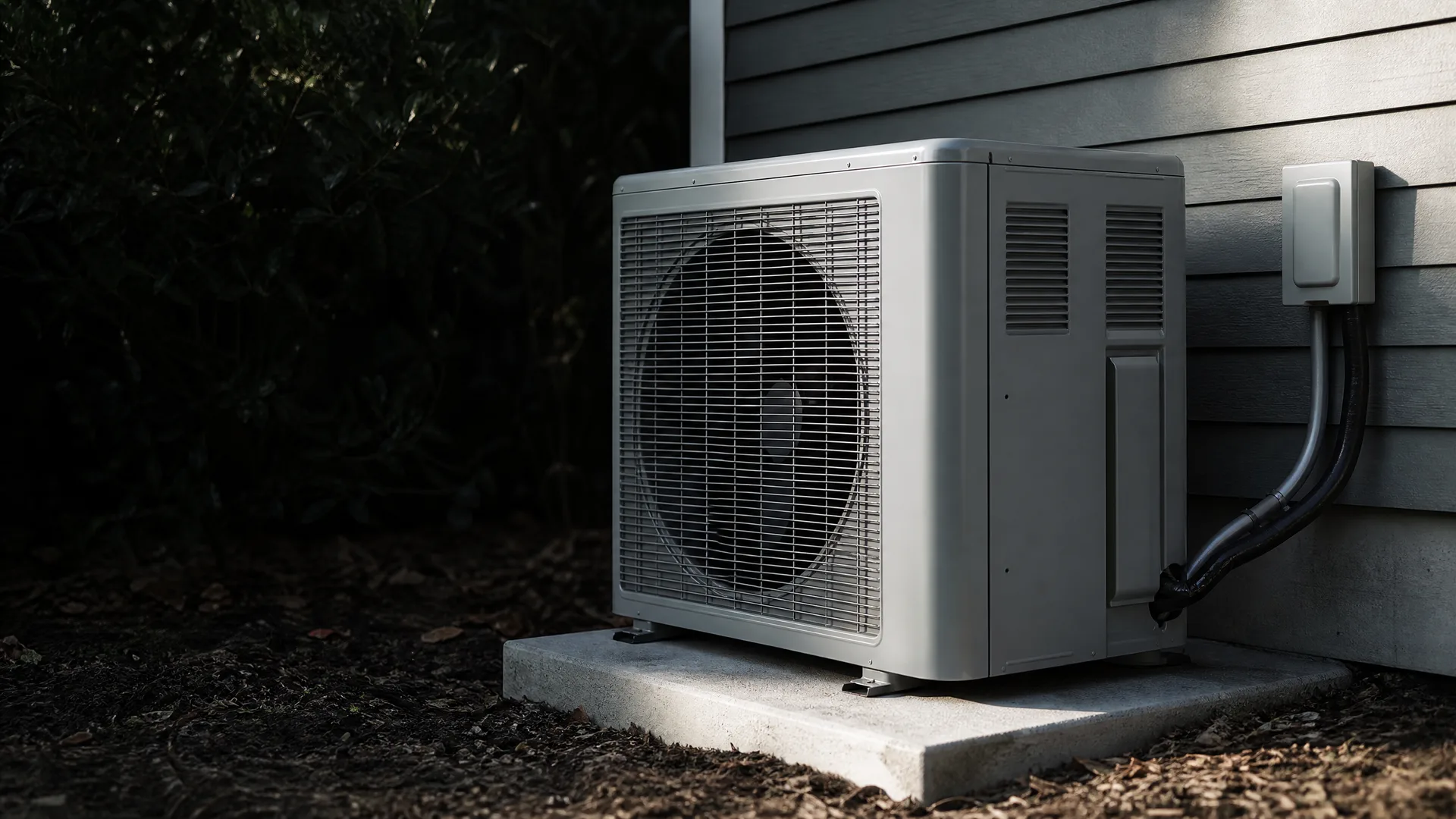
Skip calling around