

Running clean
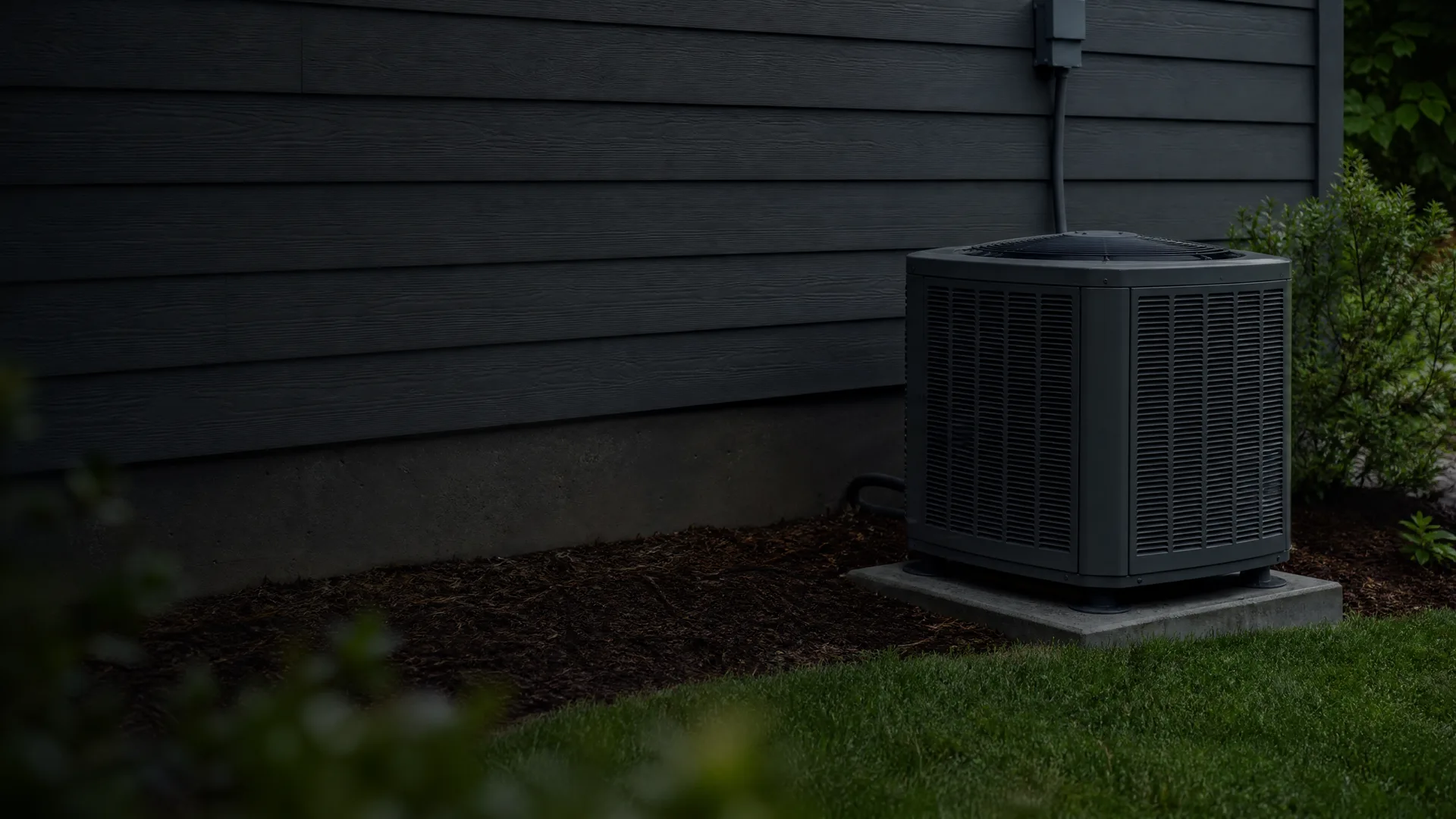
A unit like this one has open fins and a clear cage, so air pulls through the coil the way it was designed to. The hum stays steady and even because the fan and compressor aren't fighting anything to do their job.
Get matched with a pro who fixes air conditioners in Saline County.
Find my proA loud noise from the outdoor unit or inside at the vents is easy to notice and hard to ignore, especially once an AC has been running hard through a Salina summer. You want to know if it's something to shut off right away or something that can wait for a service call, and what's actually making that sound in the first place.
A banging or clanking sound often means a part has come loose inside the outdoor unit, like a fan blade that's bent or hitting something, or a compressor part that's wearing out. A high-pitched squeal usually points to the fan motor bearing or a belt, though most residential AC fans run without a belt, so the motor itself is the likely cause. Buzzing can mean loose wiring or a failing capacitor. Rattling is sometimes just a stick or debris caught in the fan cage. With summers in Saline County running long and hot, the system logs a lot of hours, and a part that's been working loose finally makes itself heard. A new noise is worth having looked at before it turns into a bigger repair.






The noise your AC makes points to a specific part, and the timing of it narrows things down further. A screech when the unit first kicks on usually comes from the fan motor bearing. Once that bearing dries out, the fan blade has room to wobble and it rubs the housing on every rotation. A bang right at startup is a different problem. That's often the compressor mount, worn enough that the compressor shifts before it settles into a steady cycle. Rattling that changes with the fan speed almost always traces to the blade itself, either loose on its hub or catching on something lodged between the blade and the shroud. A squeal that fades after a minute or so is belt or bearing noise in older equipment, though most systems around Salina run without belts, so this one is less common here. Clicking that repeats every few seconds without the unit ever starting is a relay or contactor trying to close and failing each time. And a low buzz from the outdoor unit isn't always the motor or compressor at all. Loose panels can vibrate against the cabinet and make a sound that's easy to mistake for something mechanical. Knowing which of these matches what you're hearing is the first step. Fixing it means opening the cabinet and looking at the part itself.


A loud noise rarely stays just a noise. A screeching bearing keeps wearing until the fan blade finally hits the housing it's been wobbling against, and that turns a motor job into a motor and fan replacement. A banging compressor mount lets the compressor move a little more each cycle, and the refrigerant lines running to it are copper, which fatigues with repeated movement until one of them cracks. Running the unit while you wait only adds hours of that same wear. Shutting it off at the breaker until a contractor looks at it costs you cooling for a day in a Salina summer, but it stops the damage where it is right now.
Salina summers push the outdoor unit hard for months at a stretch, and that long runtime is exactly what turns a small amount of wear into a loud noise sooner than it would somewhere milder. A fan motor bearing or a compressor mount under light, occasional use might go years without complaint. Under a Saline County summer's hours of daily operation, the same worn part announces itself fast. That's also why the outdoor unit is where most of these noises start, rather than the indoor coil or ducts. It's doing the harder, longer work, and it's sitting outside exposed to the dirt and debris that speed up corrosion on the mounts and fan housing.
Five months of the year, May through September, your AC in Saline County is running close to every day. A noise that shows up early in that stretch has a long summer ahead of it to get worse, so it's worth tracking down now rather than waiting out the season.
NOAA nClimDiv 1991-2020

A unit like this one has open fins and a clear cage, so air pulls through the coil the way it was designed to. The hum stays steady and even because the fan and compressor aren't fighting anything to do their job.

Caked dirt and debris packed into the fins block airflow and make the whole unit work harder to move the same amount of air. That strain is often what you're hearing, and it won't clear up on its own.


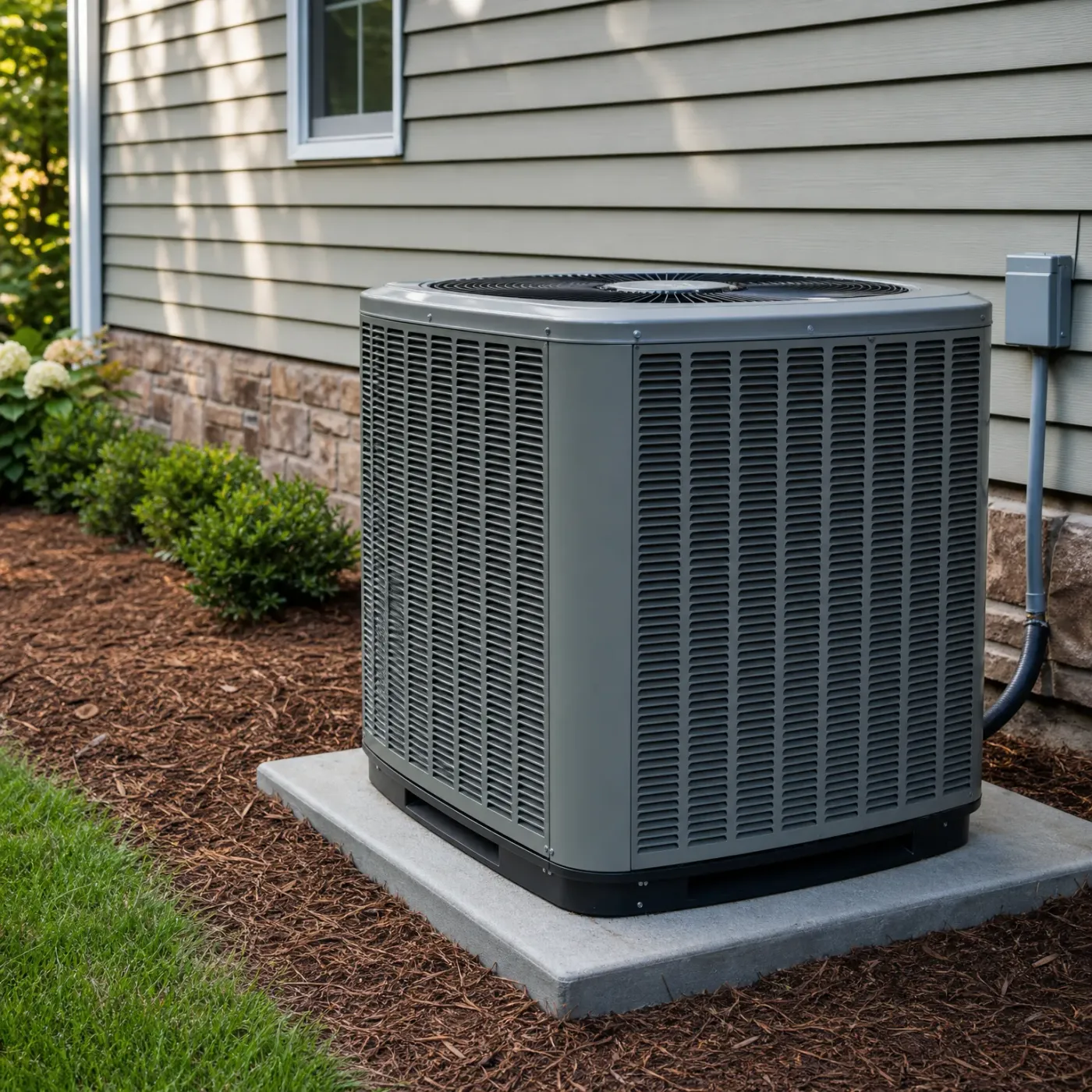
A licensed pro who repairs air conditioners in Saline County gets your request.
A Saline County pro who repairs air conditioners gets your request.
No charge to send it. You decide if you hire them.

A noise you can hear from the patio or through the wall usually means the unit is working harder than it should to keep your house at the temperature you set. That extra strain shows up on your power bill before it shows up as a repair, and it keeps showing up every day the noise goes unaddressed. If the sound is loudest in the room nearest the outdoor unit, or at the vents in whichever room you're in, that tells you something about where the problem sits, and it's worth mentioning when you describe it.
Letting it run through the rest of the summer risks a breakdown on the one day you need the house cool the most, and a repair that gets harder the longer a worn part keeps wearing against whatever it's rubbing. Someone local who works on this equipment through every Salina summer has heard this exact noise plenty of times and knows what it usually turns out to be once the unit is open. Getting matched with one contractor who already knows the territory means one visit, one diagnosis, not a string of callbacks while the noise gets worse.

Summer air in Saline County holds a dew point around 63°F, the figure that tells you how heavy it feels rather than just how hot. That kind of moisture load means your AC isn't just cooling the air, it's wringing water out of it too, and the compressor runs longer each cycle to do both. A unit already struggling with a bad bearing or a loose mount has less time to rest between cycles on a day like that. If the noise started on a muggy afternoon rather than a mild one, that's worth noting, since the extra strain can be what pushed a small issue into one you can hear.
NASA POWER T2MDEW
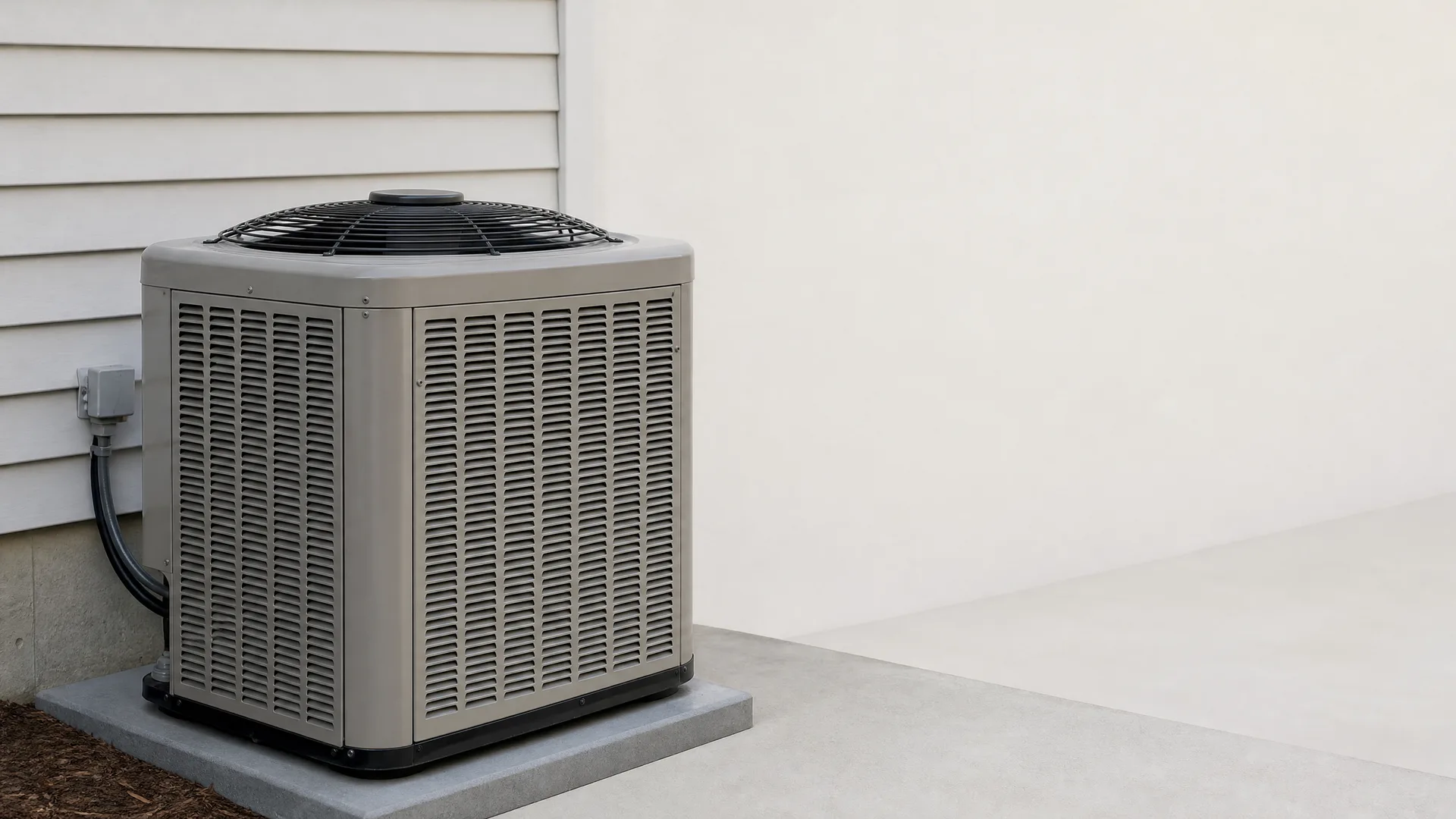
A unit that's grinding, screeching, or banging on every cycle is telling you a part is already failing, not just worn. Waiting through a few more hot days in Salina usually means the fan blade or compressor takes damage that a sooner visit would have avoided. If the noise is loud enough that you notice it from inside the house, treat it like something that needs attention this week.
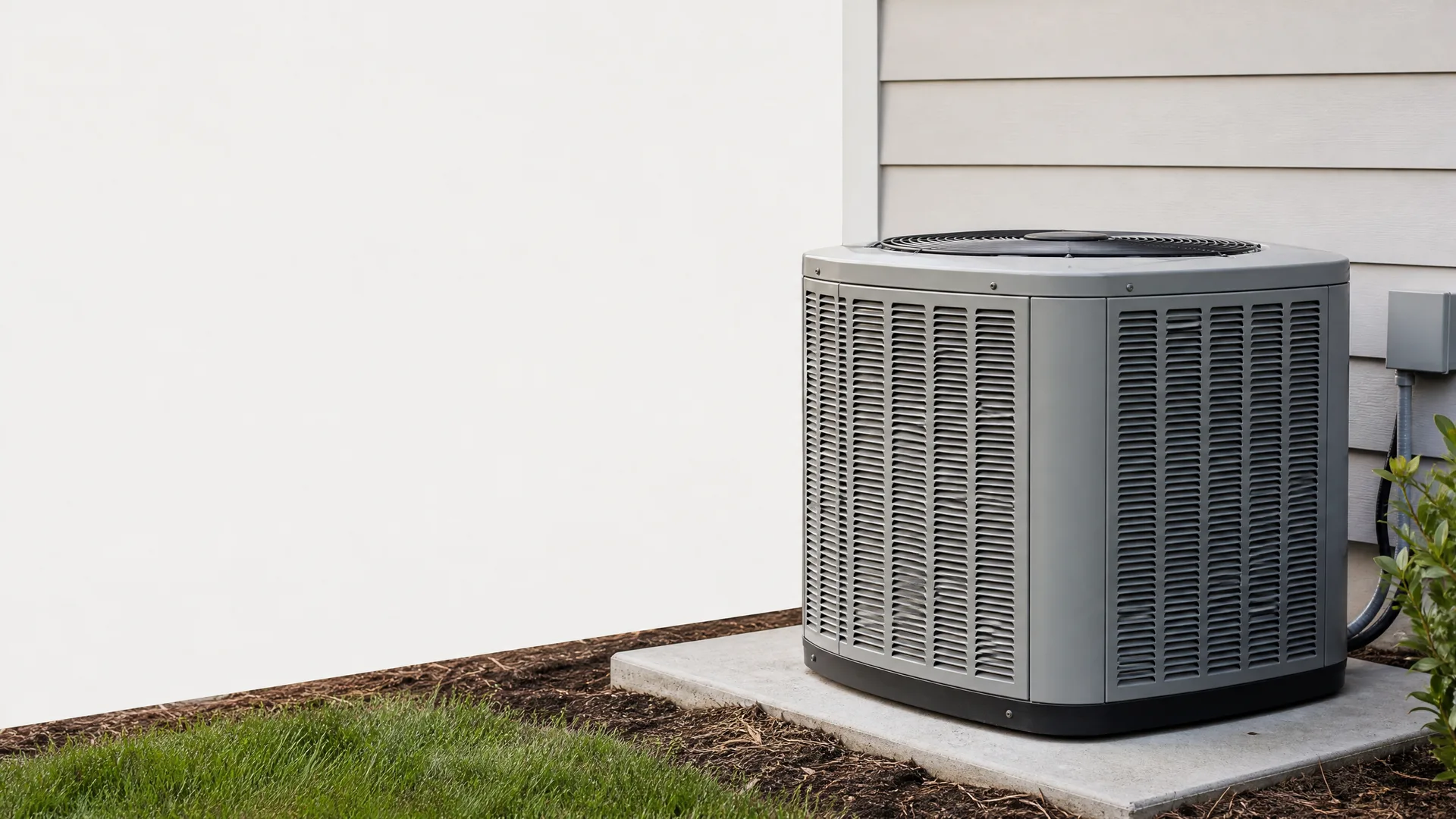
A soft rattle that only shows up once in a while, or a hum that's a little louder than usual, can often wait a few days while you keep an eye on it. Note when it happens and whether it's getting louder or more frequent. If it stays the same and doesn't bother you, it may just be something to mention at your next service visit rather than an emergency call.
A loud noise from your AC has a cause you can usually name once someone opens the unit up, whether that's a bearing drying out, a mount coming loose, or a fan dragging against grime it can't get through. Catching it now, instead of letting it run through the rest of a Salina summer, is what keeps a bearing job from turning into a compressor job. When you request a match, you get one licensed contractor local to Saline County, not a handful of calls from companies you don't know. Someone who services AC units in this area through every one of these summers has heard this exact noise before and knows which part is usually behind it. That's who shows up, not a stranger working from a guess. You already know the noise is worth dealing with. What's left is getting the right person out to look at it before it decides the timeline for you.
The pro who gets in touch is licensed in Kansas and works in Saline County.