





An outdoor air conditioning condenser unit mounted on a concrete pad next to a blue-sided residential house at sunset.

AC Installation in Baxter Springs, KS

Tell us about the job

Takes about a minute. No obligation.

New system or replacementCentral ACCherokee County, KS
Step 1 of 2

What ZIP code is the job in?

Electricity in Kansas runs 14.15 cents per kilowatt-hour, and a central air conditioner draws on that rate every time it cycles on. A unit that struggles to hit its SEER2 rating, or one that's simply undersized for the house, ends up cycling more to keep up. That shows up on the bill every month the system runs. When you're comparing units for installation, the efficiency rating on the label is worth reading closely, not skimming past. It's one of the few numbers that tells you something about what you'll pay long after the install is done.

5 months
May through September, your air conditioner is on duty
89°F
the average summer afternoon it cools against
73 hail events
in ten years, and hail bends the fins on outdoor coils
13.4 SEER2
the federal minimum any new unit must meet
Isometric line illustration of a cutaway house showing interior rooms, ceiling ductwork connected to an indoor air handler, and an outdoor condenser unit linked by refrigerant lines.
Your air conditioner works hardest from June through August.

NOAA nClimDiv, 1991–2020 normals

Utility gas heats 45.8% of homes in Cherokee County, more than any other fuel.

Most central air systems here get paired with a gas furnace, so installing the AC often means matching it to existing ductwork and a gas-fired air handler.

Cherokee County sees storms often, and the power doesn't always hold

158 severe weather events from 2015 to 2024
19% of homes statewide lost power a day or more in 2024
76 damaging wind events from 2015 to 2024

Half the homes in Cherokee County were built in 1966 or earlier. A house that age often has a duct system sized for a smaller, older cooling load, or no ductwork made for central air at all. Installing a new system here means matching the equipment to what's already in the walls, not just picking a unit off a spec sheet. If your home still has its original ducts, a contractor needs to check whether they can move enough air for the new system before anything gets installed. Get that wrong and the new unit can struggle no matter how good its efficiency rating looks on paper.

Size it for five months of 89 degree afternoons

Cooling runs five months straight here, May through September, with afternoon highs averaging 89°F across the summer. A system sized wrong works harder to keep up every one of those days. Get the sizing right at install and it keeps paying you back all season.

Find a contractor
An outdoor residential air conditioning condenser unit mounted on a concrete pad, surrounded by gravel with a blue sky in the background.

April is the month to get this done

Cooling starts in May here and runs through September. April is the month before that, the last stretch of mild weather before the system has to carry the house. Get the install done then and it runs through its paces before the season asks anything of it. Any adjustment a contractor needs to make, there's time for it. Wait past April and that same work happens after cooling's already started, with the house already needing what the new system isn't yet set up to give.

The rating is measured, not guaranteed

The efficiency rating on the label gets measured in a lab. The refrigerant charge is set exactly right there, and the airflow matches what the manufacturer specifies. A system only gets close to that number in the field if it's installed the same way, with the charge weighed in and the ductwork able to move the air it needs. A unit with a high rating and a sloppy install can run worse than a lower-rated one put in right.

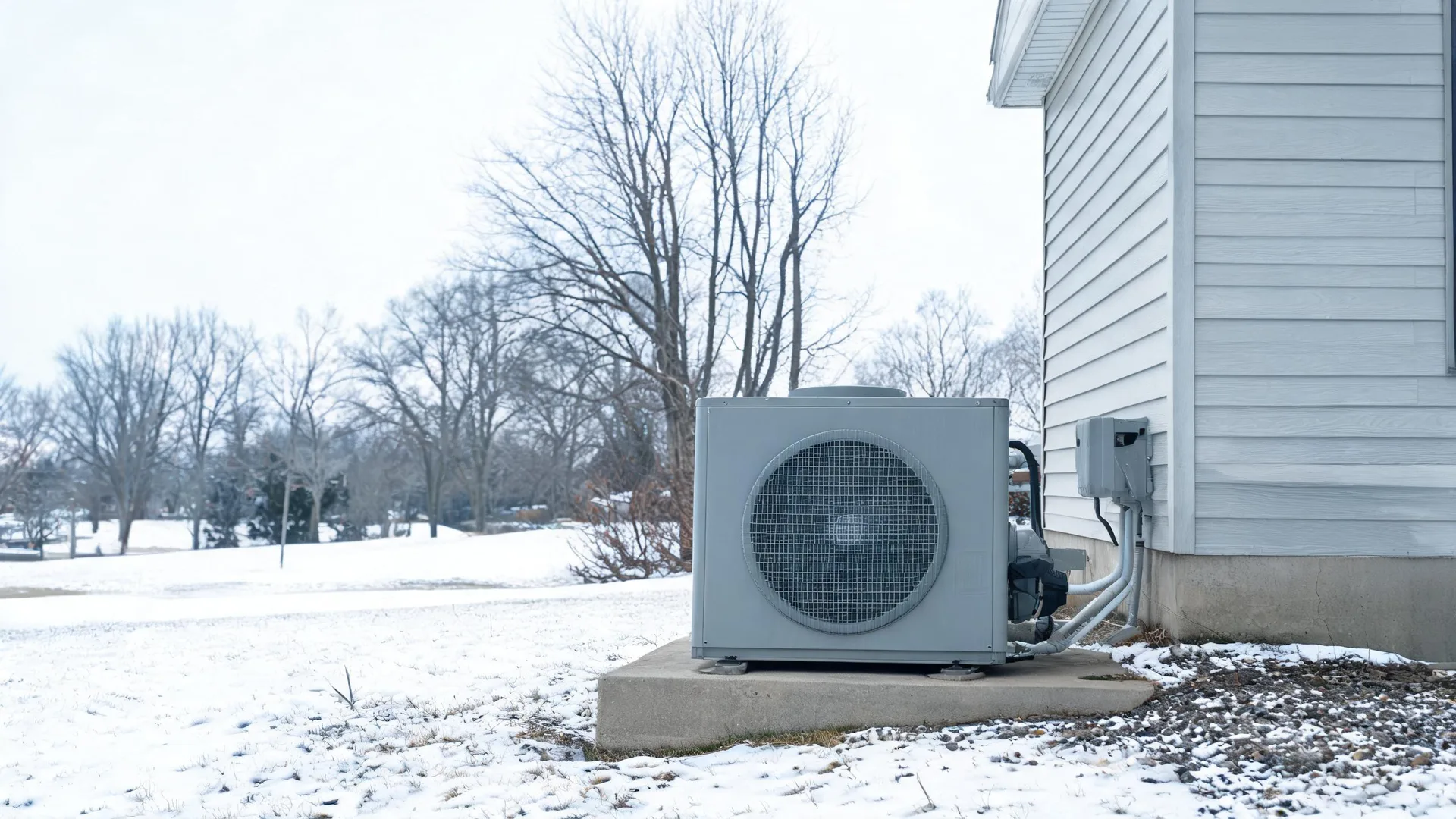
It tells you about summer, not about the install bill

The rating describes what the system costs to run once it's going. It says nothing about what it costs to put in. A higher-rated unit usually costs more upfront and less to operate afterward. Weigh that against how long you plan to keep the system and the house, not just the number on the label.

An outdoor air conditioning condenser unit installed beside the exterior wall of a blue vinyl-sided house at sunset.

A higher-efficiency unit would save about $40 a year to run in Cherokee County compared with a new unit at the federal minimum.

  • A higher-efficiency unit$330 a year
  • A new unit at the federal minimum, 13.4 SEER2$370 a year

Estimates for a typical Cherokee County home, from EIA household energy data, Kansas fuel prices and NOAA climate normals. Your home will differ.

Installation starts with the load calculation, not the equipment truck pulling up. A contractor measures the house, the windows, the insulation, and figures out how much cooling it actually needs before anything gets ordered. On the day itself, the old unit comes out first, condenser and coil both, and whatever's left of the old refrigerant lines gets checked to see if they can be reused or need replacing. The new coil goes in above the furnace, the condenser gets set on its pad outside, and the line set connecting them gets run and sealed. Once it's connected, the system gets charged with refrigerant to the exact weight the manufacturer specifies, not just until it feels cold. Then it runs through a startup check, airflow, pressures, temperature split at the vents, before anyone calls the job done.