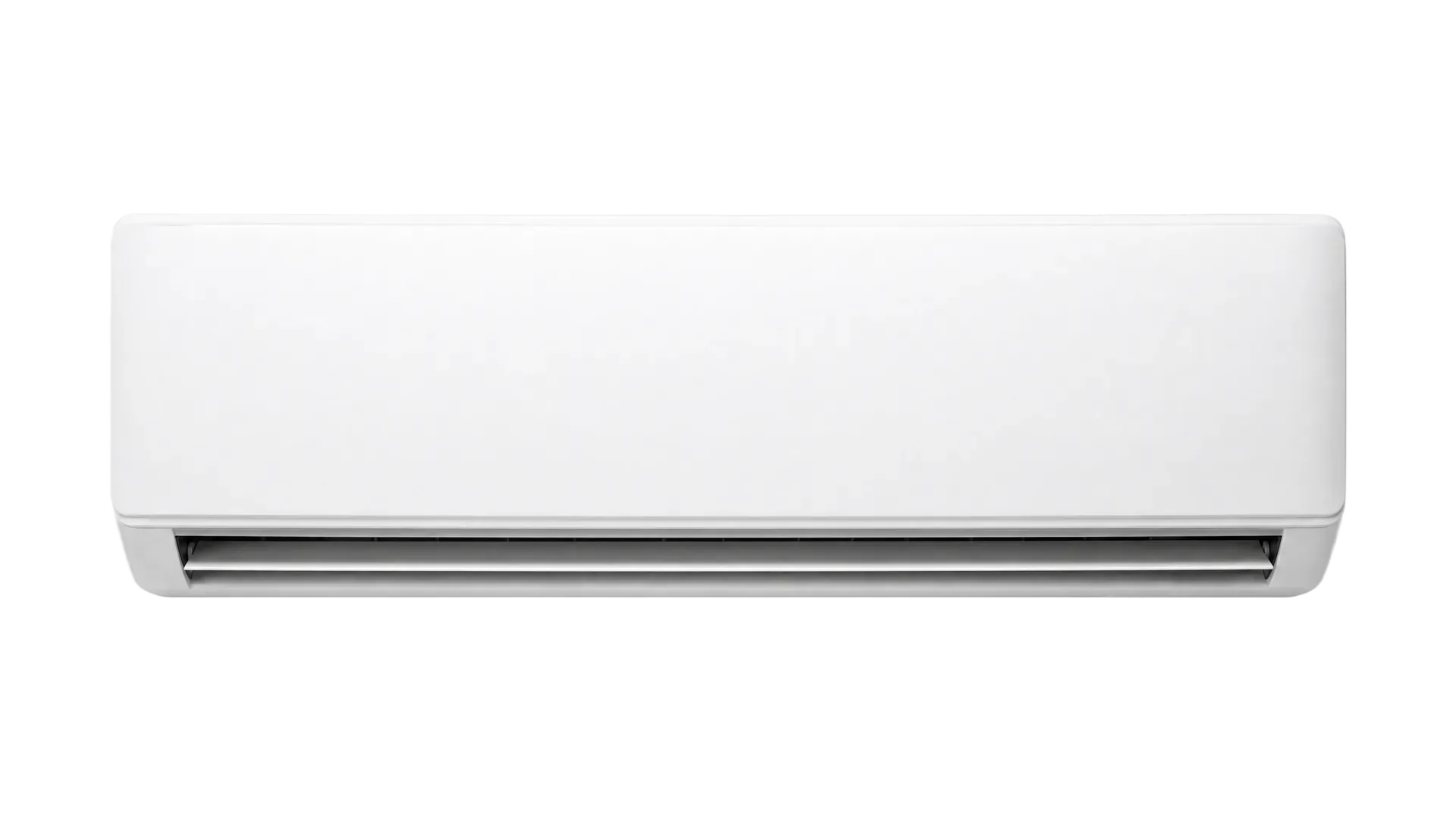
The right spot depends on which room gives the house the most trouble. In most Kansas homes that is a bedroom or living room that stays hot in July and August even with the rest of the house holding steady, because the gas furnace and central air share one thermostat and can't treat that room any differently. A mini split mounted high on an interior wall in that room, away from doorways and direct sun, cools or heats just that space on its own. The outdoor unit needs a clear spot on the north or east side of the house, out of the afternoon sun and clear of dryer vents, with room for airflow and a service technician to reach it. Where the indoor unit goes also decides how far the line set has to run to reach the outdoor unit, and a shorter run works better and holds up longer. The best placement balances the room that needs it most against a straight, short path outside.


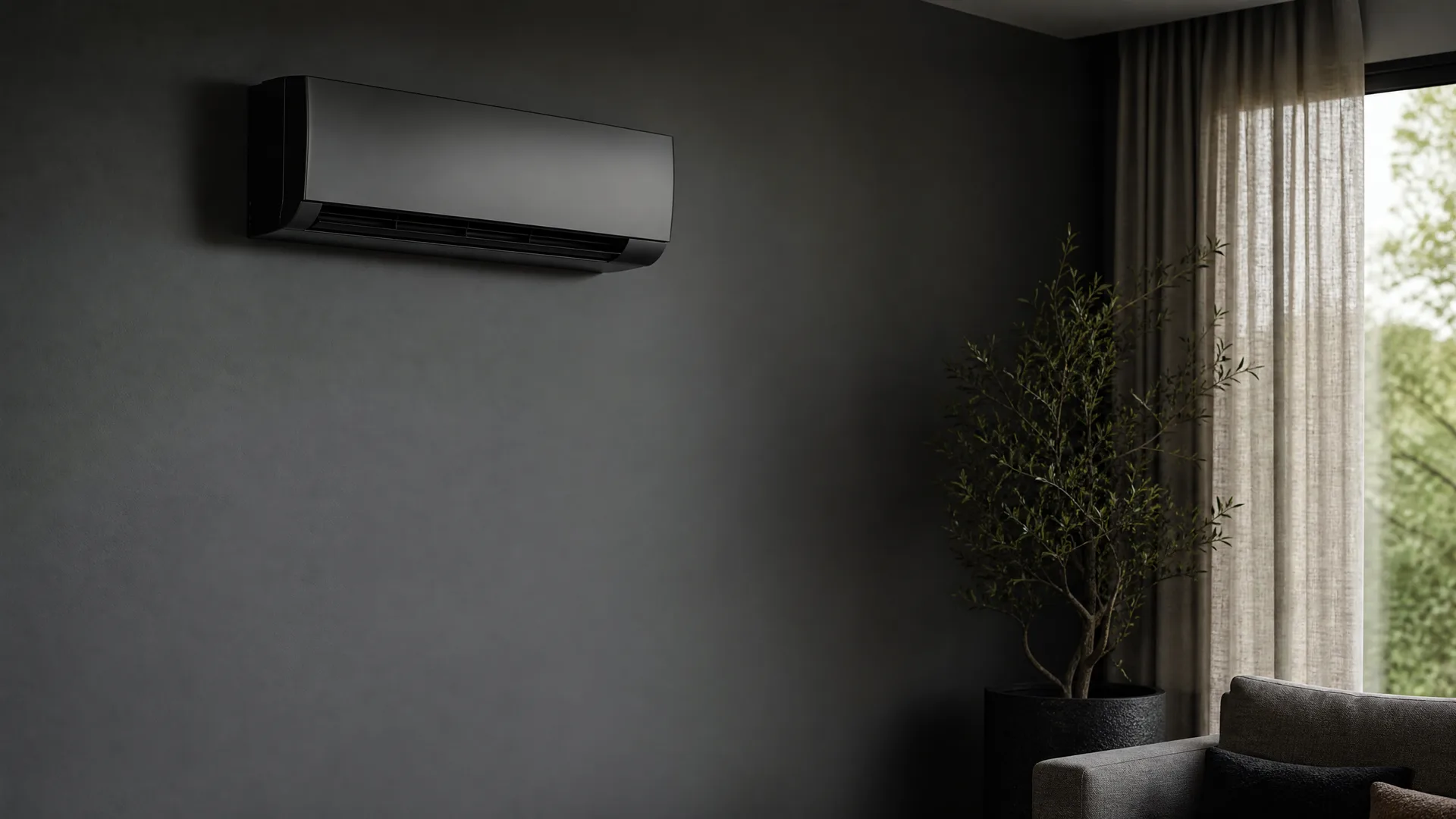
Placement is not a matter of finding open wall space. The indoor head goes high enough that the air stream carries across the room rather than landing on the couch below it, and it needs open air on both sides to pull room air in and push conditioned air back out. Where it sits on the wall matters too: away from the window that gets the afternoon sun, so the sensor inside the unit reads the room instead of the sunlit spot next to it. Outside, the condenser needs its own clearance, set where the fan can push air out freely and where runoff from the roof in winter won't land on top of it. The line set connecting the two runs through a single hole in the wall, and a shorter, straighter path between indoor and outdoor units holds onto more of the system's capacity than one with several bends in it. None of this is guesswork. It is the same handful of checks on every install, in the order a contractor actually works through them.
How a mini split gets placed
- The indoor unit mounts high on an interior wall, usually seven to eight feet up, so the air stream reaches across the room instead of blowing straight down on anyone.
- Installers leave a foot or more of clearance above the unit and to each side so the blower can pull room air in and push it back out without short cycling.
- The outdoor condenser needs a slab or wall bracket set away from the house, with enough clearance for the fan to exhaust air without blowing back against the wall.
- Line sets run from indoor to outdoor unit through one small hole in the wall, and a shorter, straighter run loses less capacity than a long one with several bends.
- Placing the indoor head on the wall opposite the room's main window keeps direct sun off the thermostat sensor, so it reads the room's real temperature instead of a hot spot.
- The outdoor unit sits where winter ice and snow sliding off the roofline won't land on it, since a blocked coil cuts into how hard it can run.




No quotes to chase

One installer gets your project, so there's no bidding war over it.
You only hire the pro if you want to.
Why the outdoor unit's spot matters
The outdoor unit needs a clear path for airflow on at least three sides, so it can't sit tucked against a fence or buried under a deck. It also needs to sit level and a few inches off the ground, since Kansas thunderstorms can leave standing water or wash mulch and grit up against the base. A north or east side of the house usually works better than full south sun, since the compressor doesn't have to work as hard in shade during a 95 degree July afternoon. Where the line set runs from indoor to outdoor unit also matters, since every extra foot of refrigerant line is a place for a leak to start.
Why one indoor head rarely covers a whole house
A mini split head is built to condition the room it's in, not to push air down a hallway or through a closed door. That's why the room with the worst summer heat, not the center of the house, is usually the right target. A bedroom over a garage or a living room with a west-facing window will stay hot even when the thermostat for the central system reads 72, because that air has to travel through ducts that lose some of their cooling along the way. Putting the head in that specific room means the air comes straight off the unit instead of traveling anywhere first.
Power costs 14.44 cents per kilowatt-hour statewide
That rate holds steady whether you run the mini split a few hours on a mild evening or all day during a July stretch. Since a mini split only conditions the room it serves, you're paying that rate for one space instead of pushing the furnace's ductwork and central air to cool the whole house.
EIA-861 2025 statewide residential average
Placement Decided, Installed Right
- Picking the right wall comes down to which room runs hottest in July and how much clearance the outdoor unit gets.
- Mounting height, clearance around the indoor head, and a level pad for the outdoor unit all affect how well the system performs.
- A local installer who sets up mini splits all season knows which walls in a typical Kansas home cause problems before the work starts.
- One contractor means one visit and one set of answers, not three different opinions to weigh against each other.
- Since this system runs alongside your gas furnace rather than replacing it, where it goes matters less for winter and more for the room it has to cool all summer.
- Getting the placement right the first time means you're not troubleshooting weak airflow or short-cycling after the unit is already on the wall.
The room that struggles in July is the room that decides where the indoor unit goes. Everything else, the mounting height, the clearance on each side, the pad under the outdoor unit, follows from that choice. None of it is guesswork once someone has looked at the wall and the spot outside it.
That's the part a local installer brings that a general contractor might not. Someone who sets up mini splits in Kansas homes all season has already seen which walls fight back, where a fence line crowds the outdoor unit, which rooms share a wall with ductwork that complicates the run. They've corrected for it before the crew shows up, not after the unit is already mounted and running weak.
Getting matched with one contractor instead of three means you explain the room once, to someone who's going to be the one standing in it. No comparing bids from people who haven't seen your house, no repeating the same details to a second or third company while they figure out if they even want the job. The installer who answers knows the equipment and knows the kind of walls Kansas houses have.
Your mini split still runs alongside the furnace. It still only has to handle the one room. But where it sits on that wall, and how much room it has to breathe on both sides, is what decides whether it does that job well for as long as you own it.
Explain it one time
Only one pro gets your request, so you hear from one company.