Most of Fort Scott heats with gas
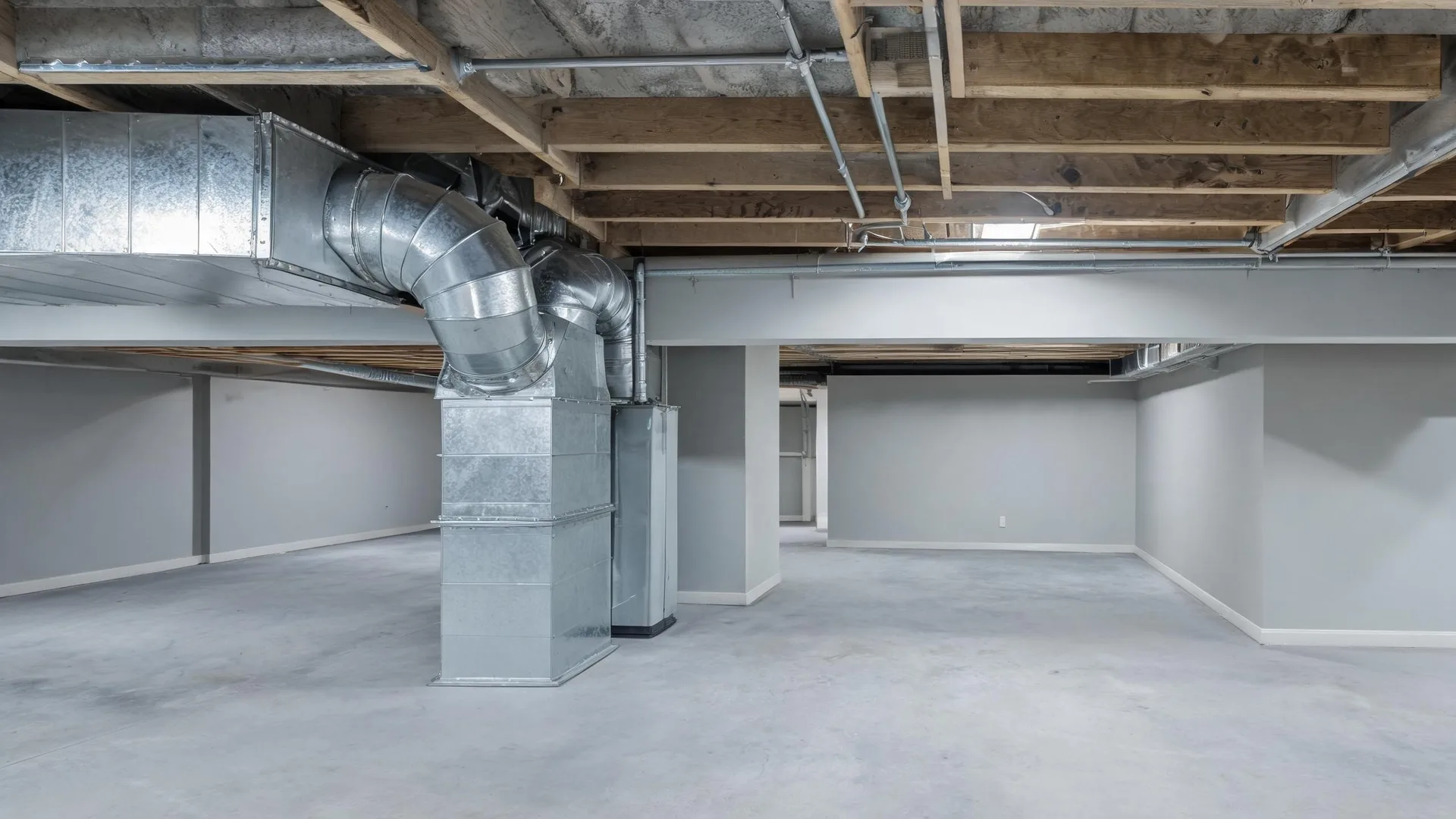
Utility gas heats 50.6% of occupied homes in Bourbon County. Electricity is next at 30.9%, then propane at 13.3%. A gas furnace paired with a new AC is the setup most homes around here already have.
Takes about a minute. No obligation.
Utility gas heats 50.6% of occupied homes in Bourbon County. Electricity is next at 30.9%, then propane at 13.3%. A gas furnace paired with a new AC is the setup most homes around here already have.
If your house already runs on gas heat, matching your new AC to the furnace and ductwork already in place is usually the straightforward path. The contractor sizing your system will still check your existing setup before recommending anything.

NOAA nClimDiv, 1991–2020 normals
An oversized AC cools the air fast and shuts off before it pulls the moisture out of it.
A properly sized system runs longer, steadier cycles that leave the house feeling drier and put less wear on the compressor.



Kansas homes paid 14.15 cents per kilowatthour for electricity in 2024. That's the rate your new AC runs on every summer. A standard-sized, standard-efficiency system is a safe bet here. Nothing about Fort Scott's climate or rates pushes you toward a bigger unit or a higher-tier model. The contractor can walk you through efficiency options if you want to compare, but there's no local reason you'd need to spend more to get the right fit.
Half the homes in Bourbon County were built in 1957 or earlier. A system going into a house that age has to match the ductwork and the layout already there, not a generic setup. Whoever sizes your install should be looking at your actual house, not just the square footage.
Find a contractorIf ductwork is original to the house, it was sized for a different system than the one going in. Ask the contractor to check the supply and return runs before they commit to a unit, not after.
The efficiency rating on the label tells you how much cooling a unit produces for the energy it uses over a full season, not on any single hot day. A higher number means the compressor and coil are pulling more cooling out of every bit of electricity you feed them. It says nothing about how big the unit is or how well it will match your house.
A high-efficiency unit only delivers on that rating if it's sized right and the ductwork can move the air it produces. Put a top-tier system on undersized or leaky ducts and it will run longer than it should, which erases the savings the rating promised. The number on the label is a starting point for comparing equipment, not a guarantee of what your bills will do.
Estimates for a typical Bourbon County home, from EIA household energy data, Kansas fuel prices and NOAA climate normals. Your home will differ.
Install day starts with the old equipment coming out, not the new one going in. The outdoor unit gets disconnected and hauled off, the indoor coil comes out of the plenum, and the line set gets cut free. Once that's done the contractor can see the ductwork and the electrical connections clearly, which is why some details only get settled on site rather than in the estimate. The new coil goes in, the line set gets run or replaced, and the refrigerant lines get connected and tested for leaks before anything is charged. That charge has to be weighed in correctly for the unit to hit its rated efficiency, so expect the contractor to take their time on it rather than rush to flip the system on. Once it's running, they'll check the airflow at the vents and the temperature split between the return air and the supply air to confirm the system is actually doing what it's supposed to.