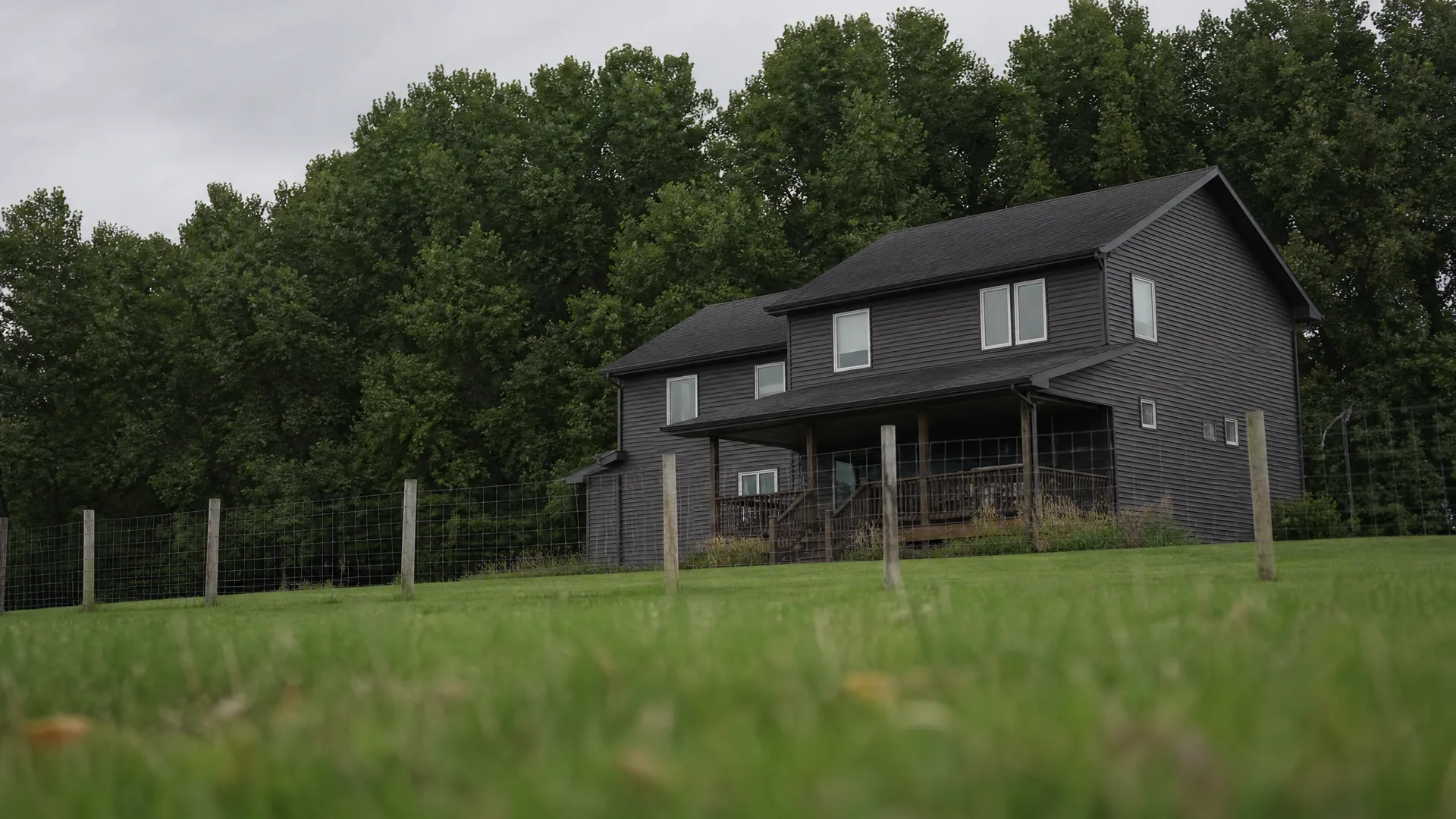





A two-story dark gray house with a covered porch stands behind a wire fence, with a mowed grass lawn in the foreground and dense deciduous trees behind under an overcast sky.

AC Installation in Manhattan, KS

Tell us about the job

Takes about a minute. No obligation.

New system or replacementCentral ACRiley County, KS
Step 1 of 2

What ZIP code is the job in?

Riley County saw 187 severe weather events between 2015 and 2024. Most of that was wind and hail: 88 damaging wind events and 78 hail events, with 7 tornadoes and 14 winter storms mixed in. An outdoor AC unit sits outside through all of it, exposed to whatever blows through or falls from the sky. Statewide, close to one in five Kansas households went at least 24 hours without power in 2024. When the power goes, so does the air conditioner, no matter how new or well installed it is.

4 months
June through September, your air conditioner is on duty
88°F
the average summer afternoon it cools against
78 hail events
in ten years, and hail bends the fins on outdoor coils
13.4 SEER2
the federal minimum any new unit must meet
Isometric cutaway illustration of a house showing attic ductwork, an indoor air handler, refrigerant lines running outside, and an outdoor condenser unit on a pad.
Your air conditioner works hardest from June through August.

NOAA nClimDiv, 1991–2020 normals

Your new AC will run through four muggy summers' worth of wear before most parts of the country finish three.

Install it ready for that pace, with sizing and setup that match Riley County, not a mild-climate average.

Half the county heats with gas, so a gas furnace is still the safer bet to pair with your new AC

50.3% of homes heat with gas
Climate zone 4A
Power here costs 15.04 cents per kilowatt-hour

Any split-system air conditioner installed here under 45,000 Btu an hour has to hit at least 13.4 SEER2, the federal minimum. Riley County falls into zone 4A, a mixed climate that asks real work of both heating and cooling, and the equipment has to be rated for that. This isn't a target to aim for. It's the floor, and it narrows down what a contractor can legally put in. Ask what SEER2 rating a unit carries before you agree to anything, since a number below 13.4 means it shouldn't be on the market for this kind of system.

Plan the install around the outages and storms this county actually gets

Where the installer puts the new unit, and what's around it, matters more here than in places that don't see this much wind and hail. Ask about a pad or mount that keeps it clear of runoff and falling debris, and if you're on gas heat already, talk through what keeps hot water and furnace operation going when the power drops.

Find a contractor
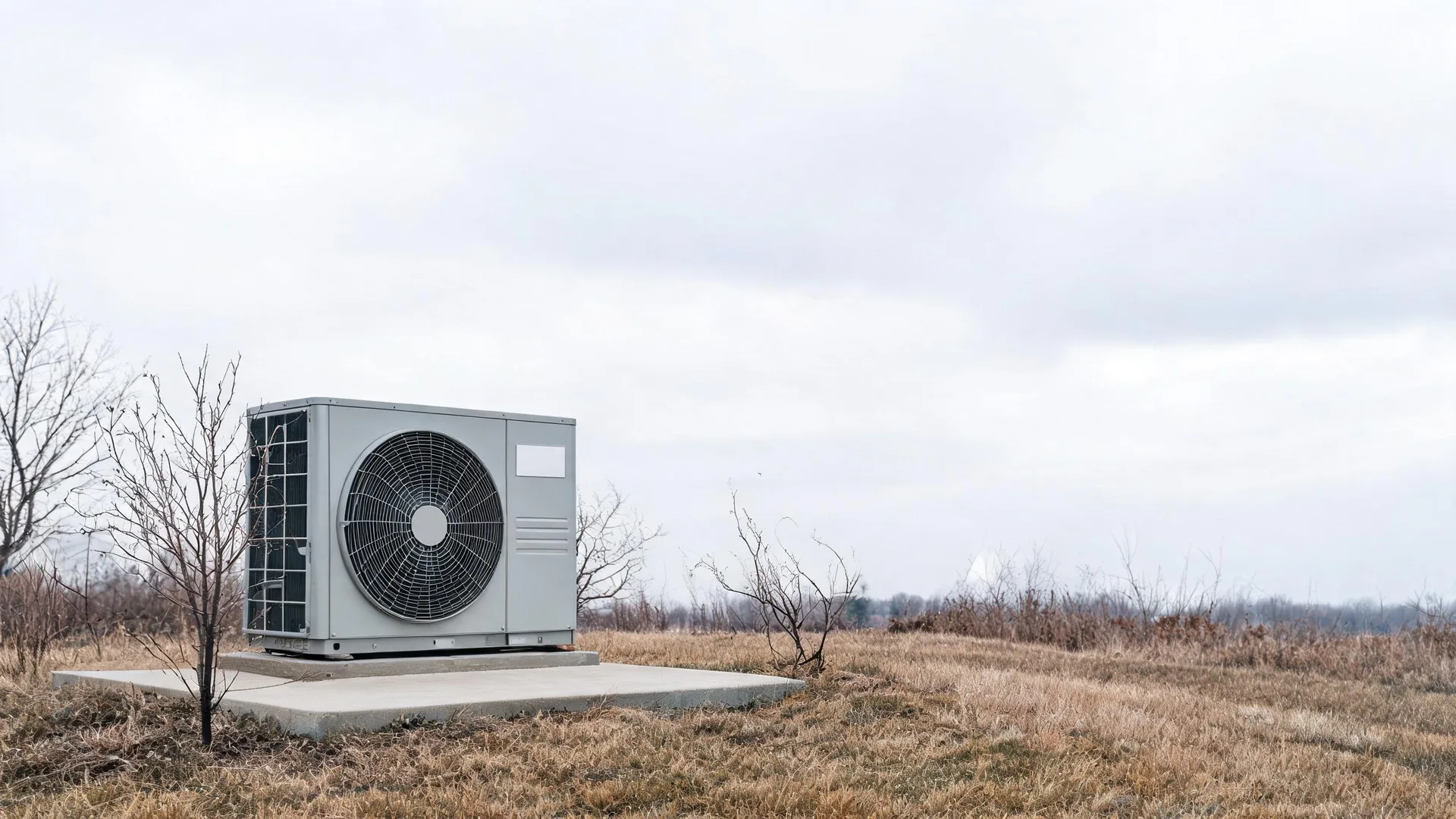
A gray residential air conditioning condenser unit mounted on a concrete pad outdoors, surrounded by green grass under a partly cloudy blue sky.

Get it in during May, before the first hot day asks anything of it

Cooling here runs June through September, four months out of the year. That leaves May as the last clear month to get a new unit in before it has to work. Install it in May and the contractor can take the time to size it right and set it up clean, with no rush to get a household through a hot week. Wait until June and you're making this decision while the house is already uncomfortable, which is how people end up agreeing to whatever's on the truck. Winters here are a different kind of hard on the schedule. Overnight lows average 21°F across December through February, and a system going in during that stretch is a system going in during the worst weather Riley County gets. May sits clear of both problems. The heat hasn't started and the cold is long past.

The rating is a seasonal average, not a guarantee

That SEER2 number comes from lab testing across a range of conditions, not from the one or two worst weeks of summer. On the hottest, most humid days, the unit works harder and the efficiency it actually delivers drops below the number on the label. A higher rated unit still comes out ahead on those days. It just won't hit the label number running flat out.

A higher rating only pays off if the rest of the job is done right

The rating describes the equipment, not the installation. A high efficiency condenser paired with a duct system that's leaky, undersized, or poorly balanced won't deliver what the label promises. Airflow across the coil and the charge in the line set matter as much as the equipment's rating. Ask how the contractor plans to verify airflow and charge after the unit goes in, not just what's printed on the box.

Aerial view of a residential air conditioning condenser unit mounted on a concrete pad next to a house with vinyl siding and a sliding glass door.

A higher-efficiency unit would save about $40 a year to run in Riley County compared with a new unit at the federal minimum.

  • A higher-efficiency unit$280 a year
  • A new unit at the federal minimum, 13.4 SEER2$320 a year

Estimates for a typical Riley County home, from EIA household energy data, Kansas fuel prices and NOAA climate normals. Your home will differ.

Installation day starts with the old equipment coming out, not the new one going in. The contractor disconnects the refrigerant lines, pulls the old condenser, and checks what's left behind: the line set, the electrical whip, the pad or mount underneath. If any of that is reused, it gets inspected first, not assumed good. Setting the new condenser is quick. What takes the time is evacuating the line set to pull out air and moisture, then weighing in the exact refrigerant charge the unit calls for. After that, the contractor checks airflow at the indoor coil, confirms the thermostat and any control wiring work with the new unit, and runs the system through a full cycle to check pressures and temperature drop before calling the job done.