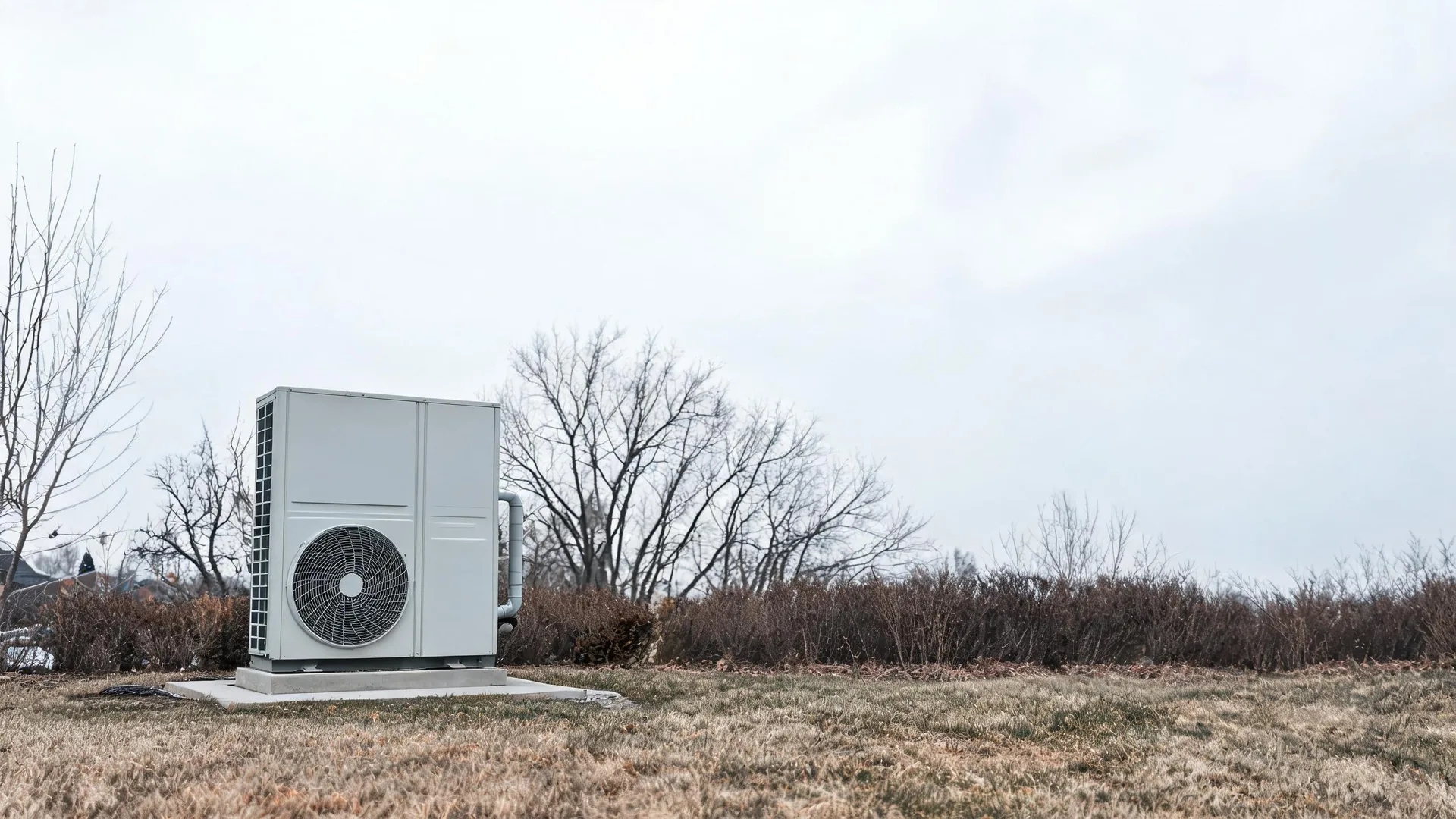
Storms come through often here
McPherson County logged 221 severe weather events between 2015 and 2024, including 115 damaging wind events and 90 hail events. An outdoor condenser sits exposed to all of it.
Takes about a minute. No obligation.
McPherson County logged 221 severe weather events between 2015 and 2024, including 115 damaging wind events and 90 hail events. An outdoor condenser sits exposed to all of it.
Close to one in five Kansas households went at least a full day without power in 2024. A new AC system should fit into a plan for what runs, and what doesn't, when the power's out.
NOAA nClimDiv, 1991–2020 normals
Electricity in McPherson County runs about 11.51 cents a kilowatt-hour, cheaper than most of the country.
The top-tier efficient model will take longer to earn back its extra cost here, so picking one for reliability makes more sense than chasing the highest SEER2 number.



McPherson County falls in climate zone 4A, which asks real work of both the furnace and the AC over a year. Any split-system central air conditioner installed here, under 45,000 Btu an hour, has to meet the federal minimum of 13.4 SEER2. That floor applies whether the unit is rated for reliability in a storm-prone area or built around the highest efficiency number on the shelf. It narrows the field some, but it does not decide the choice between a basic model and a top-tier one. Given how often storms knock out power here, that choice is worth weighing on more than the efficiency rating alone.
Ask where the condenser will sit and what it's protected from, and ask what happens to heat and hot water when the power drops. That's part of choosing a system here, not an afterthought once it's running.
Find a contractor
Cooling here runs May through September. Install the new system in April and it's in place before the first hot day asks anything of it. Wait until the heat is already here and the choice gets rushed, often with the old unit struggling or already out. That's the wrong time to think about where the condenser will sit or how it holds up when a storm comes through. Doing it in April means that planning happens on a calm day, not a hot one.
That rating comes from lab testing across a range of outdoor temperatures, then averaged into one number. Your unit won't run at that efficiency every hour it's on. On a mild day it'll beat the rating. On a brutal afternoon with the compressor working flat out, it'll fall short. The number helps you compare one model to another, not predict your actual bill.
The way manufacturers reach a higher SEER2 number is usually a two-stage or variable-speed compressor, a larger coil, sometimes a variable-speed blower motor to match. Each of those adds a part that can wear out or need a repair the basic single-stage model never had to worry about. A straightforward system with fewer moving parts is often the one that's simpler to keep running for years.
Estimates for a typical McPherson County home, from EIA household energy data, Kansas fuel prices and NOAA climate normals. Your home will differ.
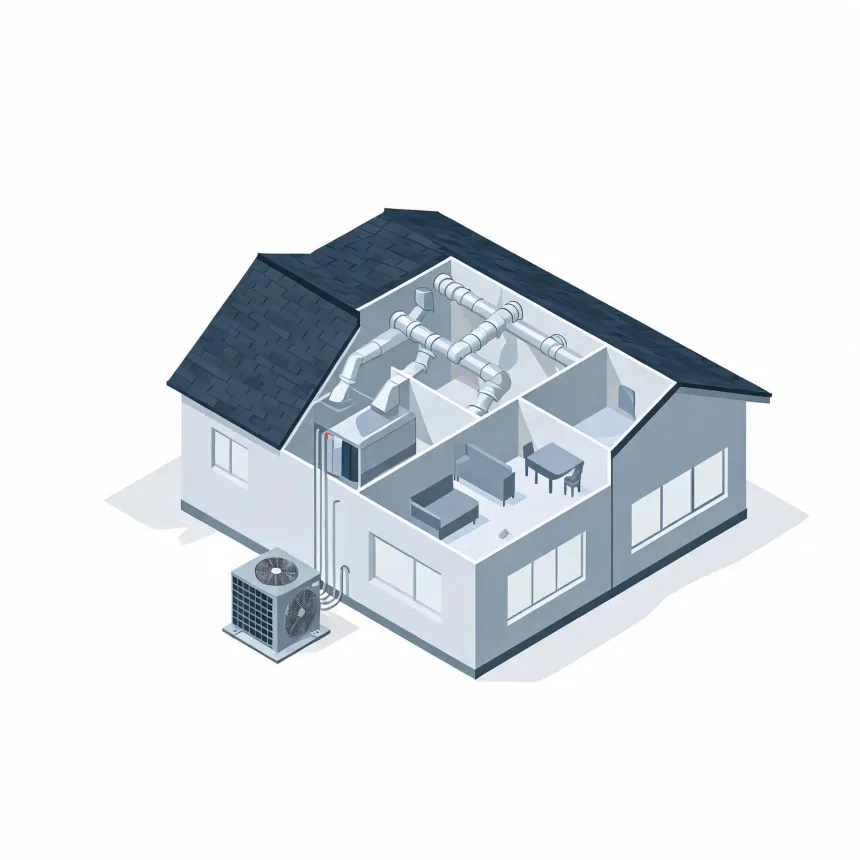
Installation starts with sizing, not with the equipment itself. A contractor works out the heat load for the house, the ductwork gets checked for leaks or a trunk line too small for the new unit, and only then does the equipment get chosen to match. On the day itself, the old condenser and coil come out first, and the line set usually gets replaced rather than reused, since old refrigerant lines can carry contamination into a new system. The new coil goes in above or beside the furnace, the condenser gets set on a pad outside, and the two get connected and charged with refrigerant to the manufacturer's spec. Once it's running, a tech checks airflow at the vents and measures the temperature drop across the coil to confirm the charge is right. A system that's undercharged or overcharged will run, but it won't cool the way it should and it won't last as long doing it.