





Aerial view of a square outdoor air conditioning condenser unit on a concrete pad beside a house wall with a sliding glass door.

AC Installation in Newton, KS

Tell us about the job

Takes about a minute. No obligation.

New system or replacementCentral ACHarvey County, KS
Step 1 of 2

What ZIP code is the job in?

Homes in Harvey County run the AC May through September, five months straight, with afternoon highs averaging 90°F through June, July and August. A system sized too small runs flat out trying to keep up with that heat. One sized too large cycles on and off without pulling the humidity down. Either way, it wears sooner than it should. Getting the size right from the start matters more here than in a cooler climate, because the unit is going to run hard for five months every year, not just a few weeks at a stretch.

5 months
May through September, your air conditioner is on duty
90°F
the average summer afternoon it cools against
59 hail events
in ten years, and hail bends the fins on outdoor coils
13.4 SEER2
the federal minimum any new unit must meet
Isometric cutaway illustration of a single-story house showing interior rooms, ceiling ductwork connected to an indoor air handler, and an outdoor condenser unit beside the exterior wall.
Your air conditioner works hardest from June through August.

NOAA nClimDiv, 1991–2020 normals

Half the homes in Harvey County were built in 1970 or earlier.

An install going into a house that age has to match the ductwork and layout already there, not just the square footage.

Most homes here heat with gas, and that shapes the AC install too

60.2% of homes heat with gas
Cooling runs May through September
Summer afternoons average 90°F

A contractor sizing the system should run a load calculation on the house, not just measure the square footage and match a number off a chart. That calculation accounts for the windows, the insulation, the layout, the things that make two houses of the same size behave differently in a Kansas summer. Ask to see it, and ask what size unit it points to before anyone talks equipment. A quote with no load calculation behind it is a guess, and a guess is what has to run five months a year, every year, through afternoons at 90 degrees.

A new system built for what Kansas power costs

Kansas electricity ran 14.15 cents per kilowatthour in 2024. An AC that runs all summer here feels that rate on every bill. A system sized right from the start is what keeps that cost in check, year after year.

Find a contractor
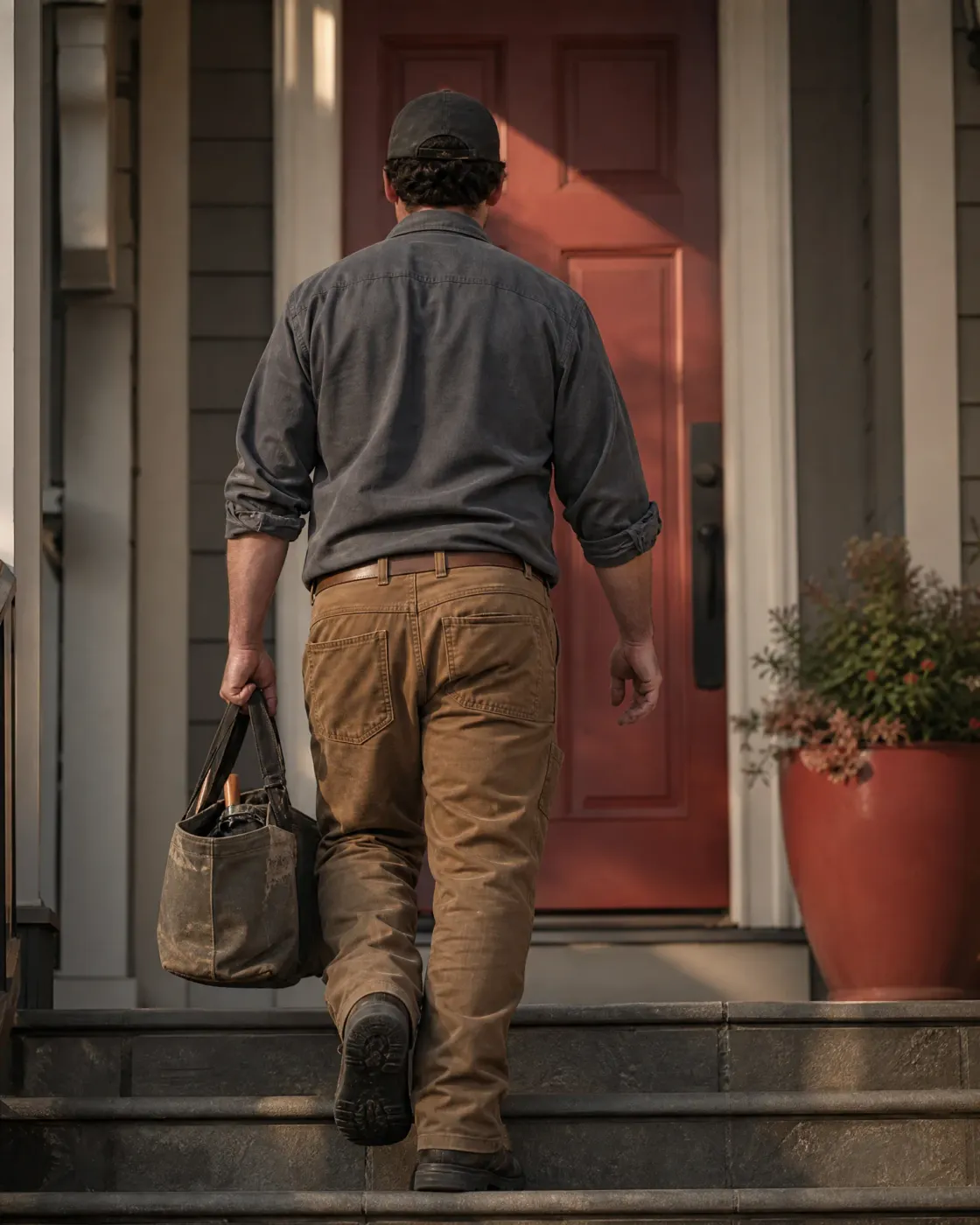
A man in a cap, gray shirt and tan work pants, seen from behind, carries a canvas tool bag up stone steps toward a red front door, with a potted plant beside the entry.
An outdoor air conditioning condenser unit mounted on a concrete pad beside a house, with electrical conduit running to a wall-mounted disconnect box.

April is the month to do this

Cooling runs May through September here, five months straight. April is the month before that starts, and it's the month to get a new system in. Install it then and there's time to size it right and schedule the work without the house already sitting hot. Wait past April and any problem, a backordered part, a scheduling delay, plays out during the stretch when the house actually needs the AC working.

Ask what the warranty covers and who backs it

The compressor usually carries one warranty and the labor to replace it carries another, often from the contractor rather than the manufacturer. Ask what happens if the compressor fails after the install crew has moved on to other jobs. A warranty that only covers the part, not the work to put it in, leaves the homeowner holding the labor bill.

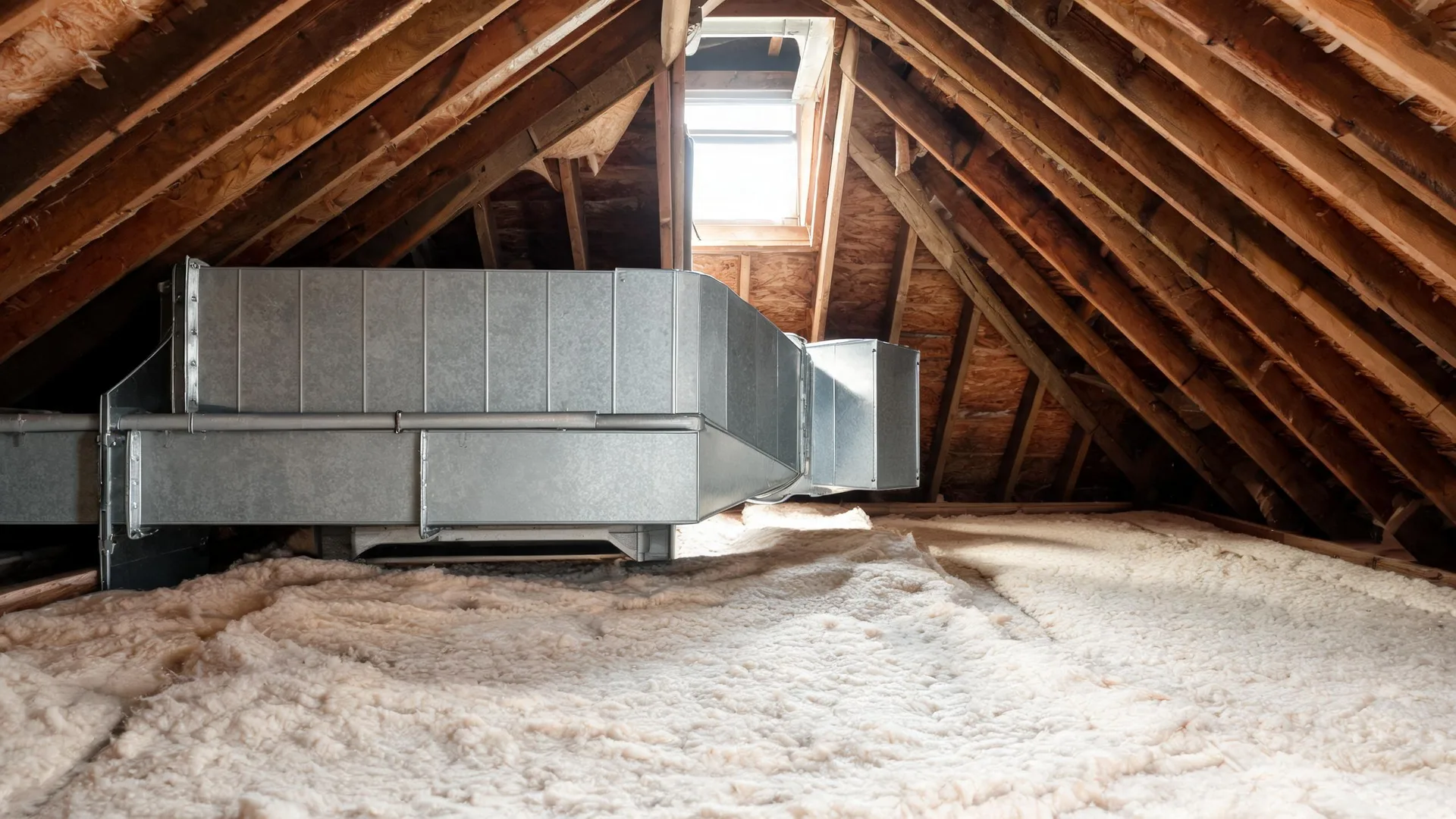
Ask whether the quote matches equipment or just swaps the condenser

The condenser outside and the coil inside are matched by the manufacturer to work together at a certain efficiency. Swapping in a new condenser but leaving the old coil in place can mean the system never runs the way its rating promises. Ask whether the coil is being replaced along with the condenser, and if not, why not.

Aerial view of a gray central air conditioning condenser unit on a concrete pad next to a house with vinyl siding.

A higher-efficiency unit would save about $40 a year to run in Harvey County compared with a new unit at the federal minimum.

  • A higher-efficiency unit$320 a year
  • A new unit at the federal minimum, 13.4 SEER2$360 a year

Estimates for a typical Harvey County home, from EIA household energy data, Kansas fuel prices and NOAA climate normals. Your home will differ.

Install day starts with the old system coming out. The condenser, the coil, and the line set running between them all come out together. If the new equipment needs a different line set size or a different electrical circuit, that gets swapped too, not patched around. The coil goes in first, matched to the new condenser. Then the refrigerant lines get connected and sealed before anyone turns anything on. A good crew pulls a vacuum on the lines before charging the system. That clears out moisture and air that don't belong in there. Once the charge is in, the system gets tested running, with pressures checked against what the equipment is rated for, not just listened to until it turns on. The last part is often the one skipped. That's checking airflow at the vents room by room, because a new system matched wrong to the old ductwork won't deliver what the rating on the box promises.