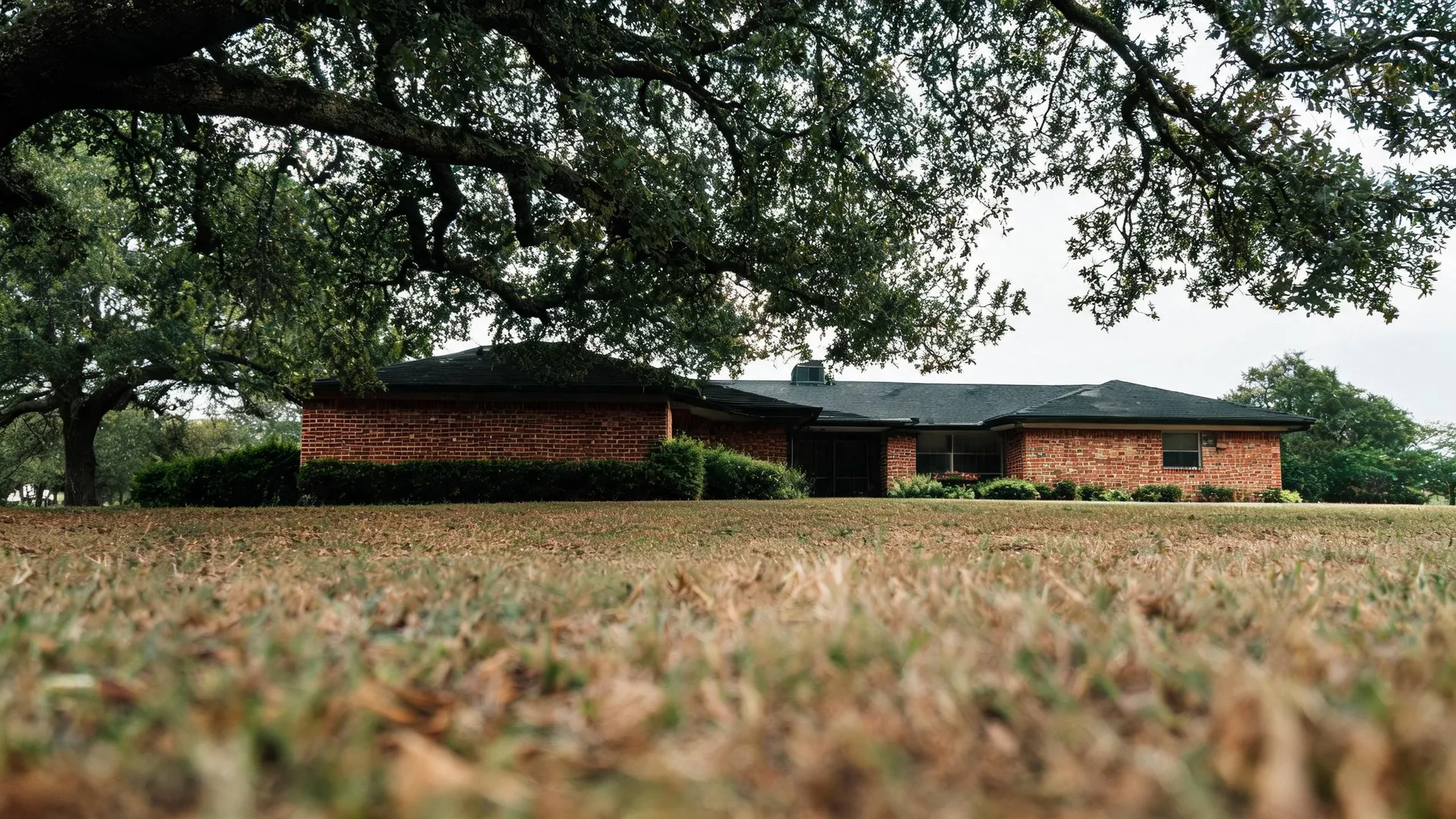






A single-story brick house with a dark shingled roof seen across a dry lawn, photographed from ground level with a large oak tree's branches overhanging from above.

AC Installation in Parsons, KS

Tell us about the job

Takes about a minute. No obligation.

New system or replacementCentral ACLabette County, KS
Step 1 of 2

What ZIP code is the job in?

Electricity in Labette County ran 14.78 cents per kilowatt-hour in 2025. That is the number your air conditioner works against every time it cycles on, and with summers here running long, it cycles on a lot. A unit that wastes power doesn't waste a little, it wastes it on every one of those cycles, all season. How efficiently the new system turns that electricity into cooled air decides a real share of what the summer bill looks like. The equipment you pick for this install is the one thing in that math you actually get to choose.

5 months
May through September, your air conditioner is on duty
89°F
the average summer afternoon it cools against
43 hail events
in ten years, and hail bends the fins on outdoor coils
13.4 SEER2
the federal minimum any new unit must meet
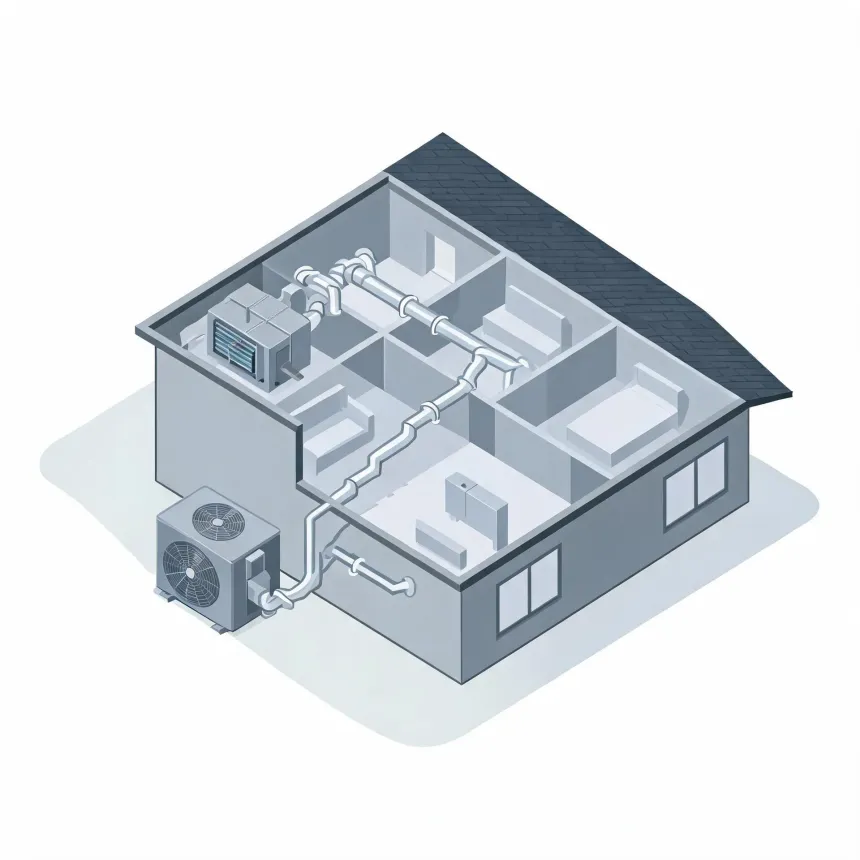
Isometric grey illustration of a cutaway single-story house showing interior rooms, ceiling ductwork connected to an indoor air handler, and an outdoor condenser unit linked by lines outside the wall.
Your air conditioner works hardest from June through August.

NOAA nClimDiv, 1991–2020 normals

Most homes in Labette County heat with gas, not electricity.

Your new air conditioner stands alone against that electric rate, so its efficiency carries the whole cooling bill.

Five months of cooling, in weather that doesn't let up

Cooling runs May through September
Summer afternoons average 89°F
43 hail events from 2015 to 2024
Get it installed before MayCooling runs May through September here, which makes April the month to have it done.

Labette County falls under zone 4A in the 2021 energy code, a mixed climate rated for real heating and cooling work with humidity added in. That rating does not change what you want in a system here, but it sets a floor under what can legally go into your house. Any split-system central air conditioner under 45,000 Btu an hour built from 2023 onward has to hit at least 13.4 Btu of cooling for every watt-hour it draws over the season. That is the federal minimum, not a target, so every unit on the market already clears it. A federal tax credit is available on top of that for equipment that goes beyond the minimum, which is worth knowing before you compare models.

The system you pick now is the rate you pay all summer

You already know what the rate is and what the summer looks like. The efficiency rating on the unit going in is what decides what that rate costs you, bill after bill, for as long as you own it. That's the one thing left to get right before this job is done.

Find a contractor
A man in a dark beanie, navy long-sleeve shirt and tan work pants climbs porch steps toward a red front door, carrying a waxed canvas tool bag in his right hand.
A gray residential air conditioner condenser unit mounted on a concrete pad in an open grass field.

Five months of running, sized once

That new system will run from May to September here, and on the afternoons that hit 89 degrees it won't get a break. Sizing is what decides whether it handles that or struggles with it. Too big and it short cycles, never running long enough to pull the moisture out of the air before it shuts off. Too small and it runs flat out all afternoon trying to catch up, and never does. A contractor who sizes it to your house, not just the square footage, is the one thing that keeps five months of hard running from turning into a unit that's always working against itself.

What SEER2 actually measures

SEER2 is a seasonal average, not a snapshot. It takes how much cooling the system produces over the whole season and divides it by how much electricity that took, tested against standards that account for the static pressure real ductwork puts on a system. Two units can carry the same SEER2 number and still behave differently in your house, because the rating assumes a system matched correctly to the home and installed the way it was designed to be installed. The number on the label is the ceiling. What you actually get depends on everything underneath it.

Why the install decides which number you get

A high-efficiency condenser paired with the wrong coil, or set in a system with a duct leak or a low charge, will not deliver the rating printed on its box. Airflow across the coil, the refrigerant charge, and static pressure in the ducts all pull that real-world number up or down from what the label promises. This is why the contractor doing the work matters as much as the equipment they install. The rating tells you what the system is capable of. Getting that capability into your house is a separate job, done right or not.

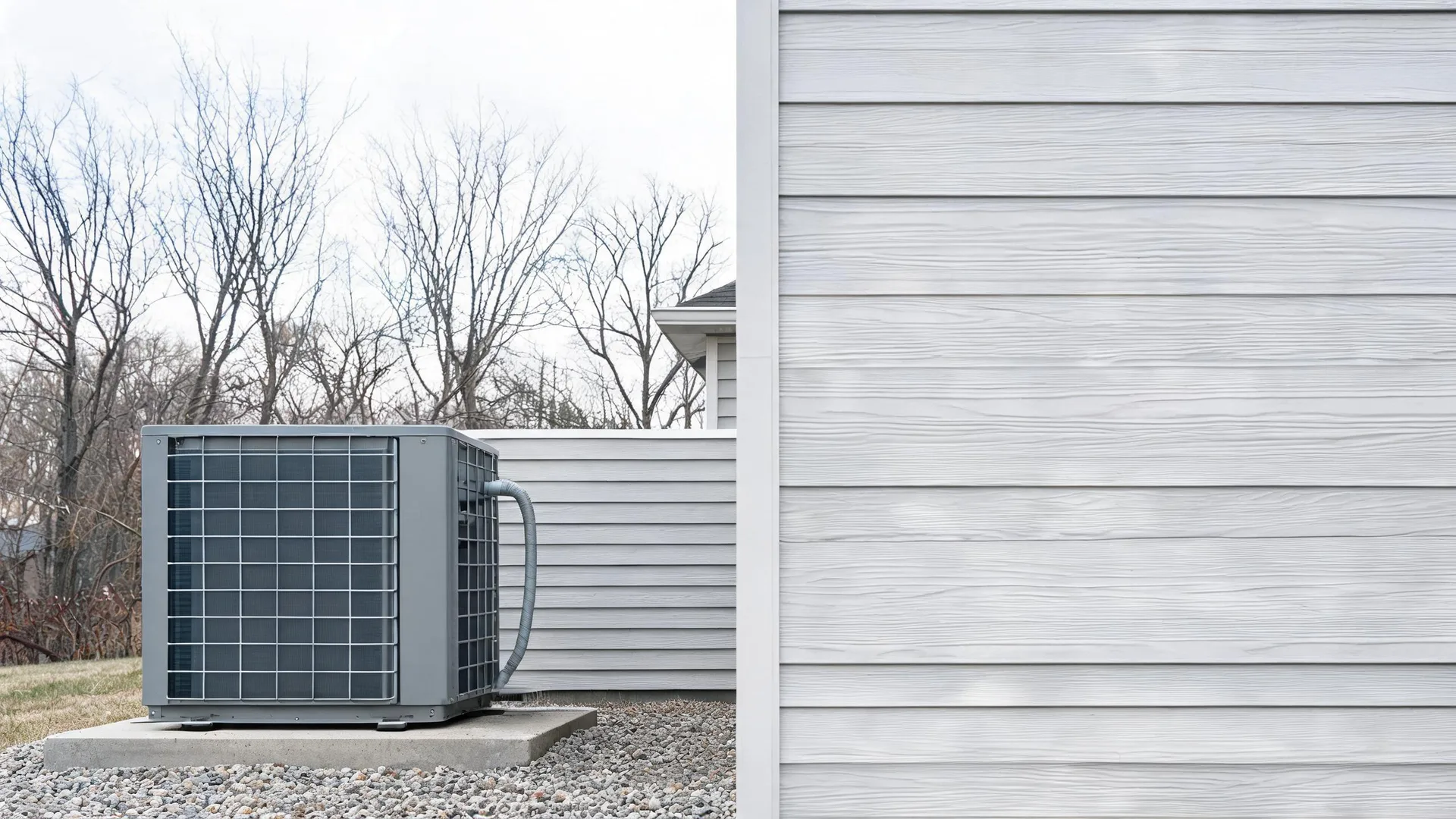
Aerial view of a gray outdoor air conditioning condenser unit mounted on a concrete pad next to a house with vinyl siding.

A higher-efficiency unit would save about $40 a year to run in Labette County compared with a new unit at the federal minimum.

  • A higher-efficiency unit$330 a year
  • A new unit at the federal minimum, 13.4 SEER2$370 a year

Estimates for a typical Labette County home, from EIA household energy data, Kansas fuel prices and NOAA climate normals. Your home will differ.

Installation day starts before anyone touches the old unit. The contractor should run a load calculation on your house rather than just matching the size of what's coming out, because the wrong size was sometimes the original problem. Once that's settled, the work splits into two sides: the outdoor condenser and the indoor coil. The old refrigerant gets recovered, never vented, and the line set either gets reused after a flush and pressure test or gets replaced if it's damaged or the wrong diameter for the new system. The new coil goes in above or beside the furnace, the condenser gets set on a pad outside, and the two get connected and charged with refrigerant to the exact weight the manufacturer specifies, not just until the lines feel cold. Before anyone calls it done, the system should get checked for proper airflow and the charge confirmed against the actual pressures, since a unit can run and still be undercharged or overcharged enough to cost you efficiency for years.