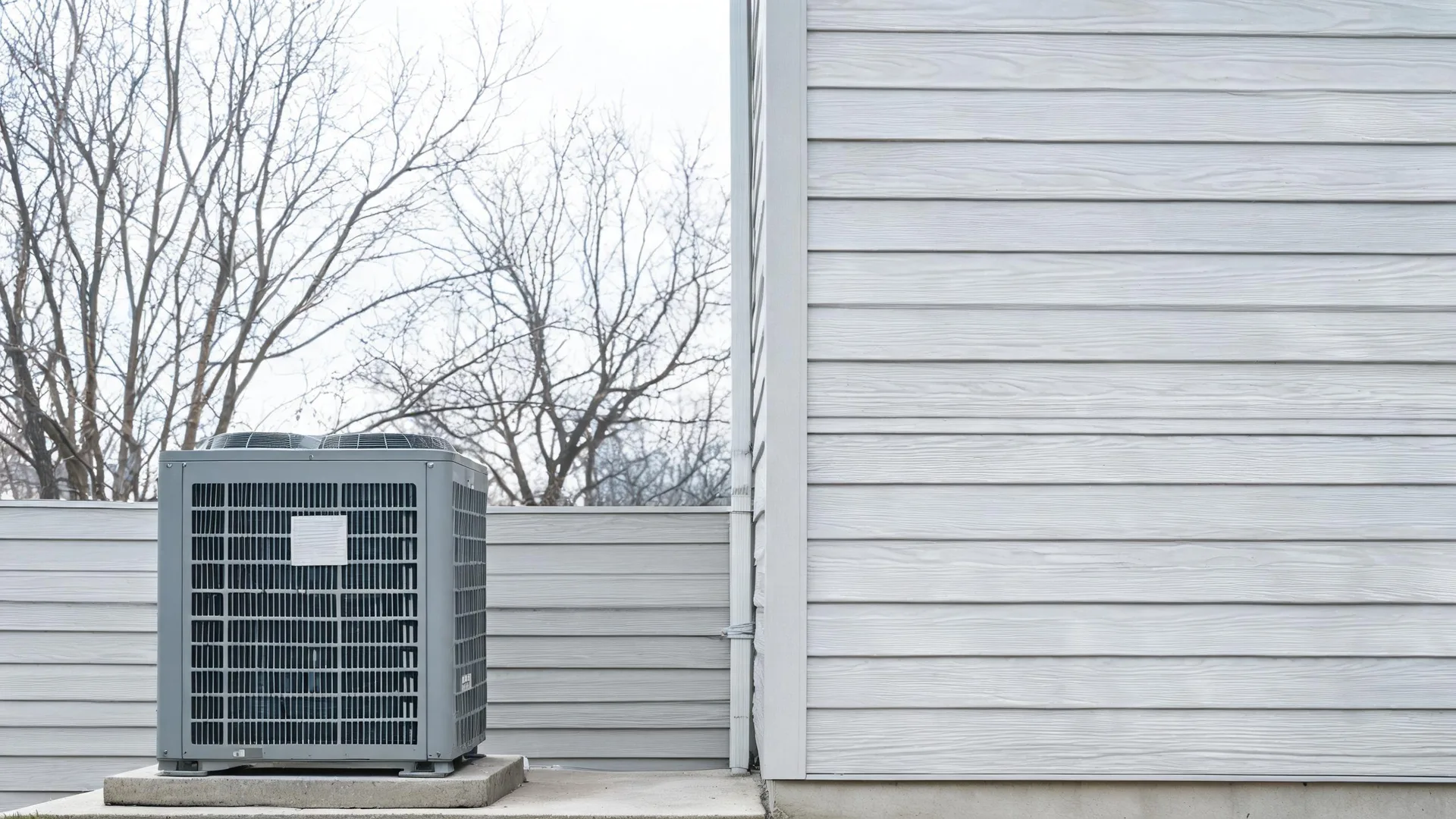
Electricity here runs 14.15 cents per kilowatthour
Kansas households paid that rate in 2024. An air conditioner that runs inefficiently costs you that rate on every hour it works.
Takes about a minute. No obligation.
Kansas households paid that rate in 2024. An air conditioner that runs inefficiently costs you that rate on every hour it works.
The SEER2 rating you choose now sets what every summer costs afterward. A system sized and installed right keeps paying off long after the crew leaves.

NOAA nClimDiv, 1991–2020 normals
Cooling runs May through September in Crawford County.
April is when a new system should already be in the ground, not mid-install.




Summer afternoons here average 88°F across June, July and August, and the system runs five months straight to keep that up. That's a steady load, day after day, not just a few hot spikes. Crawford County also takes a lot of damaging wind and hail each year, so the outdoor unit has to hold up to more than heat. A cabinet and coil built for a milder climate won't last the same here. Size the system for this heat and this exposure, not for the lowest number on a quote.
Crawford County falls in climate zone 4A. Split-system central air below 45,000 Btu/h has to meet a federal minimum of 13.4 SEER2 now. That's the floor, not a recommendation. Get a quote that shows what you're installing meets it.
Find a contractorA load calculation tells the installer the right size for your house, not a guess based on the old system's tonnage. The equipment in the ground now may already be wrong for the place it's in, oversized or undersized for how the house holds heat. Ask for that calculation in writing before anything gets installed.
The condenser and coil are only part of what gets priced. Line set length, a pad for the outdoor unit, a new disconnect, or rework where the old ductwork doesn't match the new system's airflow all add labor and material before the system ever runs.
A straight swap where the old equipment matches up costs less than a job where the ducts need modification, the electrical panel needs a larger breaker, or the refrigerant lines have to be replaced instead of reused. None of that shows up until someone opens the walls or gets on the roof to look.
Estimates for a typical Crawford County home, from EIA household energy data, Kansas fuel prices and NOAA climate normals. Your home will differ.
Install day starts with the old system coming out, not the new one going in. The crew disconnects the refrigerant lines, pulls the old condenser off its pad, and takes the indoor coil out of the plenum before anything new gets set. If the line set is being reused, it gets pressure tested first, because a leak in a line you can't see will ruin a new compressor fast. The new coil goes in, the new condenser gets set and leveled, and the lines get connected, evacuated, and charged to the manufacturer's spec. Only after it's running does anyone know if the airflow and charge are right, so a tech checks static pressure and temperature split before calling the job done. A system that gets flipped on and left alone without that check can run for years while quietly costing more and wearing out sooner than it should.