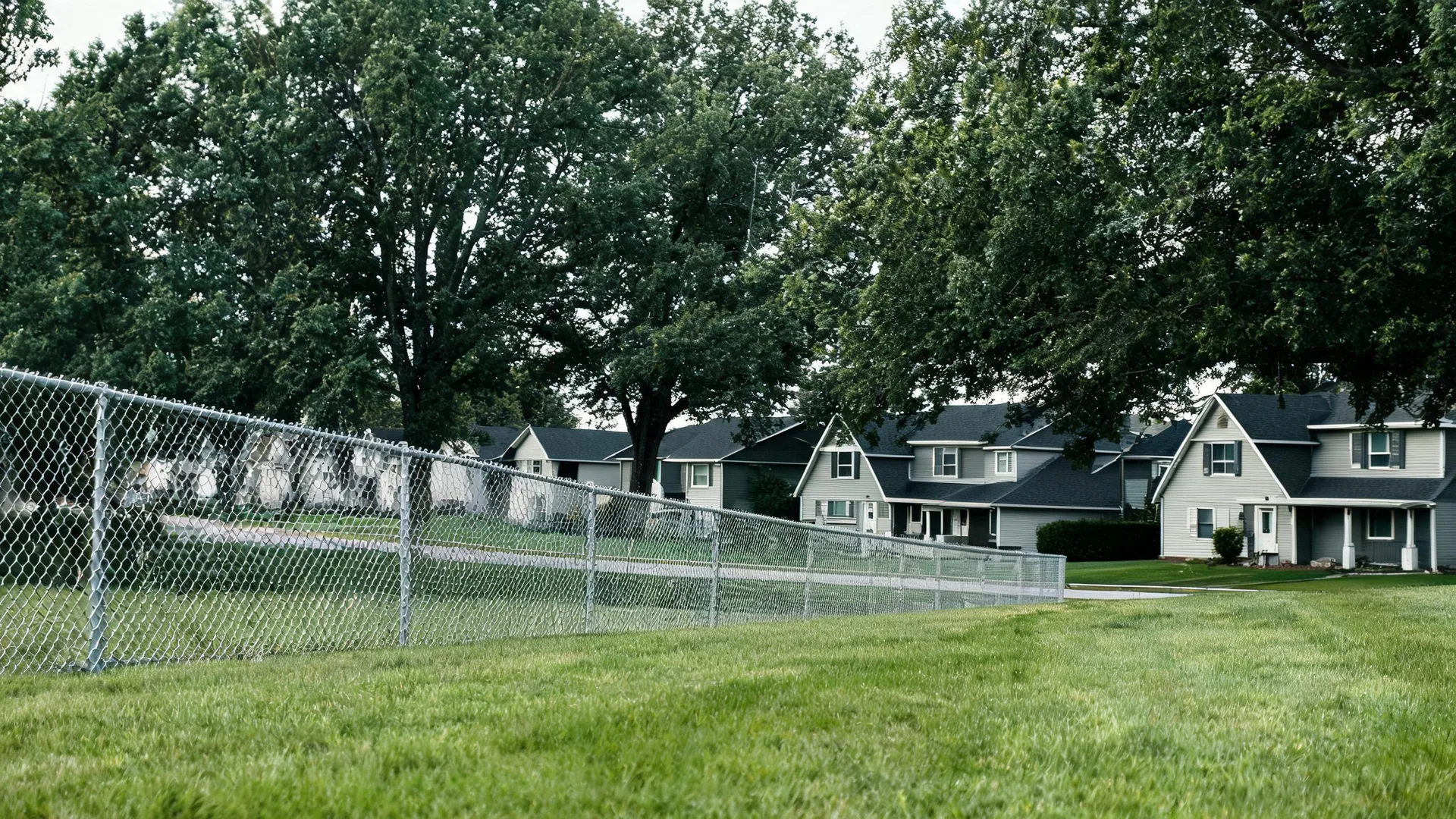





A chain-link fence crosses a mown grassy field in front of a row of two-story houses with gabled roofs and light siding, backed by large deciduous trees.

AC Installation in Sabetha, KS

Tell us about the job

Takes about a minute. No obligation.

New system or replacementCentral ACNemaha County, KS
Step 1 of 2

What ZIP code is the job in?

Gas heats close to half the homes in Nemaha County, and LP gas covers another 29.2%. That means most of these houses already have a gas furnace paired with the air conditioner, and the AC usually just ties into that same ductwork. If your furnace and air handler are in decent shape, the install is mostly about matching the right outdoor unit to what's already there. Electricity heats a smaller share of homes here, 17.8%, which usually means a different setup with the air handler doing more of the work. Either way, what you have now is the starting point for what the new AC needs to connect to.

4 months
June through September, your air conditioner is on duty
86°F
the average summer afternoon it cools against
35 hail events
in ten years, and hail bends the fins on outdoor coils
13.4 SEER2
the federal minimum any new unit must meet
Isometric cutaway illustration of a single-story house showing interior rooms with ductwork and an air handler, connected by refrigerant lines to an outdoor condenser unit on the left.
Your air conditioner works hardest from June through August.

NOAA nClimDiv, 1991–2020 normals

Half the homes in Nemaha County were built in 1974 or earlier.

A standard size and efficiency unit, matched to the house and the ductwork already in place, is what fits here.

May is when to put in next summer's AC

Cooling runs June through September
Summer afternoons average 86°F
55 damaging wind events from 2015 to 2024

Summers here run June through September, with afternoon highs averaging 86 degrees. That's four months of real work for a new system, not a stretch that calls for extra capacity. A unit sized to the house and ductwork handles it without running oversized or short-cycling. Nemaha County also sees its share of hail and wind, so the outdoor unit sits outside year round and takes some weather. None of that changes what size or efficiency to buy. It just means the install should leave the condenser secured and clear, the way any outdoor unit in this county needs to be.

Any new AC here has to clear 13.4 SEER2

Nemaha County falls in climate zone 4A, and any split-system air conditioner under 45,000 Btu/h built since January 2023 has to meet a federal minimum of 13.4 SEER2. That's the floor a contractor is working from before anything gets sized to your house. There's also a federal tax credit available for qualifying equipment, worth checking into as you compare options.

Find a contractor
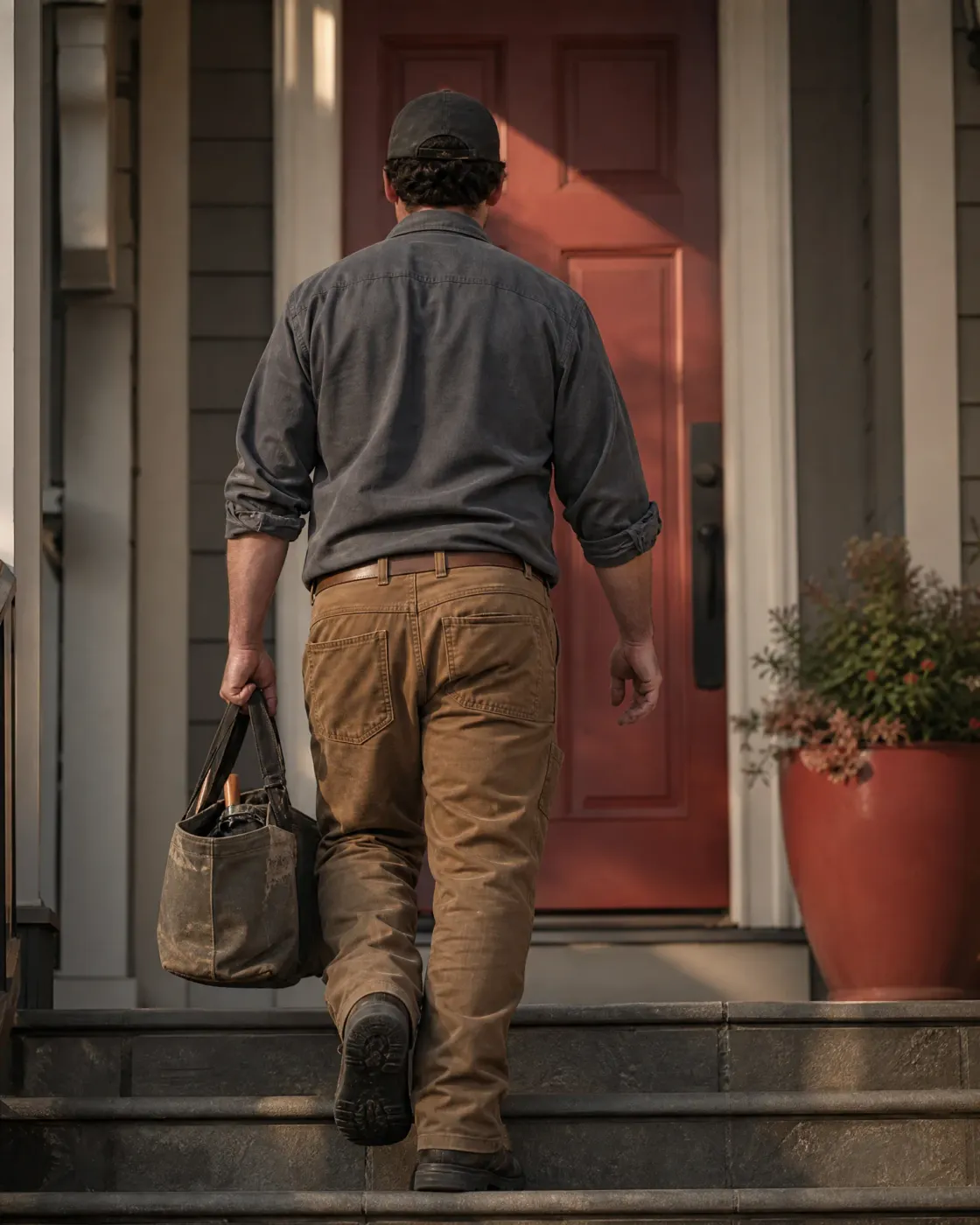
A man in a cap, gray shirt and tan work pants, seen from behind, carries a canvas tool bag up stone steps toward a red front door, with a potted plant beside the entry.
An outdoor air conditioning condenser unit mounted on a concrete pad beside a house, with electrical conduit running to a wall-mounted disconnect box.

The label tells you about the equipment, not the install

That SEER2 number on the label is a ratio, not a guarantee. It compares the cooling the unit puts out over a season against the electricity it draws to do it. A higher number means the compressor and coil are built to get more cooling from the same power, through things like a more efficient compressor and a larger coil surface, not through some trick that changes what size unit your house needs. It also only tells you about the equipment, not about how it will actually run in your house. A unit with a strong rating still falls short if the ductwork leaks or the airflow across the coil is wrong. The rating is a starting point for comparing options, not the whole story of what you'll get once it's installed and running.

The old unit gets disconnected and hauled off

A contractor will recover the refrigerant from the old system before touching anything else. That's not optional. The refrigerant in older units has to be captured and handled properly rather than released, so part of the job is pulling it out, disconnecting the lines, and unbolting the old condenser from its pad. The indoor coil comes out too if it's being replaced, since most new systems need a matched coil to run right.

What's underneath gets a hard look

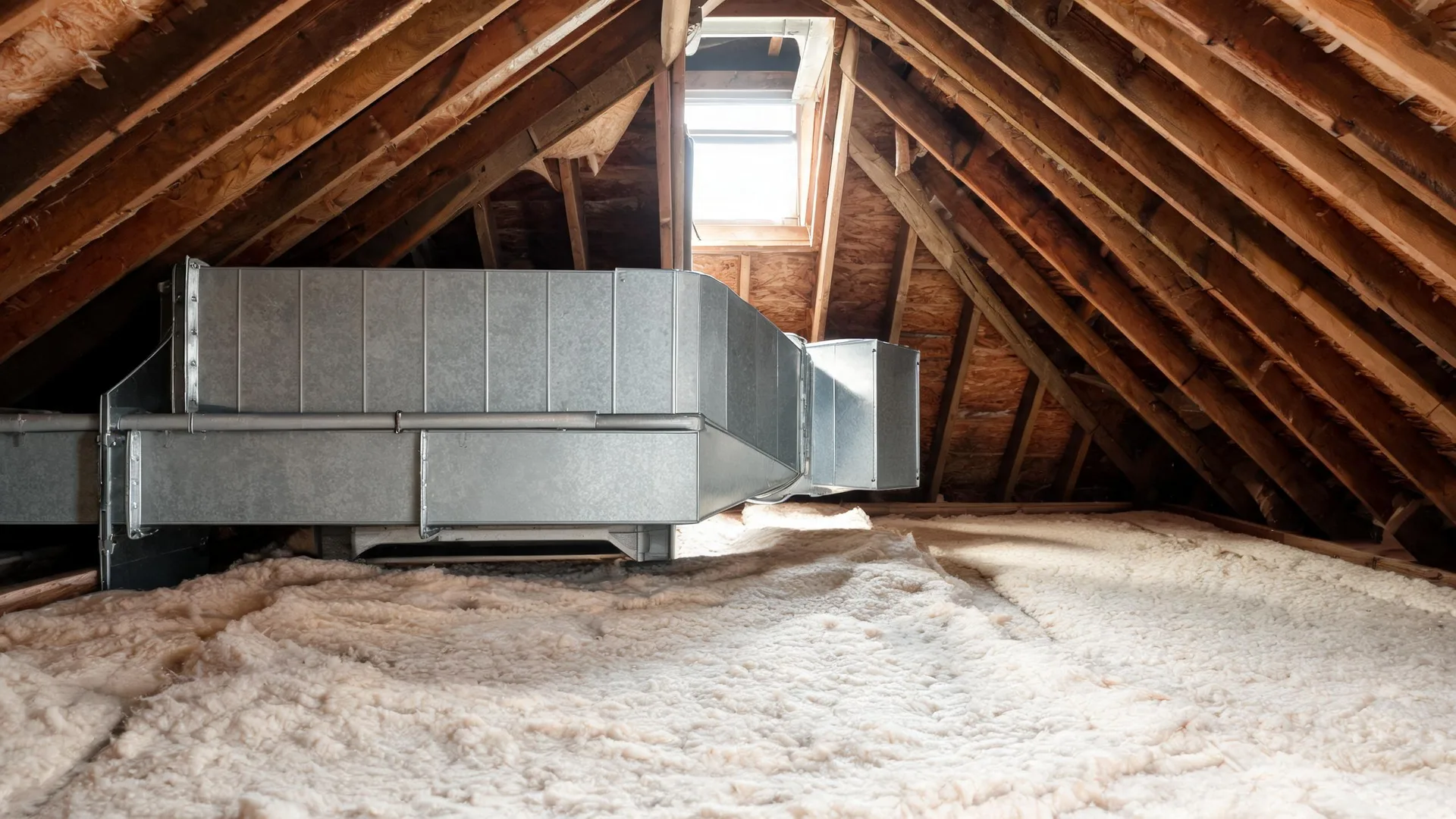
Once the old condenser is off its pad, that's the moment to check the pad itself, the electrical disconnect, and the line set running to the house. A cracked pad or old wiring is easier to deal with while everything's already apart than to find out about later. The same goes for the ductwork the new system will tie into. If the old unit was struggling to push air through it, that's worth catching before the new one goes in, not after.

Aerial view of a square outdoor air conditioning condenser unit on a concrete pad beside a house wall with a sliding glass door.

A higher-efficiency unit would save about $30 a year to run in Nemaha County compared with a new unit at the federal minimum.

  • A higher-efficiency unit$240 a year
  • A new unit at the federal minimum, 13.4 SEER2$270 a year

Estimates for a typical Nemaha County home, from EIA household energy data, Kansas fuel prices and NOAA climate normals. Your home will differ.

The new condenser goes on the pad, the line set connects, and the indoor coil ties in above the furnace. From there it's a pressure test on the lines before any refrigerant goes in, checking for leaks at every joint the installer just made. The system gets charged to the manufacturer's spec, not just topped off until it feels cold. Airflow gets checked too, since a new coil with weak airflow across it won't deliver the capacity it's rated for. Once it's running, a tech checks the temperature split between the air going into the system and the air coming out, which tells them the charge and airflow are both right. The thermostat gets wired in and tested last, after the system has proven it runs the way it should.