

Running the way it should
The coil stays clean, the pad is clear, and the lines to the disconnect are intact. A heat pump kept up like this holds its efficiency through the summer and gives you less to worry about once the cold mornings start.
Send the form and stop researching installers for the new heat pump.
Let a pro reach outYou already have a heat pump, but most of your neighbors heat with gas, and you're wondering if you made the right call or if you should plan differently once winter settles in. Kansas summers get sticky enough that the cooling side pays for itself, but the real question is what happens when temperatures drop and your power rate is nothing special, not some discount utility deal.
A heat pump moves heat instead of burning gas to make it, so it can produce more heat energy than the electricity it uses, even at typical Kansas power rates. That efficiency holds up well through most of the winter here. It starts to lose ground to a gas furnace only on the coldest nights, when the outdoor air has less heat to pull from and the unit leans on backup electric resistance heat to keep up. Pairing it with a gas furnace for those stretches, a setup called a dual fuel system, is common here and keeps you from paying resistance-heat prices during a cold snap. For cooling, where Kansas summers get humid and demanding, the same unit runs the AC side with no extra equipment needed.

That same heat pump is what cools your house from April through the sticky part of summer here in Kansas. It moves heat out of the house instead of making cold air from scratch, which is why it can cool a home using less electricity than a straight air conditioner pulling the same load. The humidity Kansas summers bring is harder on equipment that short cycles. A properly sized system runs longer, steadier stretches, which does a better job pulling moisture out of the air.

Below a certain outdoor temperature, a heat pump has less heat outside to move, so it leans on backup resistance heat to keep up. That backup heat draws more power than the heat pump itself. This is the point where a gas furnace next door keeps working without a change in fuel use. It does not mean the heat pump is the wrong choice. It means the coldest weeks of winter are worth checking against what your specific unit is rated to do.
Pay attention to the outdoor unit on a cold morning. It should be running, maybe with a light frost that clears on its own. If it's caked in ice that doesn't melt off, or if you hear it running constantly without the house ever feeling warm, the system is struggling to pull heat from the cold air. You might also notice the air coming from the vents feels cooler than you'd expect, even though it's running. That's normal for a heat pump some of the time, but if a room stays chilly no matter how long it runs, or your electric bill climbs fast once temperatures drop, it may not be keeping up with what a Kansas winter asks of it.





A heat pump has a reversing valve. That's the part that decides whether the system is pulling heat out of your house or pulling it in from outside. Below a certain outdoor temperature, usually somewhere in the 30s, the unit can't pull enough heat from the air anymore, so a second heat source has to carry more of the load. In a lot of Kansas homes that second source is the gas furnace already sitting next to it, set up to take over as the outdoor unit struggles.
Whether that handoff is tuned right is a different question than whether the heat pump itself is working. If the switch point is set too low, the heat pump keeps straining on cold mornings when the furnace should already be carrying the house. If you're not sure how yours is set up, or whether your furnace and heat pump are even talking to each other correctly, that's a setup question, not something you can see from the thermostat. Getting someone out to look at it means not spending an afternoon calling around to find out who even works on dual-fuel systems in your area.


The coil stays clean, the pad is clear, and the lines to the disconnect are intact. A heat pump kept up like this holds its efficiency through the summer and gives you less to worry about once the cold mornings start.

Dirty fins and leaves piled against the base make the unit work harder to move heat either direction. Left alone, that strain shows up as a higher bill first and a breakdown later, often on the coldest or hottest day of the year.


A gas furnace sits unused all summer and only has to carry the coldest stretch of a Kansas winter. A heat pump runs every day of the year, cooling your house from April on and then switching over to heat it once the weather turns.
That changes what "worth it" means. It isn't one number against another, it's whether the unit installed is sized and set up to handle both jobs instead of favoring whichever one it was built to do best.




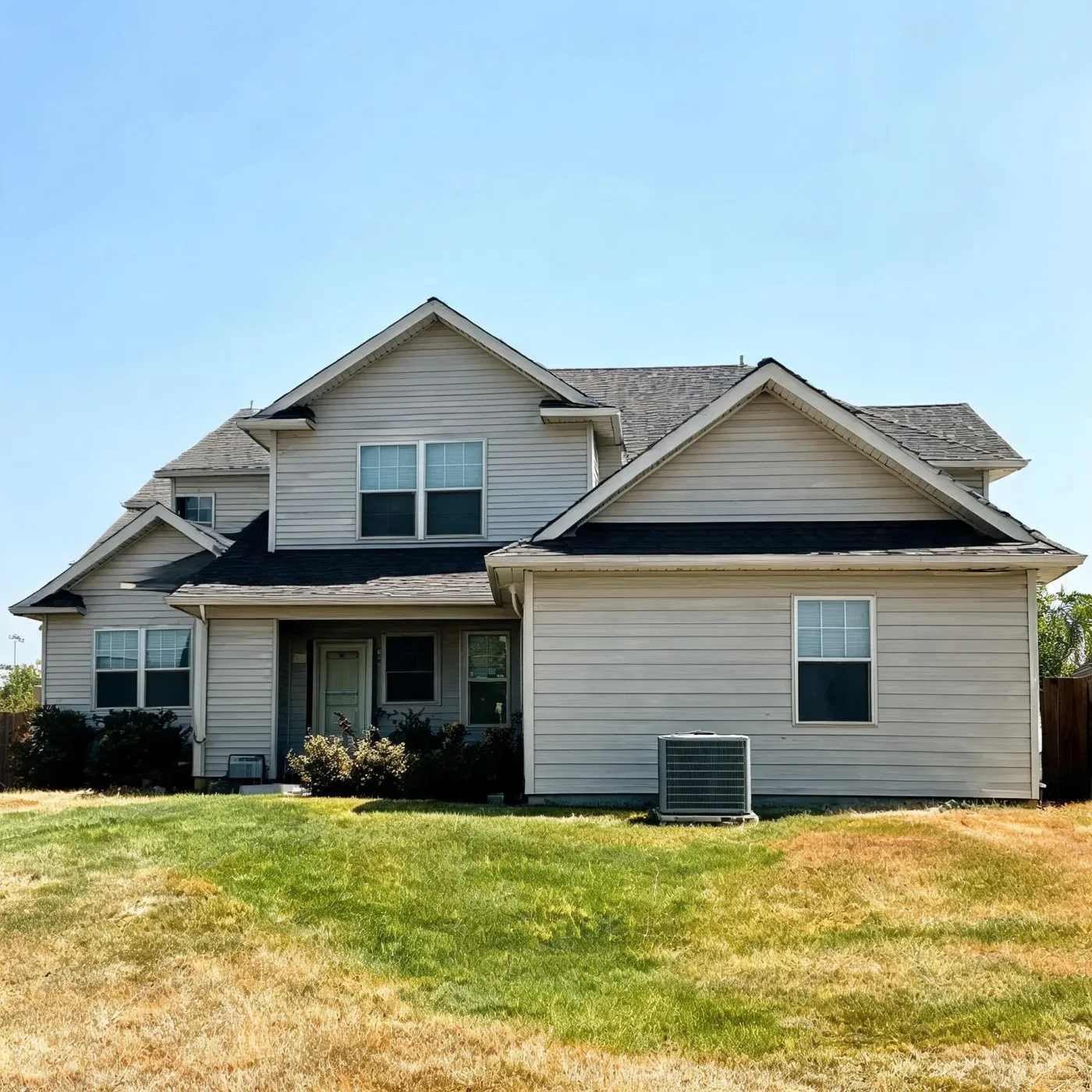
A summer dew point averaging 64°F across June, July and August, by NOAA's averages for where homes sit in Kansas, is the sticky kind of air that makes a heat pump work for its cooling as much as for its temperature drop. Pulling that moisture out takes longer run times than a dry heat would, even on a day that isn't especially hot. Inside, you'd notice it as a system that runs more than the thermostat number alone would suggest, and a house that only feels right once the air actually feels dry, not just cooler. That's the coil and the blower doing the harder half of the job all summer.
NASA POWER T2MDEW county cells weighted by homes
You've already weighed the heat pump against the furnace your neighbors rely on. What's left is making sure the one you have keeps earning its place, through another sticky Kansas summer and into whatever this winter turns out to be. That means someone looking at the coil, the reversing valve, the lines running to the disconnect, and telling you plainly whether the unit is holding up or asking too much of worn parts. Finding that person yourself means sorting through listings, calling a few, explaining the frost pattern on your outdoor unit or the noise it's making more than once, then lining their quotes up against each other to see who's telling you the truth. Sending this request instead hands that off. You stop being the one chasing it down. A contractor who installs and services heat pumps gets what you've described, and the search for someone qualified is no longer sitting on your list between everything else winter is asking of you.
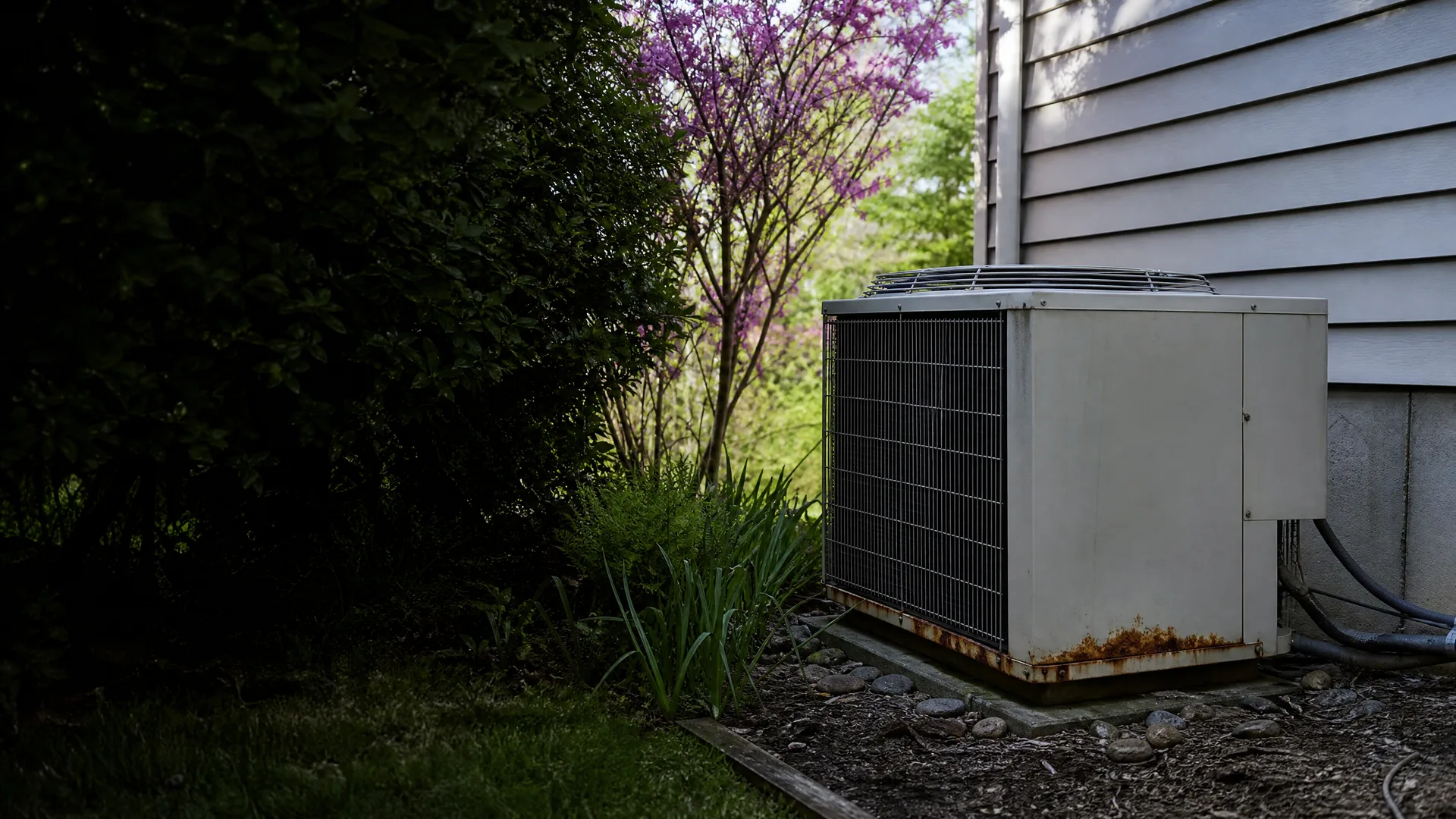
You're out back on a mild spring afternoon, coiling up the garden hose, when you notice the outdoor unit for the first time in months. Rust has crept along the base of the cabinet, a thin orange line where it meets the pad. The grass around it has grown up close on one side. You crouch down and brush a thumb across it, and some of it flakes off onto the concrete. It ran all winter to heat the house and it's about to start cooling it again in a few weeks, and you hadn't thought about what's underneath it until just now.

The pad is clear, the conduit is intact, and the line to the disconnect box has no wear on it. A heat pump set up like this moves heat in both directions without fighting its own cabinet, which matters in a state where it runs every month of the year.

Grime has built up across the cabinet, and the lines running into the wall show their age. A unit in this shape is still working, but it's pulling double duty in a Kansas summer and a Kansas winter with less margin than it had when it went in.
At 14.44 cents a kilowatt-hour, running your heat pump through a full Kansas summer and then asking it to carry mild winter mornings costs about what most households already budget for power. It's the stretches of hard cold where gas heat pulls ahead, since a heat pump leans harder on electricity to make up the difference.
EIA-861 2025 statewide residential average
A heat pump in Kansas earns its keep in summer and carries real weight in winter too, right up until the hardest cold hits, when the gas your neighbors rely on starts to pull ahead. That's the honest answer. Whether yours is still worth it comes down to whether it's installed right for your house, sized for what you actually need to cool and heat, and set up so the switch into winter doesn't ask more of it than it should. You've already read what to look for and what wears down. If you're ready to have someone look at the install itself rather than keep comparing contractors on your own, sending one form here takes you out of that work. No more calling around, explaining the same thing to three different companies, or sorting through quotes trying to guess who's worth trusting. That part becomes someone else's job the moment you send it.

Finding a pro stops being your job