






Side profile of a bearded man wearing a dark brown baseball cap and a dark gray t-shirt against a plain light background.

Is a heat pump enough for winter in Kansas City, KS

New system or replacementHeat PumpWyandotte County, KS
Step 1 of 2

What ZIP code is the job in?

Will a heat pump keep my house warm during a Kansas City winter?

You have a heat pump, or you're thinking about one, and you want to know if it can actually carry your house through a Wyandotte County winter without leaving you cold or stuck running a backup heater all the time. Winters here get cold enough that this is a fair thing to worry about before you commit to the equipment or trust the one you have.

Yes, if it has backup heat for the coldest days

A heat pump moves heat from the outside air into your house, and it can do that down to pretty low temperatures. But as the air outside gets colder, the unit has to work harder to pull heat from it, and below a certain point it can't keep up with how fast the house loses heat. That's why most heat pumps here are paired with a backup, usually electric resistance coils or a gas furnace, that kicks in automatically on the coldest nights. If yours has that backup set up right, it will keep the house warm through a Kansas City winter. If it doesn't, or the backup isn't sized for how cold it gets here, you'll notice the house struggling to hold temperature.

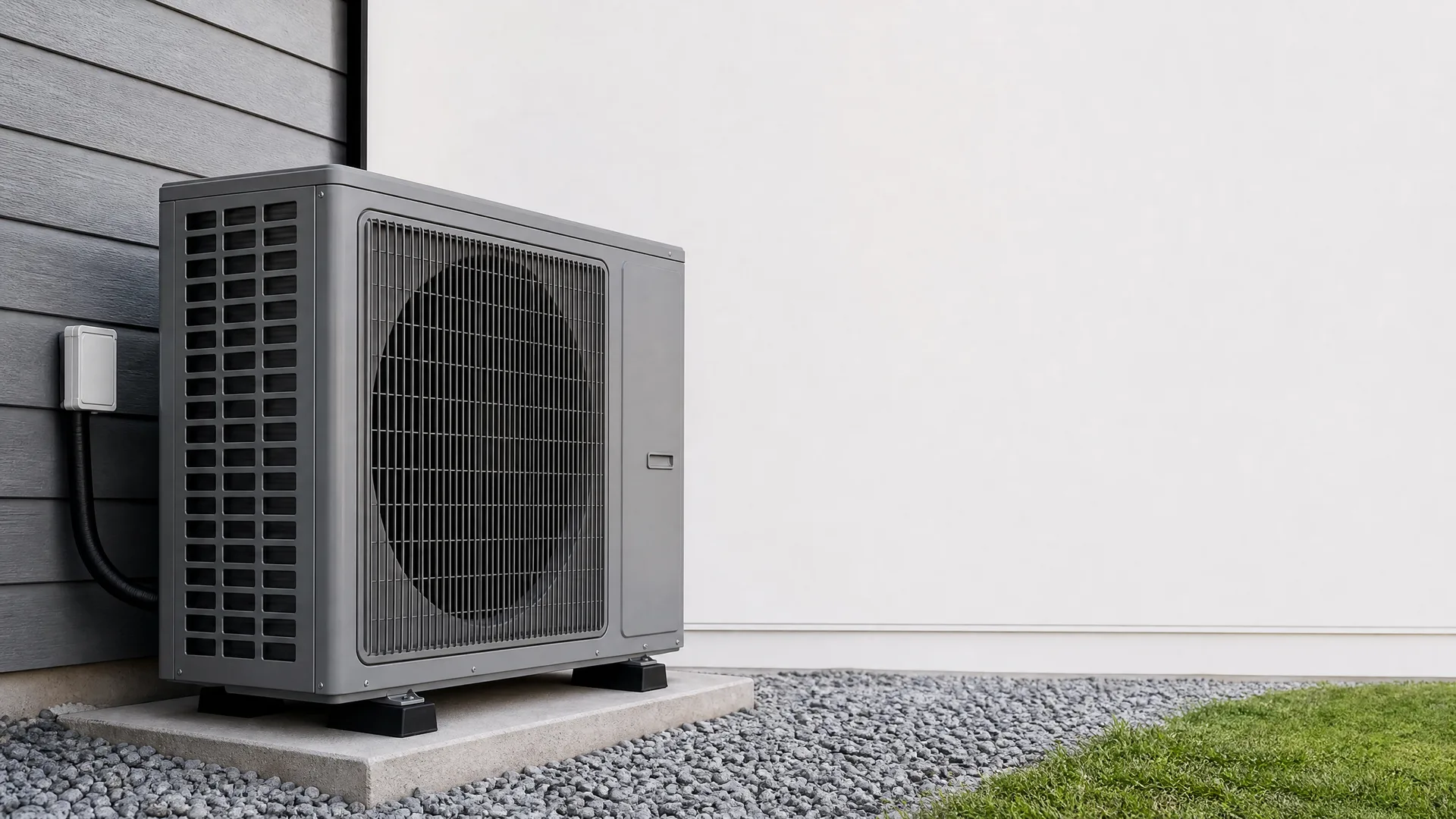
A gray outdoor heat pump unit on a concrete pad beside a house with dark horizontal siding and a plain white wall, surrounded by gray gravel next to a strip of grass.

Why cold air still has heat in it

A heat pump moves heat, it doesn't burn fuel to make it. Even at 20 degrees outside, the air still holds warmth a heat pump can pull inside. The colder it gets, the harder the system has to work to get that same job done, and below a certain point it can't pull enough. That's the point where a furnace or backup heat strip has to carry the load instead. It isn't the heat pump failing. It's just the limit of what cold air can give up.

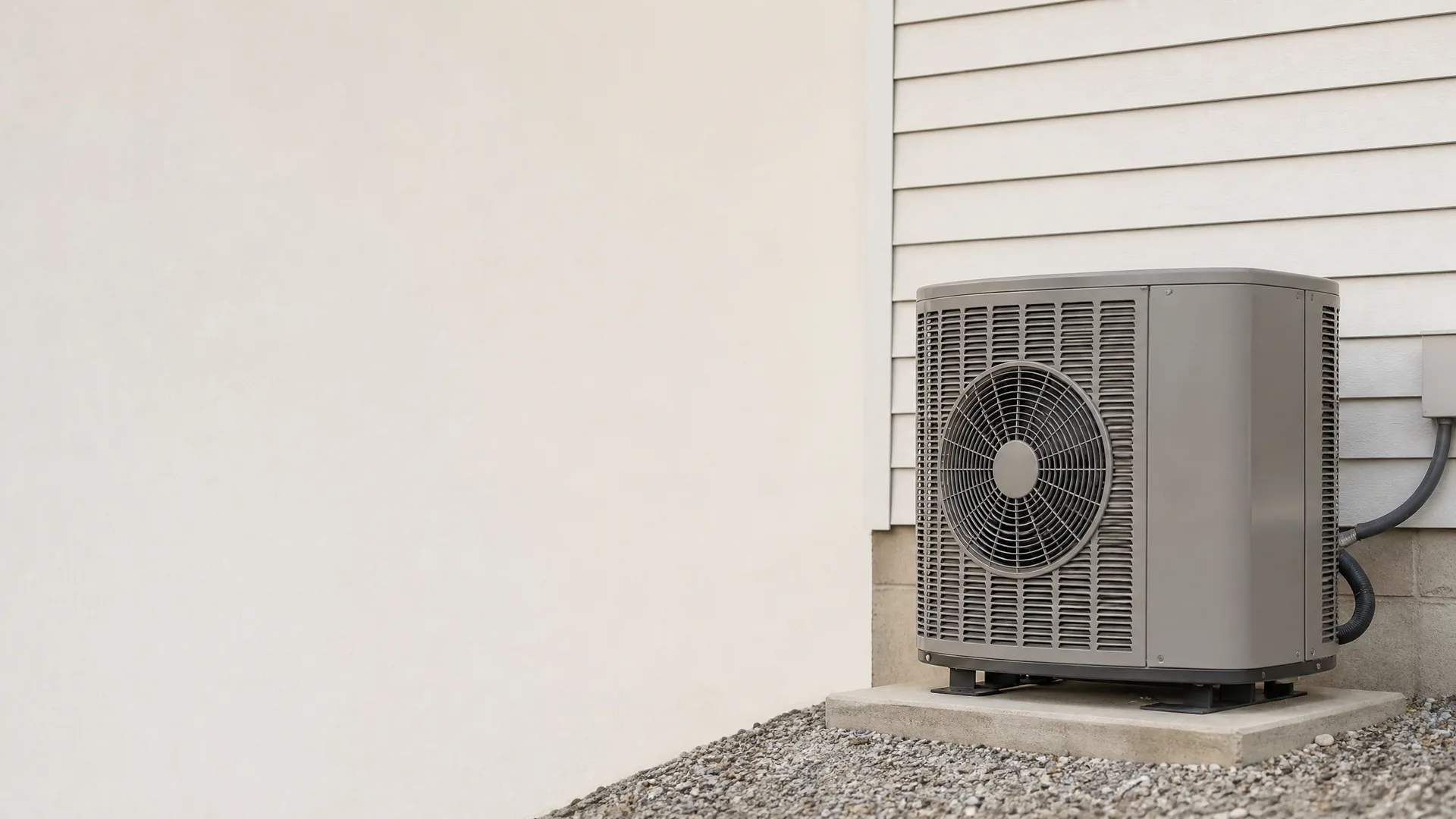
A gray outdoor heat pump unit on a concrete pad over gravel, beside a house with horizontal siding and an adjoining light stucco wall.

Most homes here lean on gas

Most houses in Wyandotte County heat with a gas furnace, and that shapes how a heat pump gets used here. Paired with gas, the heat pump handles the milder stretches of winter and the furnace takes over once temperatures drop low enough that gas is the better choice. That pairing is called dual fuel, and it's built around switching automatically between the two so you're never relying on the heat pump alone through the coldest weeks.

What does a Wyandotte County winter actually ask of your heat pump?

  • Winter nights average 23°F

    Overnight lows average 23°F in December, January and February, cold enough that most heat pumps need backup heat to keep up on the worst nights.

  • Heat runs October through April

    Heat runs about seven months here, October through April, so the system you pick spends most of the year working, not just a few cold weeks.

  • Cooling runs May through September

    Cooling runs May through September, about five months, so the same unit has to handle a long muggy summer as well as a long cold winter.

NOAA nClimDiv 1991-2020

How a heat pump handles cold

  • Below around 25 to 30 degrees, a heat pump's compressor has to run longer to pull the same heat out of the air.
  • Most heat pumps pair with electric resistance backup, often called auxiliary heat, that kicks in when the outdoor coil can't keep up alone.
  • The outdoor unit will frost over in cold, damp weather, so it runs a defrost cycle that briefly reverses the system to melt that ice.
  • During defrost the indoor air can feel cool for a few minutes since the system is pulling heat from inside to clear the outdoor coil.
  • A thermostat set to drop several degrees overnight forces the system into a harder recovery the next morning, often triggering backup heat unnecessarily.
  • The indoor air handler moves the warmed air through the same ductwork and filter your furnace would have used.

A heat pump and a furnace move air through the same ducts, but what happens before that air gets there is different, and that difference matters once temperatures drop into the 20s. The compressor outside is doing the work, pulling heat out of cold air and concentrating it enough to be useful indoors. That gets harder the colder it gets, so the compressor runs longer, not just more often. When it can't keep pace, electric resistance heat, usually called auxiliary or backup heat, switches on to make up the difference. That backup heat draws more power than the heat pump alone, which is why a thermostat is worth paying attention to. Dropping the temperature overnight and expecting the system to recover it fast the next morning is a common way to trigger backup heat that otherwise would not have been needed. There is also the outdoor coil to account for. Cold, damp air causes frost to build on it, and the system clears that frost with a defrost cycle that briefly runs backward, pulling heat from inside the house to melt the ice outside. For a few minutes, the air coming through your vents will feel cooler than usual. That is the system doing what it is supposed to do, not a sign of trouble. Knowing this sequence, compressor strain, backup heat, defrost, is what separates a heat pump that is struggling from one that is just working through a Wyandotte County winter as designed.

A woman with shoulder-length graying brown hair, wearing a beige cardigan over a white top, sits in a light upholstered armchair and looks off to the side, with a curtained window, bookshelf, and lamp shade behind her.
A woman and a child with closed eyes rest together on a gray couch, wrapped in a cream knit blanket, with a lit lamp and houseplant blurred in the background.

Stop chasing a heat pump pro

A heat pump sized right for your house and backed by the right auxiliary setup will keep a Wyandotte County home warm through January, but sizing it right from the start matters more here than in milder places, because a unit that's undersized spends too many hours leaning on backup heat, and one that's oversized short cycles and wears out early. Most homes in this area heat with gas, so a lot of installers size heat pumps for cooling first and treat winter as an afterthought. That's the wrong order here. Getting it matched to your house, your ductwork and how cold it actually gets overnight takes someone who installs these year-round in this county, not just in summer. Sending your information connects you with one local contractor who already knows what sizing and backup setup actually holds up through a Kansas City winter, so you're not the one figuring it out on the coldest night of the year.

A heat pump paired with a gas furnace switches to gas once the outdoor temperature drops low enough that the compressor can't keep up, so you get steady heat without running electric resistance strip heat on the coldest nights.

A heat pump paired with electric backup only runs on resistance heat once it can't keep up, and that stage uses a lot more electricity than the compressor does, so a string of nights in the 20s shows up on the power bill.

A gray-haired man in a dark knit sweater sits on a light gray sofa in a living room, looking toward a sunlit window, with houseplants, a lamp, and framed art in the background.
A bearded man with graying hair in a dark green sweater sits on a sofa in a living room, looking off to the side, with a sliding glass door and a dim kitchen doorway behind him.
A gray-haired man in a dark green sweatshirt sits on a sofa in a living room, looking toward a bright window, with a houseplant, lamp, fireplace and framed art behind him.
A gray-haired man in a dark long-sleeve shirt sits on a gray sofa in a living room, looking toward a sunlit window with sheer curtains.
A light gray outdoor heat pump unit mounted on a concrete pad beside a house with horizontal lap siding, with refrigerant lines and conduit running to a wall-mounted electrical box, gravel and a leafy shrub nearby.

Running clean

A heat pump like this one, set on its pad with clear airflow around the coil, pulls heat the way it's supposed to. The lines and disconnect box are hooked up right, and nothing blocks the unit from breathing. That's what lets it keep up when a Kansas City winter pushes it.


An outdoor air conditioner condenser unit on a concrete pad beside a house with horizontal lap siding, with refrigerant lines entering the wall and a shrub on bare soil to the left.

Choked coil

Dirt and debris packed into the coil like this cuts off the airflow the unit needs to pull heat from the air outside. It has to run longer to do the same job, and on a cold Wyandotte County night it may not keep up at all. A technician can tell you whether that coil needs a cleaning or the unit needs more than that.

Is your heat pump keeping up or quietly struggling?

You'll notice it in small ways first. The air coming out of the vents feels cool rather than warm, even though the system is running. It runs longer than it used to, or it seems to run almost constantly on the colder days. You might hear it switch over to backup heat, a sound like a hum or a click followed by warmer air, and notice your electric bill climb after it does. In some houses the thermostat shows the set temperature but the rooms still feel a few degrees off. None of this means the unit is broken. It usually means the system is working harder than it should for the size of the house, and if that goes on all winter, you pay for it every month it does.

  1. The thermostat calls for heat and the compressor starts.

  2. The outdoor coil pulls heat out of the cold air.

  3. Refrigerant carries that heat inside to the indoor coil.

  4. The blower pushes warmed air through the ducts.

Dual Fuel or Electric Backup

Dual fuel setup

  • A gas furnace does the heating once outdoor temps drop too low for the heat pump's compressor to keep up efficiently.
  • Gas furnaces produce warmer air at the vents, which matters on the coldest nights of a Wyandotte County winter.
  • Most homes here already heat with gas, so the furnace side of this setup fits what's already common in the area.
  • You avoid running electric resistance heat, which costs more to run per hour than either the heat pump or the furnace.
  • This setup needs both a working gas line and ductwork sized to handle a furnace, so it depends on what's already in your home.
  • Two systems means two things that can need service, though only one runs at a time.

Heat pump with electric backup

  • Electric resistance strips heat the air directly when the compressor can't keep up, with no gas line involved anywhere in the system.
  • This setup works in any home with electric service, since it doesn't depend on a gas hookup being available.
  • The heat pump still does most of the work across a typical Wyandotte County winter, with backup only on the coldest nights.
  • Electric resistance heat costs more per hour to run than a gas furnace does, so those cold nights add to the power bill.
  • There's one fewer fuel source to maintain, since the whole system runs on electricity.
  • If the power goes out, the whole system stops, backup included, since there's no separate fuel source to fall back on.
A gray outdoor condenser unit on a concrete pad beside a house with horizontal lap siding, with an electrical disconnect box and insulated refrigerant lines on the wall, gravel in the foreground and a planting bed at left.
A heat pump installed with the coil clear and the lines and disconnect wired up right can keep pulling heat from the air all winter without a struggle.
An outdoor air conditioner condenser unit on a concrete pad beside a house with horizontal lap siding, with refrigerant lines and a gray electrical disconnect box on the wall, surrounded by bare dirt.
A coil packed with dirt and debris can't move heat the way it should, and the compressor behind it works harder for less warmth.
A two-story light-colored house with a gabled roof stands alone in a flat snow-covered field under a pale overcast sky, with a wooden post-and-rail fence and drifted snow in the foreground.

Overnight lows in Wyandotte County average 23°F across December, January and February, according to NOAA climate data. That's cold enough that your heat pump's compressor is working hard most nights, not just on the occasional cold snap. At that temperature the outdoor coil has less heat to pull from the air, so the system runs longer to move the same amount of warmth inside. You'll feel it as vents blowing air that's warm but not hot, and the unit cycling on for longer stretches than it would in October or March. That's normal operation at 23°F, not a sign something's wrong, as long as the house holds its temperature.

NOAA nClimDiv 1991-2020

A heat pump can keep a Wyandotte County home warm all winter, as long as it's sized correctly and has the right backup heat behind it. That part matters more than the brand or the model number. Getting it wrong at installation is what leads to a system that runs constantly and still leaves rooms cold in January. If you're putting one in or replacing what's there, the install is the thing to get right the first time. A licensed local contractor who works on heat pumps through the winter here knows which sizing mistakes show up on the coldest nights and how to set up the backup heat so it actually kicks in when it should. Submitting a request connects you with one contractor, not a handful calling at once, so you can talk through your house and get it done without chasing down quotes yourself.

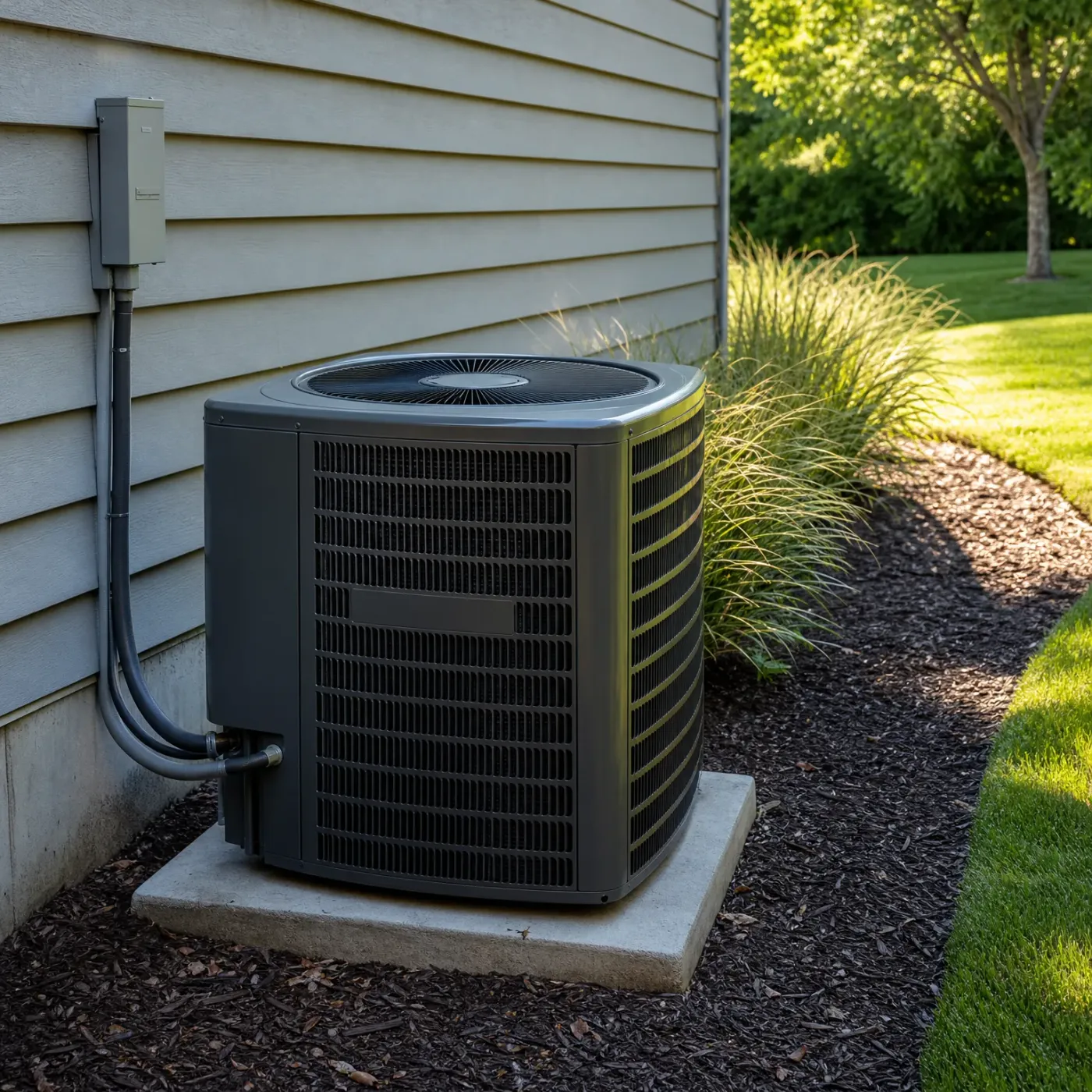
An outdoor air-conditioning condenser unit on a concrete pad beside a house with pale horizontal siding, with a gray electrical disconnect box and conduit on the wall and ornamental grasses and mulch nearby.

Send one request and you're done looking

Find a local pro

A licensed pro who works in Wyandotte County gets your request.

It costs nothing to send, and you don't have to hire anyone.