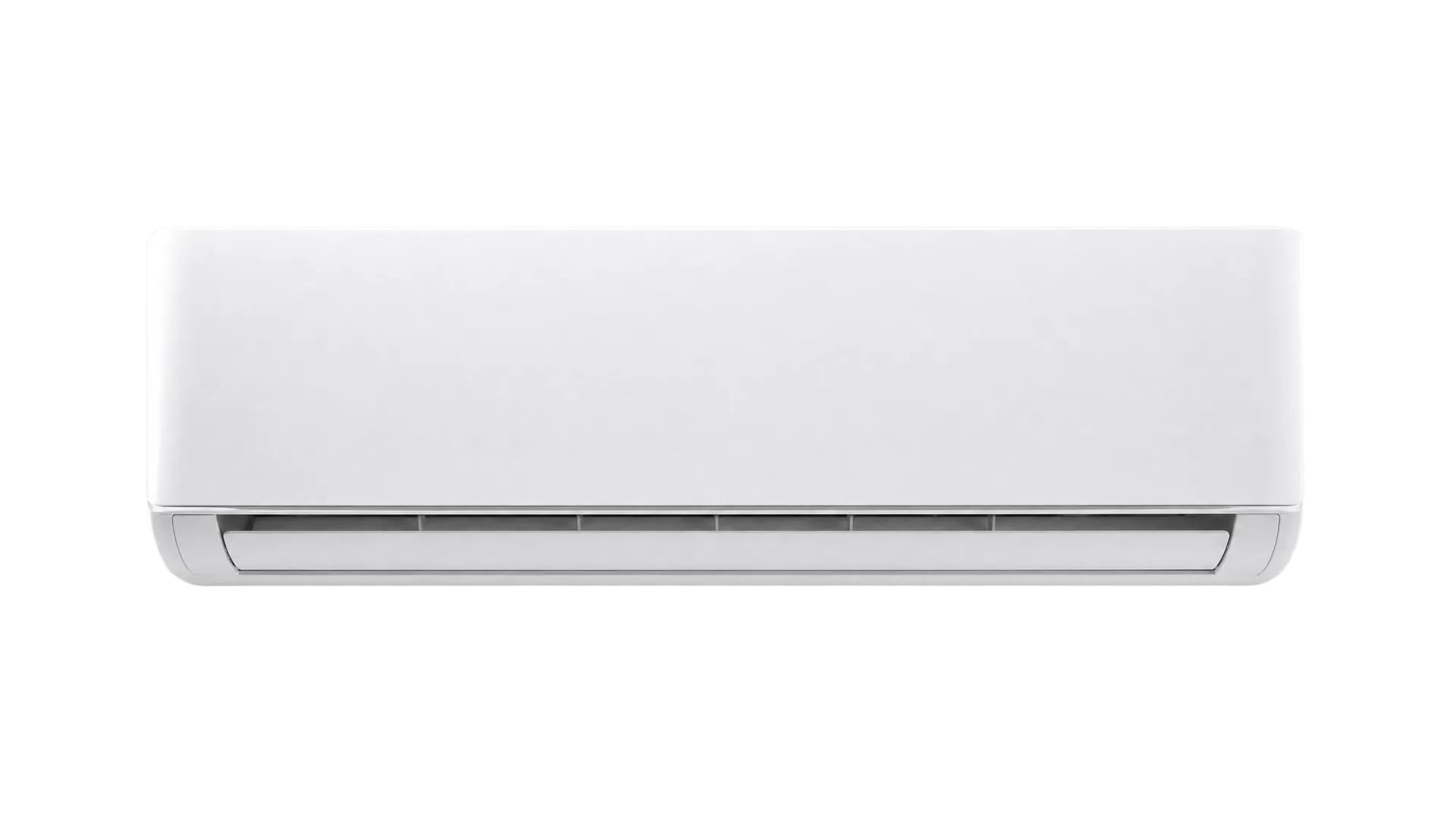

Running clean
This is what a mini split should look like. The vane opens, the airflow is steady, and the unit pulls humidity out of the room without strain. Riley County summers ask a lot of that coil, and a clean one keeps up.
You've got a mini split, or you're pricing one, and you want to know if it actually makes sense for a house in Riley County. Summers get sticky enough that you need real cooling, and winters here get cold enough that a lot of people assume a mini split can't keep up on its own. You're not looking for a sales pitch. You want to know what it does well here and where it falls short, so you can decide if it's the right call for your place.
A mini split earns its keep in Riley County because it cools a room or a zone without running ductwork, and it handles the humid stretch of summer as well as central AC does, sometimes better since it pulls moisture out steadily instead of cycling on and off. Where it gets more complicated is winter. A modern cold-climate mini split can still heat even when temperatures drop well below freezing, but its output and efficiency drop as it gets colder. Most homes here heat with gas, so a mini split usually makes the most sense as a second system for an addition, a garage, or a room that never gets enough air from the main system, rather than a full replacement for your furnace.

NOAA data puts the average summer dew point in Riley County at 64°F. That's the number that matters more than the temperature on the thermostat. Above 60 or so, the air feels heavy no matter what the high is that day, and your mini split has to pull that moisture out before the room actually feels cool. A unit sized right for Manhattan summers will do that steadily, running longer stretches at lower speed instead of blasting cold air and shutting off. If yours is undersized or getting old, you'll notice it: the house feels clammy even when the number on the wall looks fine.
NASA POWER T2MDEW




Cooling runs June through September
Four months of cooling sounds light, but it lines up with the sticky stretch when humidity does most of the work for your mini split.
Heat runs October through April
Seven months of heat means the mini split's compressor is leaning on cold-weather performance more than most buyers expect when they size one.
Power here costs 15.04 cents per kilowatt-hour
At 15.04 cents per kilowatt-hour, a mini split's efficiency over those eleven months is what decides whether the bill reflects that or not.
NOAA nClimDiv 1991-2020 · EIA-861 2025
The indoor unit pulls warm room air across its coil.
Refrigerant inside that coil absorbs the heat and turns to gas.
A line set carries that gas to the outdoor compressor.
The compressor pressurizes the gas, which raises its temperature further.




A licensed installer who works in Riley County gets your project.
One request ends the search for a mini split installer.
There's no charge for the request.
You notice it most in whichever room the indoor unit doesn't reach well. The air near the unit feels fine, maybe even cold, but a few rooms over it's sticky in July or chilly in January. You might hear the outdoor compressor running a lot on the muggiest days without the house ever feeling dry. In winter, you may notice the air coming out feels cooler than it used to right around the point it gets near freezing outside, and the unit runs longer to keep up. If the filter hasn't been cleaned in a while, you'll notice weaker airflow and higher humidity indoors even when the unit is running constantly, which is more wear on the compressor for less comfort in return.

This is what a mini split should look like. The vane opens, the airflow is steady, and the unit pulls humidity out of the room without strain. Riley County summers ask a lot of that coil, and a clean one keeps up.

Dust and grime like this build up on the housing and the coil underneath it. The fan still runs, but the unit can't move air the way it needs to. Cooling drops off and the compressor works harder for less result.
A mini split earns its keep in Riley County if it's sized and installed right, and backed up on the nights it can't carry the cold alone. That's the whole answer. The humidity, the compressor strain, the gap below 5°F, all of it comes down to whether the unit matches the house and whether someone's kept the coil and filter clean. If yours has been doing that and still leaves a room off, or you're pricing a new one and want it done so it doesn't, a local contractor who works on these units all year in this county has likely already seen whatever's going on with yours. Riley County winters and summers aren't unusual to someone who installs and services mini splits here season after season, and a single contractor who knows the equipment means one call, not a stack of them to sort through.

Done looking for a mini split pro