

Running clean
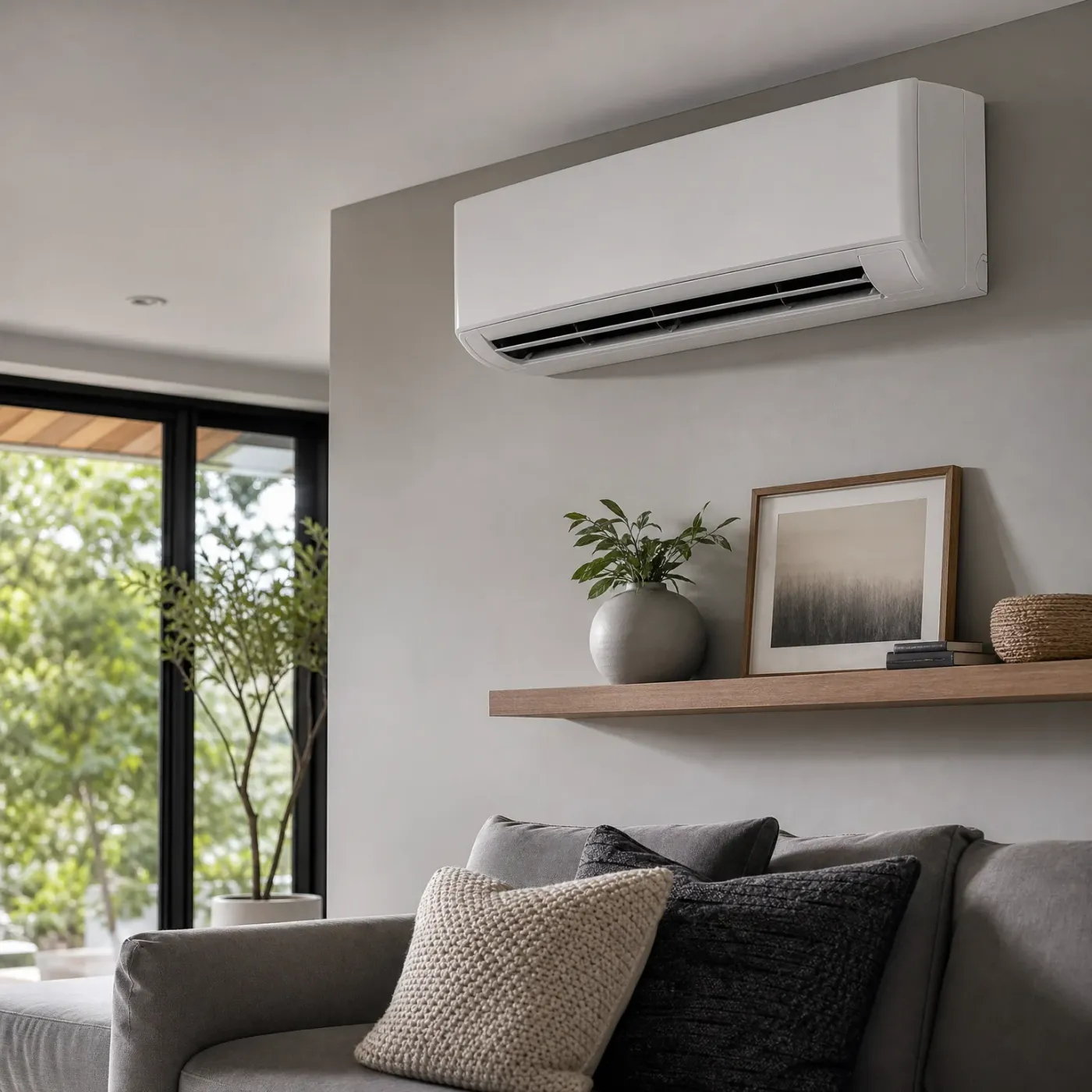
This is what a mini split should look like after years of use. The casing stays white, the vents stay clear, and the air coming off it is just cool, with nothing dripping down the wall below.
A mini split that drips indoors is never normal, and in Kansas summer humidity it is one of the first signs something needs attention before it gets worse.
A mini split pulls moisture out of the air and that water is supposed to leave through a condensate drain line. Algae and dust build up inside that line over time and block it, so the water backs up and spills out of the indoor unit instead of draining outside. The other common cause is insulation on the refrigerant line set that has worn thin or come loose, which lets the cold line sweat once it hits Kansas humidity. Either way the dripping is not going to stop on its own. A clogged drain usually gets worse through the summer as more algae builds up, and exposed line set keeps sweating as long as the air stays muggy.




Look at where it's landing. A damp spot on the wall under the indoor unit, a stain spreading across the ceiling, or water pooling on the floor each afternoon are different problems with the same cause. You might notice the drip only shows up after the unit has run for hours, which points to the drain pan or line filling up slowly as the day gets muggier. Check the wall and floor below the unit for soft spots or peeling paint. Left alone, that moisture sits in the drywall and framing, and in a Kansas summer with the unit running most days, it doesn't get a chance to dry out between drips.

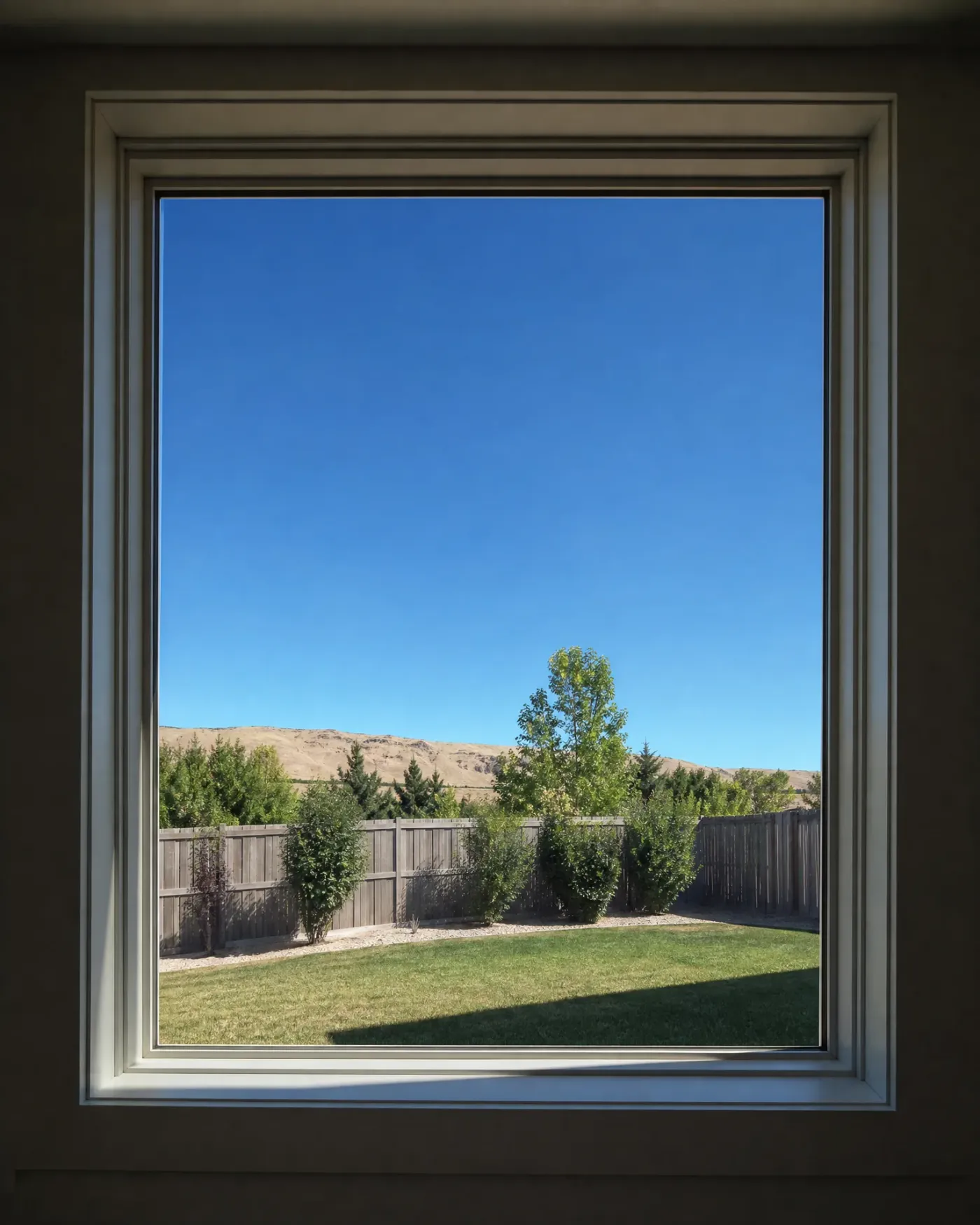
You're at the desk by midafternoon, the window behind you bright with that thick August haze that sits over Kansas all summer. The mini split has been running since morning, keeping the room livable. You look up and see it, a dark streak running down the wall under the indoor unit, already a foot long. You grab the towel from the hall closet and drop it on the floor where the water has started to pool, right where your chair rolls. The unit hums along like nothing is wrong. You stand there for a second, looking at the wall, then go find something to put under it that isn't a bath towel.


The coil inside your mini split pulls moisture out of the air, and that water has to go somewhere. It drops into a pan under the coil, then runs out through a drain line that exits the wall to the outside. That line has no pump pushing it along in most setups, just gravity and a slight downhill slope, so anything that builds up inside it, algae, dust, a bit of debris, can slow the flow or stop it outright over a long Kansas summer of steady running. Once the line is blocked, the pan does the only thing it can: it fills past its edge. From there the water takes the easiest path down, usually inside the wall or across the ceiling below the unit. A dirty filter or coil can cause a different version of the same problem. Airflow drops, the coil gets colder than it should, ice forms on it, and when the unit shuts off that ice melts all at once. Either way, water that should have left the house ends up in the room instead.


After you send the request, you're done searching.
Describe your mini split job, and a local pro who handles it gets in touch.
No fee to send it, and nothing to sign.

Water finding its way past the unit does not stay put. It runs along the top of the drywall, soaks into the paint, and finds the seam where wall meets ceiling. Keep running the mini split through a sticky Kansas July and that same path gets worked every afternoon. The stain spreads before the wall ever feels soft, and by the time it feels soft, the drywall behind it has been wet for a while.
A mini split that cannot drain properly will often clog again, or shut itself down to protect the coil, right on the days you need it most. You don't need to figure out which part is behind it. Send in what you're seeing and a contractor who works on mini splits in your area will reach out to go over it with you. That's one less thing to track down yourself while the drip is still just a drip.

Humid air passes over the cold indoor coil and condenses into water.
Water collects in the drain pan beneath the coil.
The condensate line carries that water out to the outside.
Algae, dust, or a kink block the line and water backs up.
Running the mini split hard through a sticky Kansas summer isn't the expensive part. At 14.44 cents per kilowatt-hour, the unit itself costs little to keep going. The real cost shows up on your wall and ceiling if that clogged drain line keeps backing up behind it.
EIA-861 2025 statewide residential average

This is what a mini split should look like after years of use. The casing stays white, the vents stay clear, and the air coming off it is just cool, with nothing dripping down the wall below.

Grime along the vents and a yellowed casing mean air has been forcing its way past buildup for a while. That same buildup is often what backs up the drain line and sends water somewhere it shouldn't go.

A mini split's coil has to pull a lot of water out of the air before that room ever feels comfortable. Averaged across a Kansas summer, the dew point runs 64°F, which is the heavier end of muggy. Air that thick means the coil is condensing water most of the day it runs, not just in short bursts, so the drain line is carrying a steady load from morning to evening. A line that's narrowed with algae or dust might keep up with a light trickle but fall behind once the air gets this heavy, and that's when the pan overflows instead of draining clean. Source: NOAA climate normals.
NASA POWER T2MDEW county cells weighted by homes


A contractor looks at the drain line and the pan before the stain spreads any further across your wall or ceiling.
The drip keeps finding the same path along the drywall, and the fix doesn't get any smaller by putting it off.
A mini split dripping indoors during a Kansas summer comes down to one thing: water that should be running outside through the condensate line is backing up inside instead, usually because that line is clogged or the pan beneath the coil has nowhere else to send it. The stain on your wall or ceiling will not stop spreading on its own, and the longer the unit runs against that blockage, the more it finds its way into the drywall. You already know this is the kind of thing to deal with now rather than later. Once you send the request, you are done tracking down who can look at it. A contractor who handles this gets matched to your situation, and reaching out from there is on them, not you. The drip stops being something you have to manage or worry about getting worse by the week. You just wait to hear back, and the wall and ceiling stop taking on more water than they already have.

You're not committing to anything by asking.
The longer that drain line stays clogged, the more of your wall and ceiling it ruins. Sending the request now means someone looks at it before the stain spreads any further, and you're done chasing it yourself.