A dirty filter cuts airflow fast
A filter clogged with dust makes the blower push less air past the coil, so the air at your vents feels warmer even though the system is running.
Get the right pro for your air conditioner
Warm air from your vents usually means one thing: the system is running but not actually cooling. Could be the compressor outside, a refrigerant leak, a clogged filter choking airflow, or a thermostat telling it the wrong thing. This page walks through what causes it and what to check before you call someone. If it's time for a closer look, you can get matched with a licensed Kansas contractor who handles this kind of repair regularly.
Get matchedWarm air from the vents almost always means the outdoor unit isn't running right, even though the indoor blower still is. The fan pushes air, so you feel something at the vent, but if the compressor outside has stopped, isn't getting enough refrigerant, or the filter is so clogged the coil has frozen over, that air never gets cooled. In Kansas summers, with the heat and humidity pushing the system hard day after day, a unit that's low on refrigerant or straining with a dirty filter can go from barely keeping up to blowing warm within a day or two. A frozen coil is common when this happens, and running the system while it's frozen can damage the compressor, which is the most expensive part to replace. If you've checked the filter and the air is still warm, the problem is likely with the refrigerant charge or the compressor itself, and that calls for someone who can check the charge and test the compressor directly.


Your air conditioner is really two machines working together. The blower inside pushes air through your ducts, and the compressor outside does the actual cooling by moving refrigerant through the coils. Those two motors run separately, which is why you can stand at a vent and feel air moving even though nothing cold is coming through it. Something stopped the outdoor half of the job.
A few things can cause that. The compressor itself can fail, or lose power from a tripped breaker or a bad capacitor. The coil outside can get so caked with dirt that the unit can't shed heat, and some units will shut the compressor down on purpose rather than let it overheat. A refrigerant leak means less heat gets carried out of your house with each cycle, even while everything sounds like it's running normal. Inside, a clogged filter can choke the airflow enough that the indoor coil ices over, and ice coming off a coil does the opposite of cooling. Check your thermostat too. If it's set to "on" instead of "auto," the blower runs constantly, cooling or not.


A filter clogged with dust makes the blower push less air past the coil, so the air at your vents feels warmer even though the system is running.
A low charge almost always points to a leak somewhere in the lines. A contractor local to Kansas can find it and check the fix against your unit.
You put your hand up to the vent and feel air moving, just not cool air. The thermostat might say 72 but the house keeps climbing past it. Some rooms feel worse than others, especially upstairs or the ones farthest from the unit. Outside, the condenser might be running loud, running constant, or not kicking on at all when you'd expect it to. If this keeps going through a Kansas summer, the compressor is working without actually cooling, and that kind of strain is what shortens its life. The longer warm air blows, the more the system cycles trying to catch up, and the higher your power bill climbs for a house that still isn't comfortable.

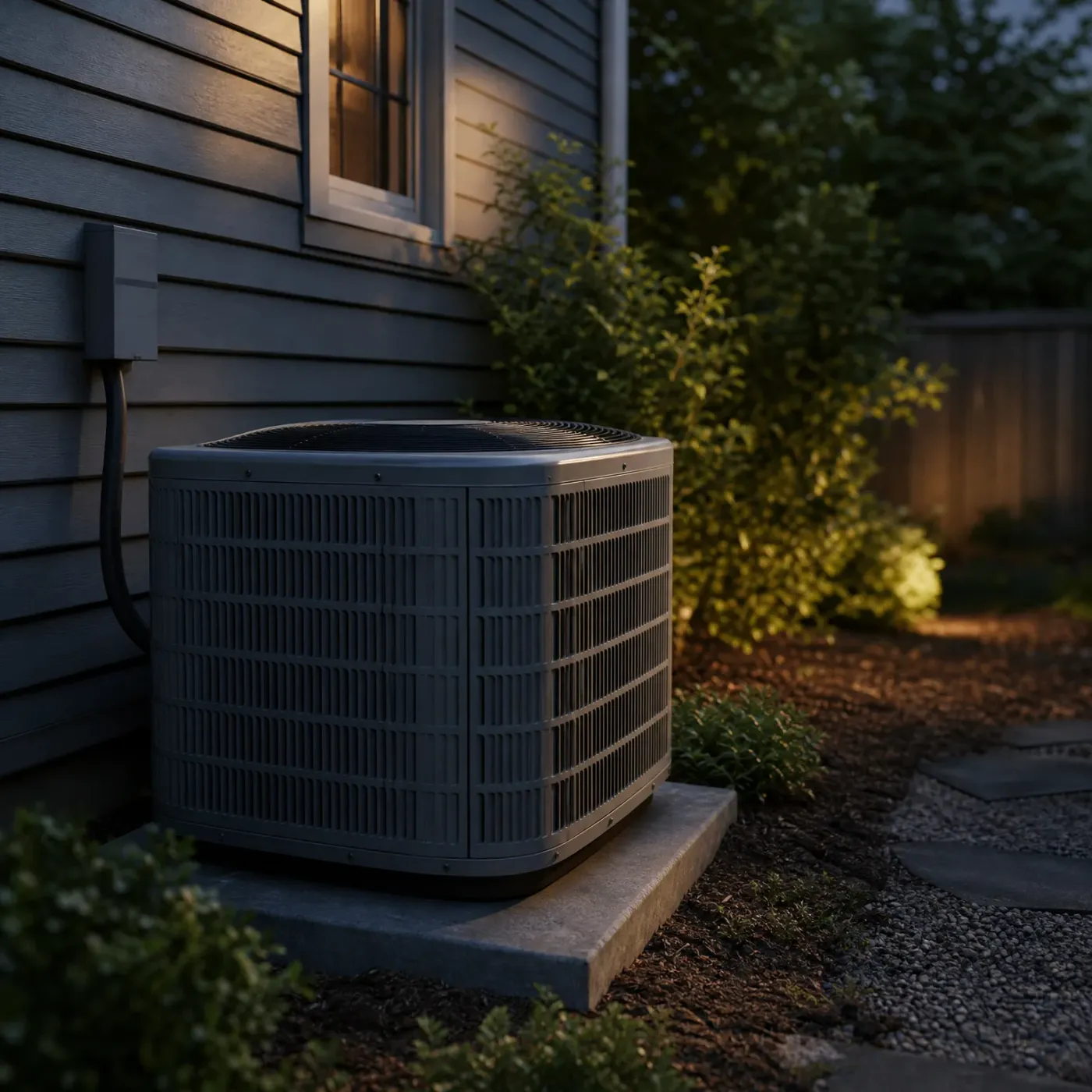
This condenser has room to breathe. The space around it stays clear, the pad underneath is level, and the lines running to the house are intact. Air moves through it freely, so the heat your house is shedding actually gets carried off outside.

Leaves and dirt have piled up against the base, and the coil behind them is likely caked too. The refrigerant lines along the wall are where a leak usually shows up first, as an oily residue or frost. A unit in this shape runs without doing much cooling.




The pro who reaches out is licensed in Kansas.
There's no charge for the request.
The thermostat calls for cooling and switches on the indoor blower.
The blower pulls warm house air across the evaporator coil.
Refrigerant inside that coil should absorb the heat and cool the air.
The compressor outside pressurizes that refrigerant and sends it to the condenser coil.
At 14.44 cents per kilowatt-hour, every hour your compressor runs hard without actually cooling adds up on the bill. A failing capacitor or a low refrigerant charge can make the system work the same or harder while your house stays warm, so you're paying for effort, not comfort.
EIA-861 2025 statewide residential average
Most warm-air calls in Kansas come down to a handful of parts, and a contractor checks them in roughly the same order every time. The contactor is the switch that tells the compressor to turn on. It's a cheap part, but the contacts inside it pit and burn over years of use, and once that happens no signal gets through no matter what the thermostat says. Next to it sits the run capacitor, which gives the compressor motor the push it needs to actually start spinning. A capacitor on its way out can leave you with a compressor that hums but never kicks on, which from inside the house looks exactly like warm air at the vents. Outside that electrical side, the copper line set running between the indoor coil and the outdoor unit is where refrigerant travels, and it's also where a lot of leaks start, usually at a spot where the line has rubbed against something for long enough to wear through. A couple of parts get blamed that shouldn't. The reversing valve only exists on heat pumps, so a standard AC doesn't have one to go bad. And the condensate drain doesn't touch cooling at all, but if it backs up, the float switch wired to it will shut the whole system down as a safety measure, which can look like a cooling problem when it's really a drainage one. Thermostat wiring is worth a look too, since it runs on low voltage and a wire that's worked loose at the wall plate can leave the outdoor unit sitting idle while the blower runs on.


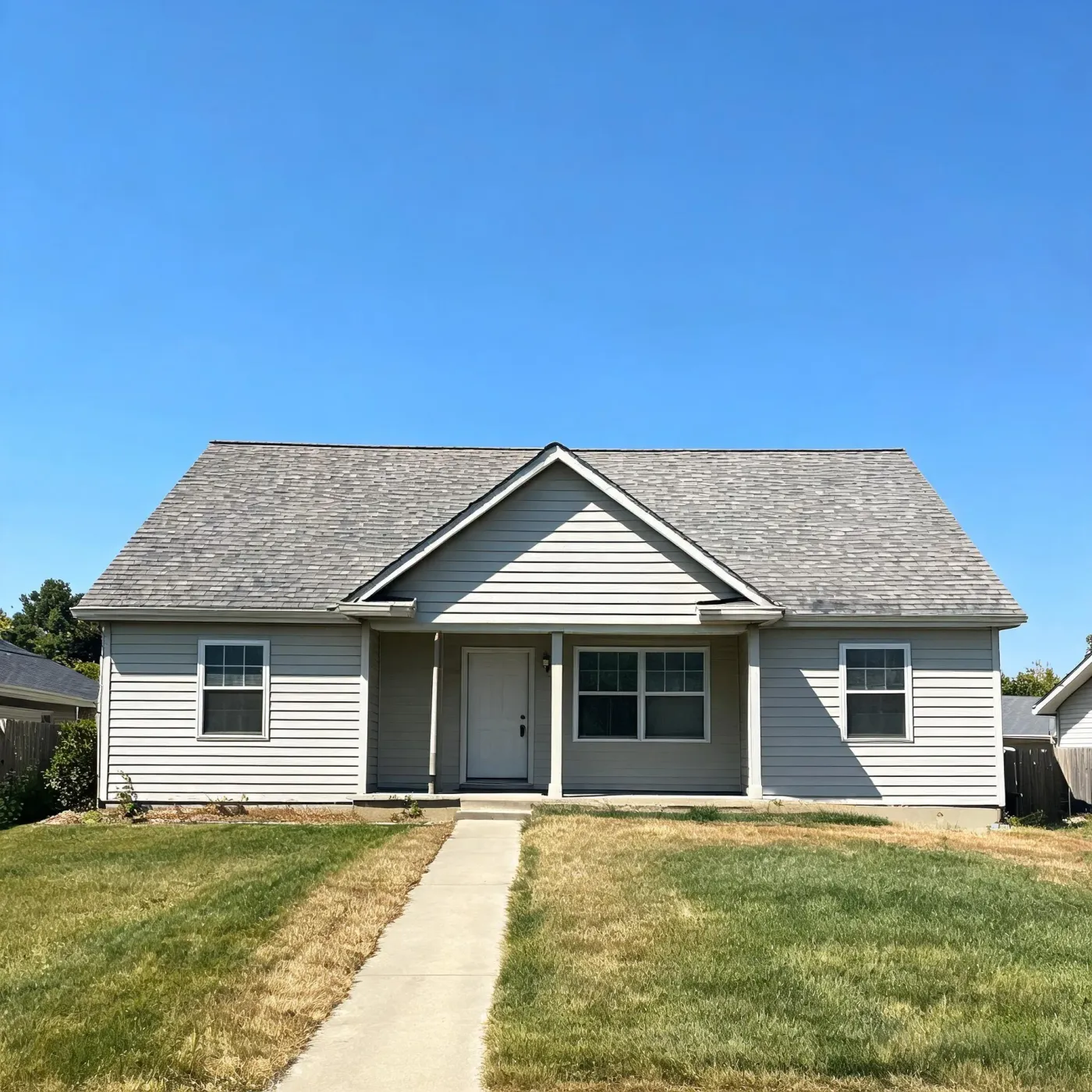
Kansas summers don't just run hot, they run heavy. Averaged across the homes here, the dew point sits at 64°F through June, July and August, according to NOAA climate data. That's thick air, the kind where your shirt sticks to your back on the porch. Your air conditioner has to wring that moisture out before it can cool anything, which means the system works harder on an ordinary July day than a dry-climate AC ever has to. If the compressor is already weak or the refrigerant charge is low, that extra load is what pushes warm air out the vents instead of cold.
NASA POWER T2MDEW county cells weighted by homes

Warm air at the vents comes down to the compressor outside, the refrigerant charge, or a part too small to see from across the yard, like a capacitor or contactor. The blower will keep running regardless, so the only way to know which one it is in your house is to get eyes on the condenser. Left alone, the compressor keeps working against the problem, and that doesn't fix itself.
A contractor matched to your request is local to Kansas and licensed, someone who works on condensers through the worst of the summer and knows which part tends to go first. You'll hear from that one contractor directly, not a handful of companies competing for your callback. They'll ask what you've noticed, when it started, whether one room runs warmer than the rest, and go from there.


The right pro for this job