 I'm done searching
How long heat pumps last in Kansas
Once you send the form, finding a pro is off your list.
A heat pump in Kansas earns its keep twice over. It keeps the house cool when the summer gets sticky, and it keeps the house warm the rest of the year, working alongside or instead of the gas furnace a lot of homes here already have. That double duty is exactly why the question of how long one lasts matters so much. It runs more months out of the year than an air conditioner alone would.
Most homes here heat with gas, so a heat pump isn't always carrying the whole load, but it's still cycling on through humid summer afternoons and cold winter mornings both. Wear catches up with a system like that eventually. Compressors wear down. Coils get restricted. Parts stop being worth replacing one at a time.
When a heat pump is nearing the end of its life, or already past it, the question stops being about maintenance and starts being about whether to put money into a new one. That decision goes easier with someone who installs these systems in Kansas regularly, who knows what tends to fail first in a system that's been running cooling and heating duty for years in this climate, and who can look at your actual unit instead of a general description of one.
Send the request and that search becomes someone else's job instead of yours. It goes to one contractor, local and licensed, who installs heat pumps for a living and knows the equipment that holds up here and the equipment that doesn't. Not a handful of companies competing for your attention, just the one suited to the work. From there, it's off your plate.
How long does a heat pump last in Kansas?
You've had the same heat pump running your cooling and maybe sharing the load with your furnace for a while now, and you're starting to wonder how much life is left in it. Maybe it's making a new noise, maybe the summer bills crept up, or maybe you just want to know what to plan for. Either way, you want a real number, not a guess.
A heat pump lasts 10 to 15 years
That range holds for most homes, and where you land in it depends on how hard the unit works. In Kansas, a heat pump runs for cooling all summer and often handles part or all of the heating load too, so it logs more hours a year than a system that only does one job. That extra runtime wears on the compressor sooner than it would in a place with a shorter summer. If yours came with the house, it's worth finding out its age, since a unit past 12 or 13 years is getting close to the point where repairs start costing more than they're worth.
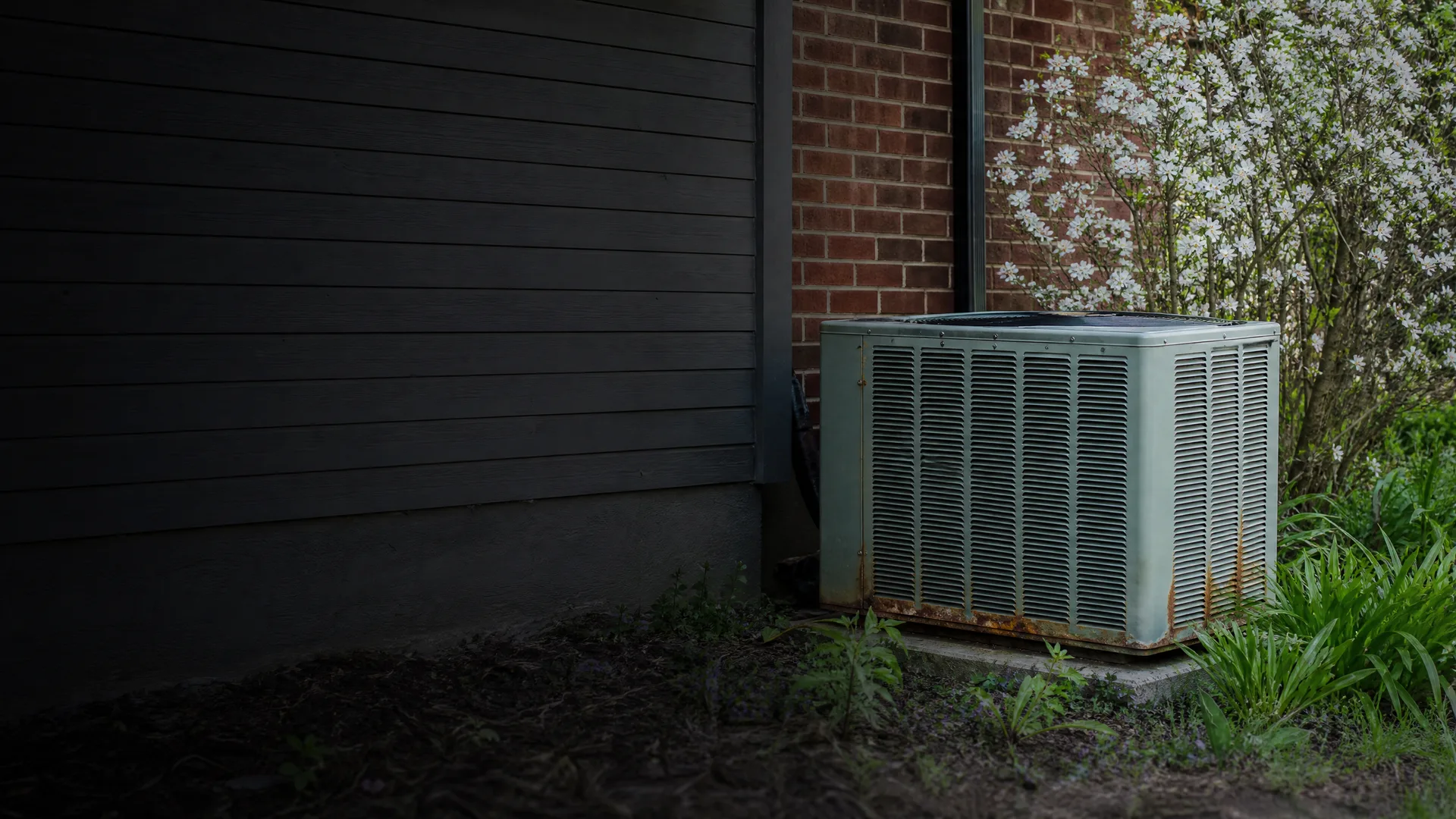
You're out in the side yard in April, coiling up the garden hose, and you catch sight of the heat pump sitting against the house. Rust has worked its way along the base of the cabinet, more than you remember. It's been running since before you can clearly recall, cooling the house through the sticky months and helping the furnace out the rest of the year. You crouch down and give the casing a light knock, like that tells you anything. It doesn't rattle, it doesn't hum wrong, it just sits there looking older than it did last spring. You straighten up, brush off your knees, and figure it's worth finding out where it stands before summer asks more of it.
One request and it's handed off

One installer gets your project, so there's no bidding war over it.
It costs nothing to send, and you don't have to hire anyone.

Why summer runtime matters more
A heat pump in Kansas works its outdoor unit hard from April through October, cooling the house through every sticky stretch of summer, then switches over to heating when temperatures drop. That split duty puts more total run hours on the compressor than a system living somewhere with a short, mild summer. More hours moving refrigerant means more wear on the parts that make the switch happen, which is usually where an aging unit starts to struggle first.

The reversing valve is the tell
The part that lets a heat pump heat and cool is the reversing valve, and it's a part a standard air conditioner doesn't have at all. It switches the direction of refrigerant flow every time the system changes from cooling to heating and back. Years of switching wear it down, and when it starts sticking, you'll notice the system blowing cool air when it should be heating, or struggling to defrost itself on a cold morning.
Repair It or Replace It
Keep it running
- If it's still keeping up with July and August and the repairs so far have been small, there's no reason to replace it early.
- A heat pump that's holding its charge and cycling normally can often be nursed through another summer or two with the right repair.
- Repairs now cost less upfront than a full install, which matters if the unit is only a few years from the end anyway.
- If your furnace is doing most of the winter heating, the heat pump isn't carrying the full load and may wear slower than you'd expect.
- A single repair, like a new capacitor or contactor, doesn't tell you the whole unit is failing.
Replace it
- If the outdoor unit is rusted through at the base or the coil is visibly corroded, that's the cabinet and the refrigerant path failing, not just a part.
- Repeated repairs in the same season, especially through a Kansas summer, usually mean the unit is working harder to do less.
- A newer heat pump installed to handle both the summer cooling load and winter heating alongside your furnace runs more predictably than one patched together.
- If the unit struggles to keep the house cool on the hottest days, that's a capacity problem a repair won't fix.
- Once a repair costs a large share of what a new system would run, most homeowners find the install is the better use of that money.




Power costs 14.44 cents per kilowatt-hour statewide
At just over 14 cents a kilowatt-hour, every degree your heat pump has to work for shows up on the bill. One running on a weak capacitor or low charge pulls more power to do the same job, so that cost rises before the unit ever quits outright.
EIA-861 2025 statewide residential average
A heat pump that's past 12 or 15 years and still running fine today can go out within a week if the compressor seizes or the board fails during a July heat wave. Age doesn't send a warning first.
A heat pump replaced on your schedule, before that failure, means picking the install date and the equipment instead of taking whatever's available the day your old one quits in the middle of a hot stretch.



A dew point averaging 64°F across June, July and August, measured from where homes sit across Kansas, is the kind of sticky that makes the air feel heavy even when the temperature itself isn't that high. Your heat pump has to pull more moisture out of the air to get the house feeling dry and comfortable, not just cooler. That's extra work on top of the temperature drop, and it's why the unit can run long stretches on humid days even after the house has hit the thermostat setting. You'll notice it most on the stickiest afternoons, when the air inside still feels damp despite the cool.
NASA POWER T2MDEW county cells weighted by homes





Refrigerant in the outdoor coil absorbs heat from the air outside
The compressor squeezes that refrigerant until its temperature rises higher
Hot refrigerant moves inside and releases heat through the indoor coil
A reversing valve flips that path to cool the house instead
A heat pump in Kansas runs somewhere around 12 to 15 years, less if it's been skipping maintenance or running on a weak charge, more if it's been looked after. That's the answer. What you do with it depends on what your unit is actually telling you right now, not the number on a chart. If yours is holding its charge and keeping the house even, there's no reason to touch it. If it's old, rusting, or working harder than it used to, waiting on it through another summer is a bet against a July heat wave. When you're ready to replace it instead of gambling on it, the contractor who takes the job is local and licensed, someone who works on heat pumps in this climate all year and knows what tends to fail first in units that have been running here as long as yours has. You'll hear from that one contractor, not a handful of competing bids landing in your inbox at once. The decision is yours. The unit either still has good years in it, or it doesn't, and by now you probably know which.

Done looking for a heat pump pro
Only one pro gets your request, so you hear from one company.