


Normal drainage
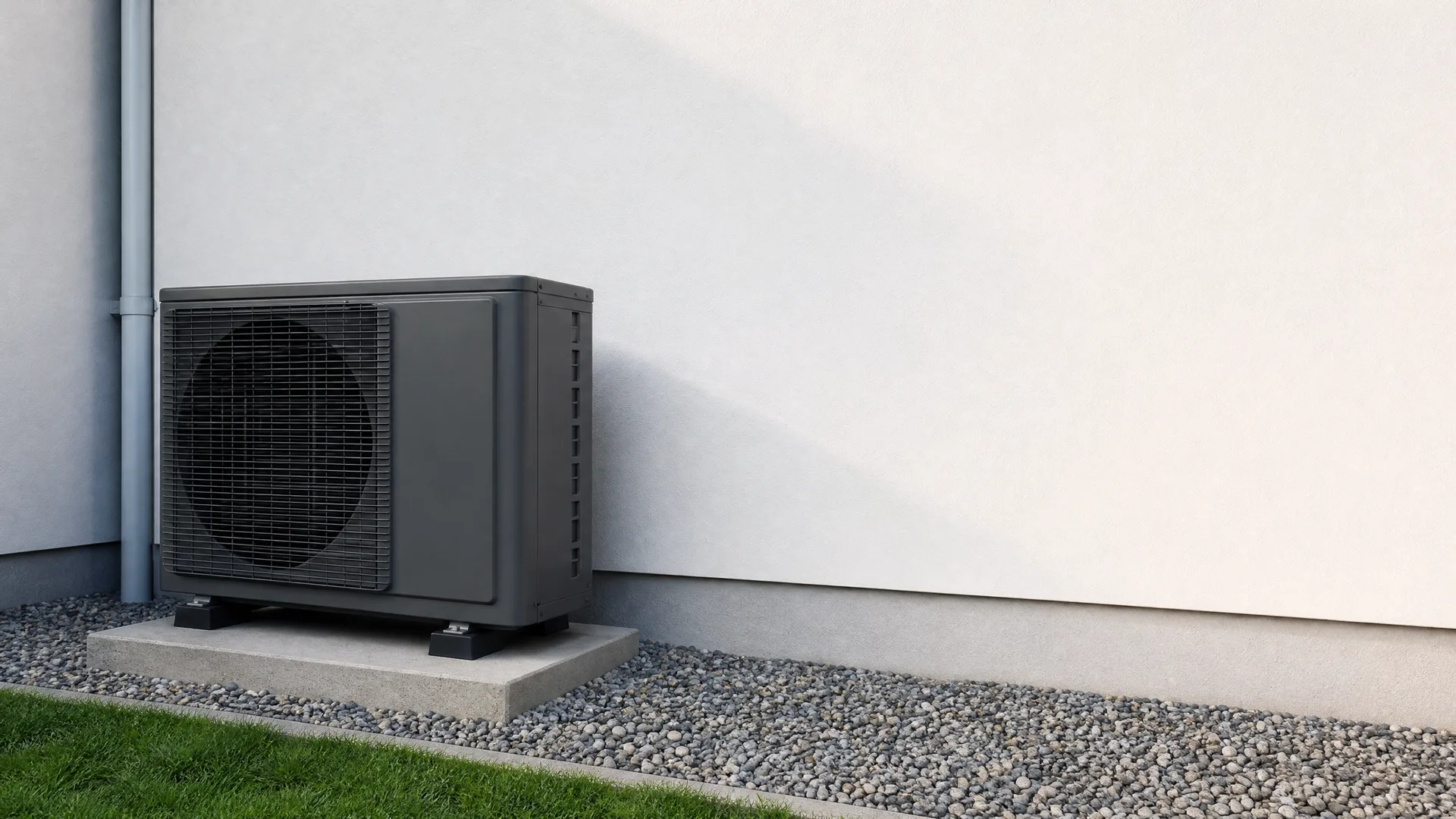
A little water at the pad after a defrost cycle or a muggy afternoon is normal. It should run out through the drain line and soak into the mulch or grass nearby, not sit in a puddle under the unit or run back toward your foundation.
Once you send the form, finding a pro is off your list.
I'm done searchingWater dripping from your heat pump usually means it's defrosting. In winter, the outdoor unit frosts over, and the system runs a defrost cycle to melt that off. The water that runs off has to drain somewhere, and if that drain line is clogged or the pan underneath is cracked or rusted, it ends up on your floor instead. Cold Johnson County winters mean your heat pump cycles through defrost often, so a drain that's slow to clear gets more chances to back up. It can also mean low refrigerant, which causes the coil to ice over more than it should and makes for more meltwater than the drain was built to handle. Either way, the leak itself won't damage the heat pump right away, but it will damage your floor or the wall nearby the longer it sits, and a refrigerant problem left alone will wear on the system until it stops heating altogether.
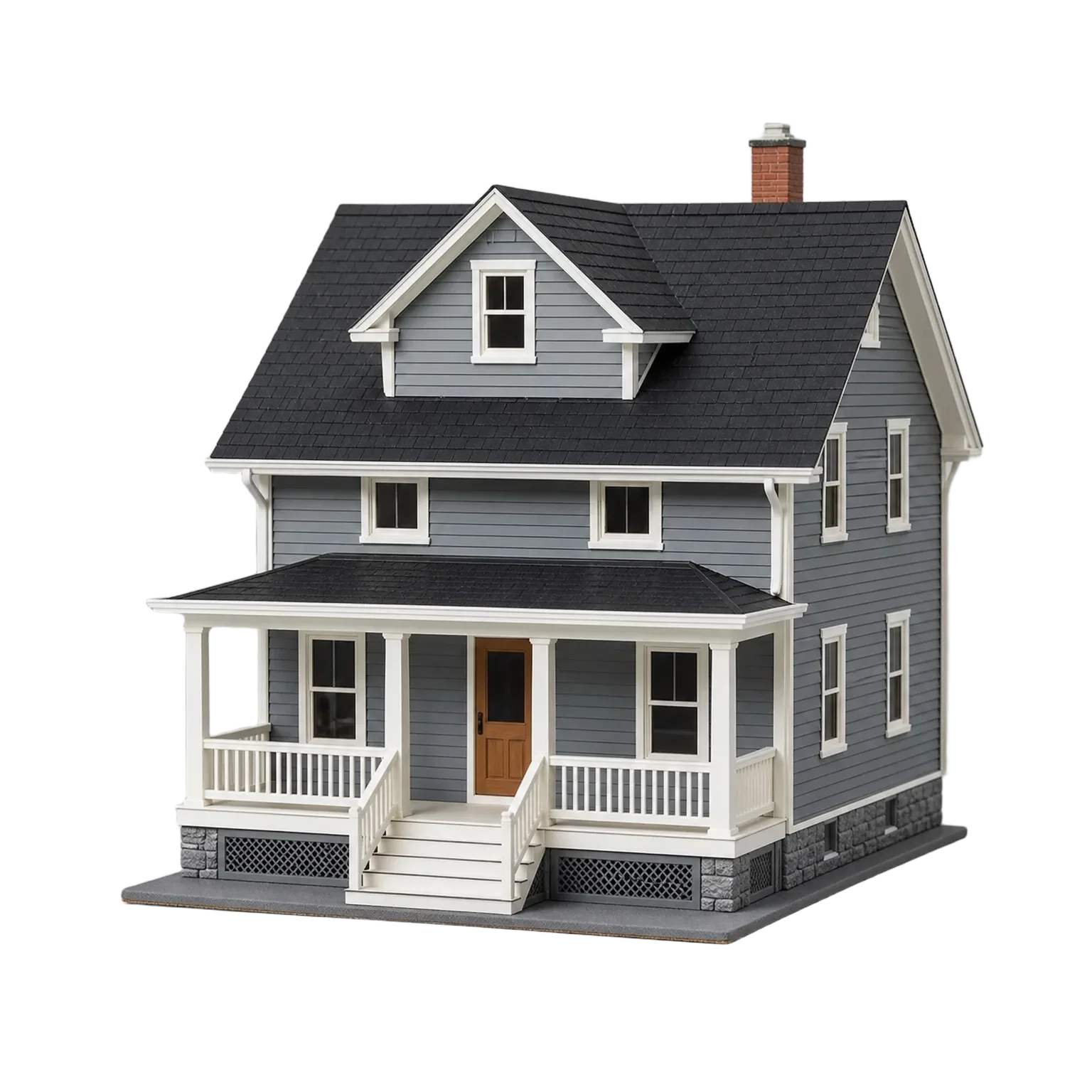
The indoor unit pulls moisture out of the air every time it runs in cooling mode, the same way a window AC does. That water drips into a condensate pan and drains outside through a PVC line. In summer, that line can grow algae or get a clog of dirt and lint. Once it backs up, the pan overflows and water shows up inside near the indoor coil or in the attic or closet where that unit sits.
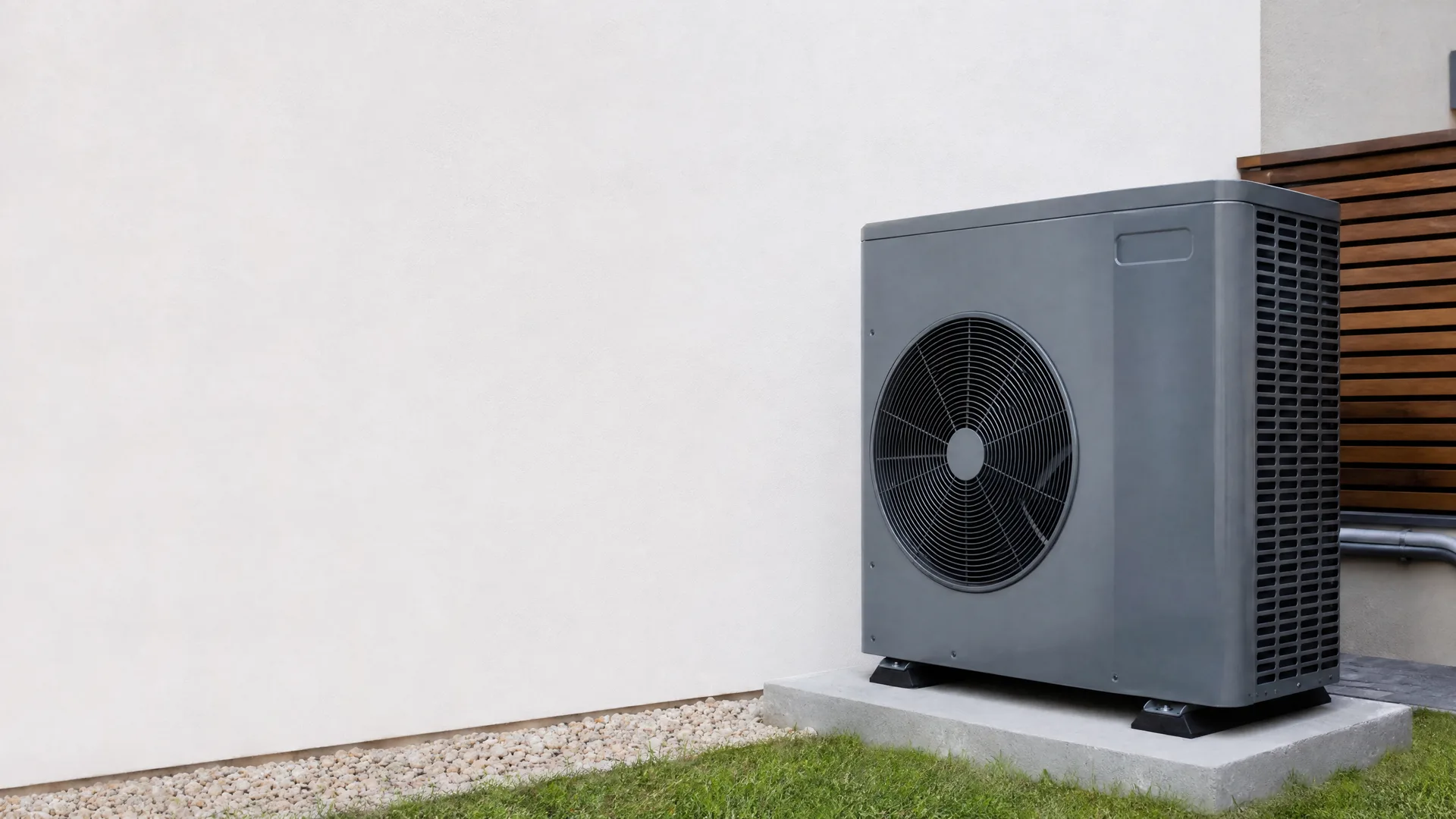
When the outdoor coil ices up, whether from a dirty filter, low airflow, or a refrigerant charge that's too low, the system has to shut off and let that ice melt before it can run again. That meltwater is often more than the pan and drain are built to handle at once, so it runs over the edge. If the puddle shows up after the unit has been icing over, that's the cause, not a bad drain line.
Winter nights average 23°F
Heat runs October through April here, and every one of those cycles can frost the outdoor coil and send water down the defrost drain.
Heat runs October through April
Cooling runs May through September, so the indoor coil is pulling moisture out of the air and into that condensate line most of the year too.
Cooling runs May through September
Winter nights average 23°F in Johnson County, cold enough that the outdoor unit frosts often and defrosts often, which means more water to drain each time.
NOAA nClimDiv 1991-2020
Both coils drain into their own pan, and a tech tracing a leak checks both before touching anything else. The indoor pan sits under the coil in the air handler, usually in a closet or the attic, and it catches whatever the system pulls out of the air in summer. The outdoor pan sits at the base of the unit outside and catches defrost water all winter. Each one drains through its own line, and each line can clog the same way: algae, dust, and condensate sludge build up inside the PVC until water backs up and finds another way out. That's the most common cause by far. After that, the pan itself is a suspect. Metal pans rust through after years of sitting wet, and plastic ones can crack at the seams, so water drops straight down instead of running out through the drain. If the outdoor coil ices over, which happens during a hard defrost cycle, it can thaw faster than the drain line can carry the water away, and the pan overflows even though nothing's broken. Some systems move condensate with a small pump instead of gravity, and if that pump fails, water just sits in the pan until it spills. And if the unit was never set level when it was installed, water collects on the low side of the pan and runs over that edge long before the pan is actually full.




Explain the heat pump problem once instead of to every shop in Johnson County.
You're not committing to anything by asking.
A little water at the pad after a defrost cycle or a muggy afternoon is normal. It should run out through the drain line and soak into the mulch or grass nearby, not sit in a puddle under the unit or run back toward your foundation.

Water pooling under the unit, staining down the siding, or dripping steadily even when the system just defrosted points to a clogged drain line or a cracked pan. Dirt and age on a unit like this make a clog more likely, and left alone it backs up and overflows indoors.
The coil pulls heat from the air and ices up with condensation.
The system reverses briefly to run a defrost cycle.
Melting frost drips into the condensate pan below the coil.
Water runs out through the drain line to the outside.

Most of the time, water around your heat pump comes down to a clogged drain line or a cracked pan, and either one is something a contractor can find fast once they're looking at the unit. What matters now is whether it's a little water after a defrost cycle, which is normal, or water that's backing up into the house or pooling against the foundation, which isn't.
If it's the second kind, you don't have to start calling around, checking who's licensed, explaining the leak to three different people, and comparing quotes before anyone shows up. Send the form and that part is handled. You'll know where the water is coming from and what it takes to stop it for good.



Hand off the search today
Skip calling shops to ask who repairs heat pumps in Johnson County.